
World Blood Donor Day: Blood Supply Challenges Persist in 8 Indian States
Despite collecting 1.46 crore units of blood in 2024-25, challenges remain in ensuring timely availability of the right blood type in certain regions. A study highlights 'blood deserts' in 8 Indian states where access to blood banks is limited.


India collected approximately 1.46 crore units of blood during the year 2024-25, meeting the national requirement. However, health experts have raised concerns about the distribution of blood, particularly in regions where timely access to the correct blood type remains a challenge. These areas are referred to as 'blood deserts' due to their lack of adequate blood supply infrastructure.
A study published in BMJ Global Health analyzed Empowered Action Group (EAG) states, including Bihar, Chhattisgarh, Jharkhand, Madhya Pradesh, Odisha, Rajasthan, Uttarakhand, and Uttar Pradesh. The findings revealed that a significant portion of the population in these states faces difficulties in accessing blood banks within an hour's travel time. This highlights the disparity in blood supply availability despite sufficient overall collection.
Health experts emphasize the need for improved infrastructure and distribution mechanisms to address these gaps and ensure equitable access to blood across all regions.
Key Points
- India collected 1.46 crore units of blood in 2024-25, meeting national requirements.
- Distribution challenges persist, with certain regions lacking timely access to blood.
- 'Blood deserts' identified in 8 states: Bihar, Chhattisgarh, Jharkhand, Madhya Pradesh, Odisha, Rajasthan, Uttarakhand, and Uttar Pradesh.
- Study published in BMJ Global Health highlights limited access to blood banks in these areas.
Frequently asked questions
How much blood did India collect in 2024-25?
India collected approximately 1.46 crore units of blood during 2024-25, which met the national requirement.
What are 'blood deserts' and which states are affected?
Blood deserts are regions lacking adequate blood supply infrastructure. Eight states have been identified as blood deserts: Bihar, Chhattisgarh, Jharkhand, Madhya Pradesh, Odisha, Rajasthan, Uttarakhand, and Uttar Pradesh.
What is the main blood supply challenge in affected states?
A significant portion of the population in these states faces difficulties accessing blood banks within an hour's travel time, and timely access to the correct blood type remains a challenge despite adequate overall collection.
Which study identified these blood supply challenges?
A study published in BMJ Global Health analyzed Empowered Action Group (EAG) states and revealed limited access to blood banks and distribution challenges in these regions.
You may also like
 Bihar
Bihar
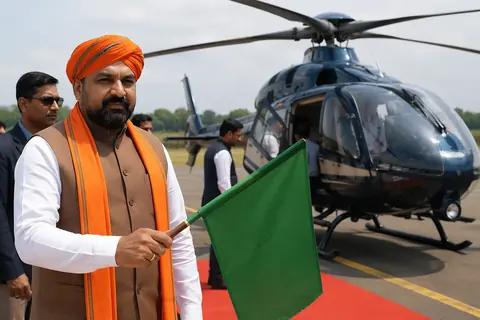
Bihar CM launches Heli-Tourism scheme to enhance state tourism
 Accident
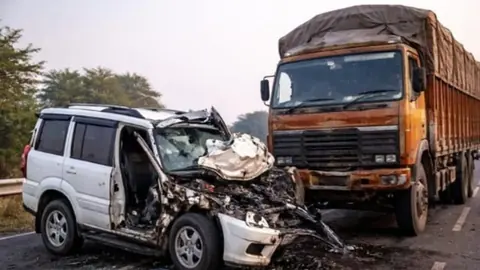
Police Driver Tez Narayan Sah Dies After Bolero Hits Truck In Bihar
 Politics
BJP MP Gulam Ali Khatana alleges Pakistan orchestrated OIC’s anti-India resolutions
 Politics
Jaishankar Welcomes UAE Foreign Minister Sheikh Abdullah in Mumbai for Talks
Most read
- 1
Air China Adds Extra Flight for Passengers Stranded in Fuel-Starved Cuba
- 2
Western disturbance to bring rain, hail and strong winds across north India
- 3
Yogi Adityanath Directs No Occupied Houses Be Demolished for Achhalda Bridge
- 4
Gwalior Temple Truck Crash Kills 12, Injures 28-29 Devotees During Navratri
- 5
Schools Shut in Five Tamil Nadu Districts, Including Chennai, Amid Heavy Rain
Comments
No comments yet. Be the first to comment.