
Indian Army Removes Colonial-Era Marks in Uniforms and Customs
The Indian Army has introduced significant changes to its uniforms and customs, removing remnants of colonial-era practices. These updates align with India's sovereign identity and modern outlook.

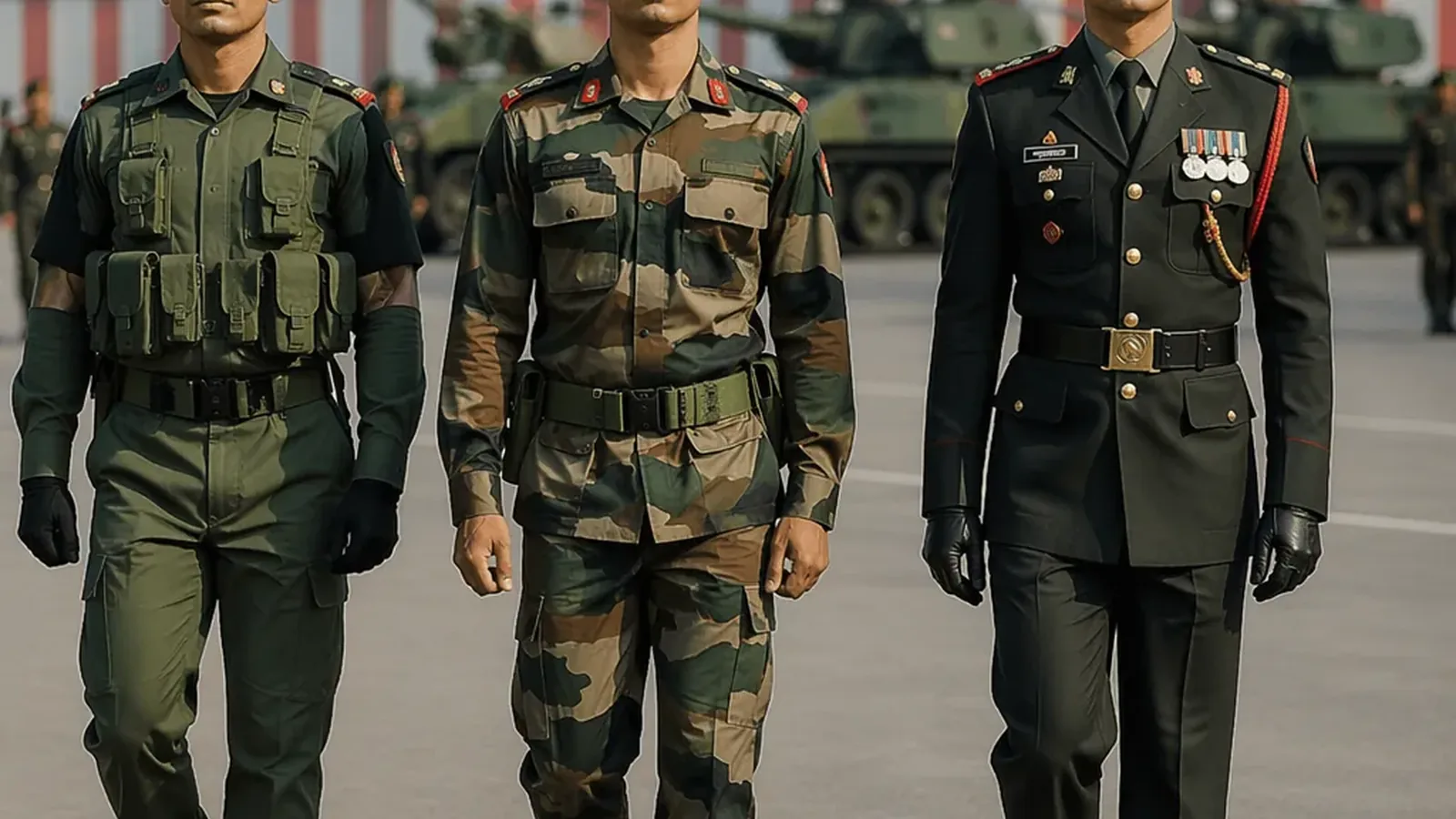
The Indian Army has made notable changes to its uniforms and customs, eliminating traces of colonial-era practices. A new 174-page manual titled 'Army Uniform-2026' outlines these updates, which aim to reflect India's sovereign identity and national spirit. Among the changes, the reviewing officer's sword during parades has been made optional, and certain pouch belts used with mess dress have been removed. Additionally, the use of terms like 'Royal' has been discontinued. For the first time, the indigenous bandi jacket has been included in formal civil dress, to be worn with a full-sleeve shirt, formal trousers, and closed shoes.
The Army clarified that these changes are not intended to end traditions but to modernize practices in line with contemporary Indian thought. Restrictions have also been imposed on soldiers wearing uniforms at private events, political gatherings, or protests without permission. Guidelines on personal appearance, including bans on unapproved beards, unconventional hairstyles, visible electronic gadgets, tattoos, body piercings, and makeup, have been introduced.
Earlier this year, the Army renamed 246 roads, buildings, and facilities across its establishments to remove colonial-era names. This initiative aimed to strengthen India's institutional identity rooted in its history and military traditions while honoring war heroes and military leaders. Examples include renaming Kirby Place in Delhi Cantonment to Kenuguruse Vihar and Mall Road to Arun Khetarpal Marg.
The Army also patented its new combat uniform design in 2025, preventing unauthorized use or replication. Introduced in January 2025, this three-layer digital print uniform is designed for comfort in all weather conditions.
Key Points
- Indian Army has removed colonial-era elements from uniforms and customs under 'Army Uniform-2026'.
- Reviewing officers' swords during parades are now optional; pouch belts and 'Royal' terminology discontinued.
- Indigenous bandi jacket introduced in formal civil dress.
- Restrictions imposed on wearing uniforms at private events without permission.
- 246 colonial-era names of roads and facilities changed earlier this year.
- New combat uniform patented in 2025 to prevent unauthorized use.
Frequently asked questions
What are the main changes in the Indian Army's new uniform guidelines?
The Indian Army has introduced 'Army Uniform-2026' to remove colonial-era traces. Key changes include making reviewing officers' swords optional during parades, discontinuing pouch belts with mess dress, removing the term 'Royal,' and introducing the indigenous bandi jacket for formal civil dress.
What is the indigenous bandi jacket and when can it be worn?
The bandi jacket is a traditional Indian garment that has been included in formal civil dress for the first time. It is to be worn with a full-sleeve shirt, formal trousers, and closed shoes.
Are soldiers allowed to wear uniforms at private events and political gatherings?
No. The Indian Army has imposed restrictions on soldiers wearing uniforms at private events, political gatherings, or protests without permission.
Why did the Indian Army rename 246 roads, buildings, and facilities?
The Army renamed these locations to remove colonial-era names and strengthen India's institutional identity rooted in its history and military traditions while honoring war heroes and military leaders. Examples include renaming Kirby Place to Kenuguruse Vihar and Mall Road to Arun Khetarpal Marg.
What is the new Indian Army combat uniform and when was it introduced?
The new combat uniform is a three-layer digital print design introduced in January 2025, created for comfort in all weather conditions. The Army patented this design in 2025 to prevent unauthorized use or replication.
You may also like
 Defence
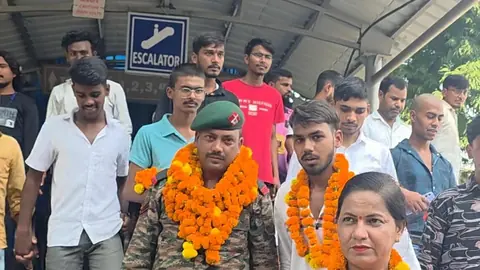
Army Havaldar Rajesh Kumar Yadav Gets Grand Gonda Welcome After 26 Years
 National
Pitru Paksha Reflection Highlights Roots, Ancestors And Indian Values
 Crime
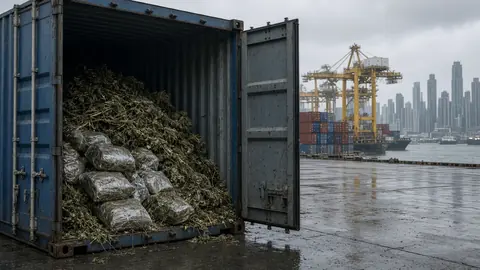
Hong Kong seizes 535kg cannabis in largest seaborne drug bust ever
 Crime
Man held for smuggling exotic spiders from Bangkok to Bengaluru
Most read
- 1
Air China Adds Extra Flight for Passengers Stranded in Fuel-Starved Cuba
- 2
Western disturbance to bring rain, hail and strong winds across north India
- 3
Yogi Adityanath Directs No Occupied Houses Be Demolished for Achhalda Bridge
- 4
Gwalior Temple Truck Crash Kills 12, Injures 28-29 Devotees During Navratri
- 5
Schools Shut in Five Tamil Nadu Districts, Including Chennai, Amid Heavy Rain
Comments
No comments yet. Be the first to comment.