
Exploring the Taj Mahal: History, Architecture, and Essential Visitor Information
The Taj Mahal, located in Agra, Uttar Pradesh, is India's most iconic monument and a UNESCO World Heritage Site. Built between 1632 and 1648 by Mughal Emperor Shah Jahan in memory of his wife Mumtaz Mahal, the marble mausoleum is often regarded as one of the most beautiful buildings in the world. It

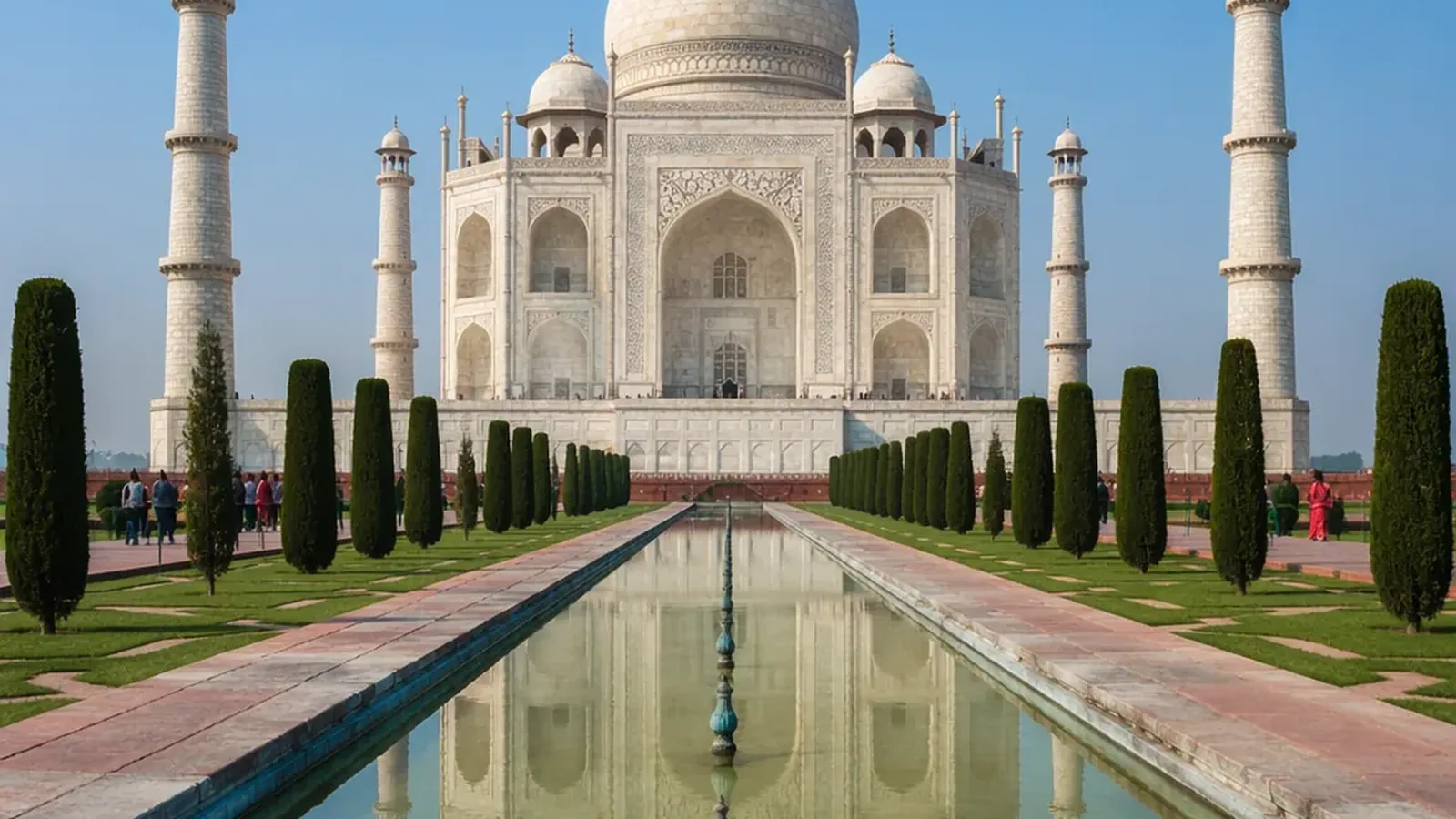
The Taj Mahal, located in Agra, Uttar Pradesh, is India's most iconic monument and a UNESCO World Heritage Site. Built between 1632 and 1648 by Mughal Emperor Shah Jahan in memory of his wife Mumtaz Mahal, the marble mausoleum is often regarded as one of the most beautiful buildings in the world. Its symmetrical design, intricate carvings, and the famous white dome are masterpieces of Mughal architecture.
Why Visit the Taj Mahal?
The Taj Mahal symbolizes eternal love and is a globally recognized image of India. Its historical significance and stunning craftsmanship make it a must-see for travelers. The changing hues of the marble, pink at sunrise, white during the day, and golden under moonlight, are particularly striking.
Practical Details
Location: The Taj Mahal is in the eastern part of Agra, near the Yamuna River. It’s approximately 3.5 km from Agra Fort and about 5 km from the Agra Cantt railway station.
Best Time to Visit: Early mornings, especially during winter (October to March), are ideal for avoiding crowds and witnessing the soft, golden light. Summers can be extremely hot with temperatures exceeding 40°C, while monsoons (July to September) may bring rain but cooler weather.
Entry Fees: Entrance fees vary for domestic and international visitors. As of recent updates, Indians pay ₹50, while foreign tourists pay ₹1100, including access to the main mausoleum. Children under 15 enter for free.
Opening Hours: The monument opens 30 minutes before sunrise and closes 30 minutes before sunset. It remains closed on Fridays for prayers. Night visits are allowed on five days each month, on the full moon night and the two nights before and after. Tickets for night viewing are limited and must be booked in advance.
Tips for Visitors
- Dress Comfortably: Wear light, breathable clothing and comfortable shoes. You’ll need to remove footwear or use shoe covers when entering the mausoleum.
- Photography: Cameras are allowed, but tripods are prohibited. Drone usage is strictly banned.
- Local Transport: Auto-rickshaws and cycle rickshaws are common near the Taj Mahal. Battery-operated vehicles are also available to reduce pollution.
- Nearby Attractions: Don’t miss Agra Fort, Mehtab Bagh (ideal for sunset views of the Taj), and Fatehpur Sikri.
Honest Context
While the Taj Mahal is breathtaking, expect crowds, especially during weekends and holidays. Vendors and guides can be persistent; stick to government-approved guides for reliable information. Pollution in Agra has impacted the monument's pristine marble over time, but restoration efforts continue.
Plan ahead, stay hydrated, and allow yourself time to appreciate this wonder of the world.
Frequently asked questions
What is the history of the Taj Mahal?
The Taj Mahal was built between 1632 and 1648 by Mughal Emperor Shah Jahan in memory of his wife Mumtaz Mahal.
What are the entry fees for visiting the Taj Mahal?
Indians pay ₹50, while foreign tourists pay ₹1100, including access to the main mausoleum. Children under 15 enter for free.
When is the best time to visit the Taj Mahal?
Early mornings, especially during winter (October to March), are ideal for avoiding crowds and witnessing the soft, golden light.
What are the opening hours of the Taj Mahal?
The monument opens 30 minutes before sunrise and closes 30 minutes before sunset. It is closed on Fridays for prayers.
Are there any restrictions on photography at the Taj Mahal?
Cameras are allowed, but tripods are prohibited, and drone usage is strictly banned.
You may also like
 Uttar Pradesh
Agra ACP Imran Ahmed Helps Elderly Woman Living Alone In Forest Hut
 Uttar Pradesh
Agra Gharana Maestro Pt. Indudhar Nirody Passes Away At 91
 Politics
BJP Names Former MLA Ram Pratap Singh Chauhan as Agra Rajya Sabha Candidate
 Uttar Pradesh
Agra to host fourth Taj Half Marathon on February 14, 2027
Most read
- 1
Air China Adds Extra Flight for Passengers Stranded in Fuel-Starved Cuba
- 2
Western disturbance to bring rain, hail and strong winds across north India
- 3
Yogi Adityanath Directs No Occupied Houses Be Demolished for Achhalda Bridge
- 4
Gwalior Temple Truck Crash Kills 12, Injures 28-29 Devotees During Navratri
- 5
Heavy Rain Waterlogs Bengaluru, Snarls Traffic; Ride-Hailing Fares Surge
Comments
No comments yet. Be the first to comment.