
News Darpan Special: Agra Fort - A Guide to Exploring the Mughal Marvel
Agra Fort, located in Agra, Uttar Pradesh, is one of India’s most historically significant landmarks. Built primarily between 1565 and 1573 under Emperor Akbar, this UNESCO World Heritage site is a sprawling red sandstone fortress that served as the main residence of the Mughal emperors until the 17

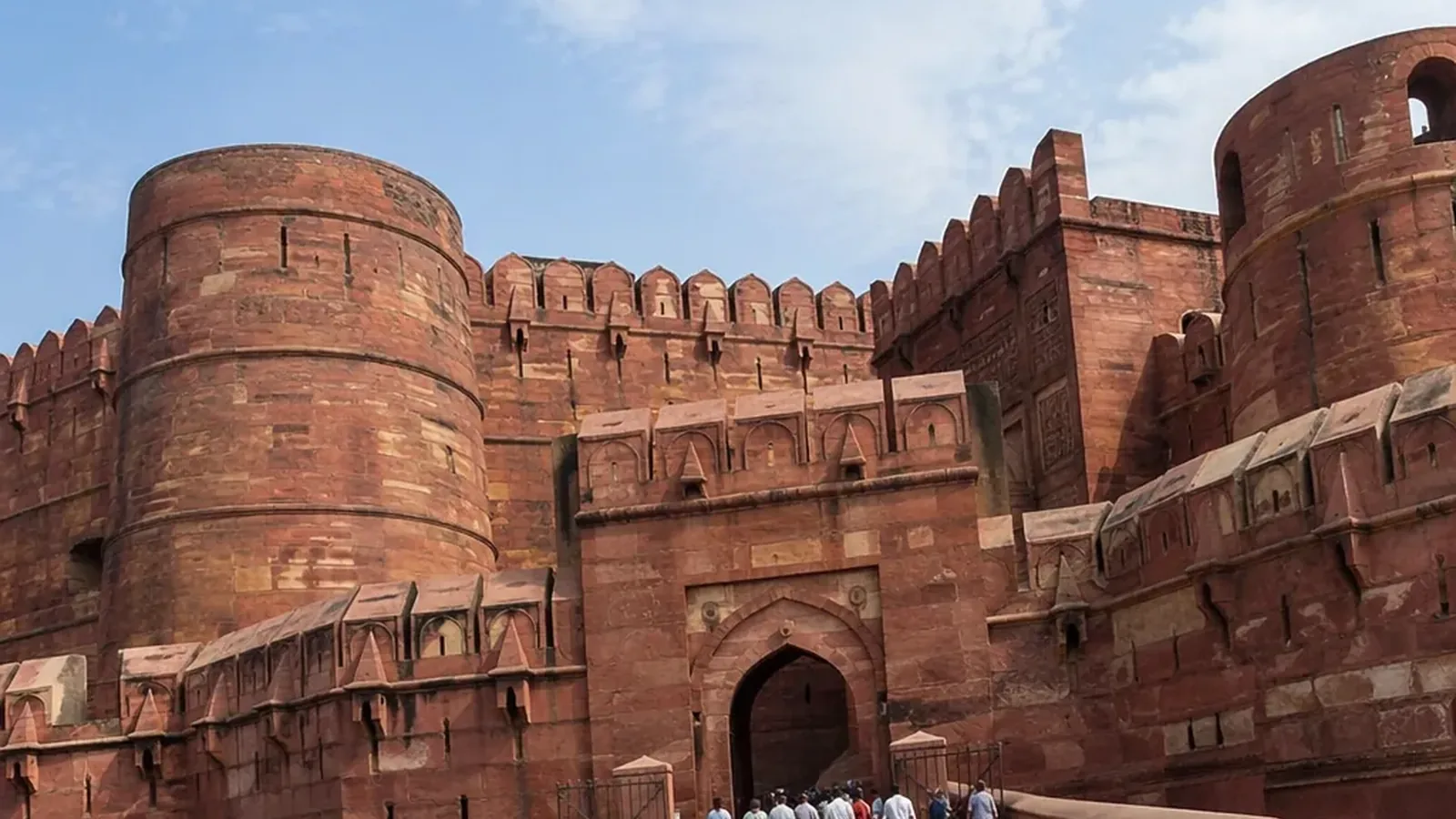
Agra Fort, located in Agra, Uttar Pradesh, is one of India’s most historically significant landmarks. Built primarily between 1565 and 1573 under Emperor Akbar, this UNESCO World Heritage site is a sprawling red sandstone fortress that served as the main residence of the Mughal emperors until the 17th century.
It is famous for its architectural brilliance and historical importance. The fort was witness to key events in Mughal history, including Shah Jahan’s imprisonment by his son Aurangzeb. Visitors are often struck by its massive walls, intricate carvings, and the stunning views of the Taj Mahal from certain vantage points inside the fort.
What to See Inside
- Diwan-i-Am (Hall of Public Audience): This is where the emperor addressed the public and resolved disputes. Look for the carved arches and throne alcove.
- Diwan-i-Khas (Hall of Private Audience): Reserved for meetings with nobles, this hall highlights Mughal finesse with its marble pillars and delicate inlay work.
- Jahangir’s Hauz: A large monolithic bowl used for bathing, showcasing early Mughal craftsmanship.
- Musamman Burj: This octagonal tower was Shah Jahan’s prison. It offers spectacular views of the Taj Mahal.
- Sheesh Mahal (Mirror Palace): Decorated with tiny mirrors, it’s an example of artistic extravagance from the Mughal era.
- Amar Singh Gate: The main entrance for visitors today, it showcases the fort’s strategic design.
Practical Information
- Location: Agra Fort is around 2.5 km from the Taj Mahal and easily reachable by auto-rickshaw or cab. It’s situated along the Yamuna River in Rakabganj, Agra.
- Visiting Hours: Open daily from sunrise to sunset. Official timings are typically 6:00 AM to 6:00 PM.
- Entry Fees: Indian citizens pay ₹50, while foreign visitors pay ₹650. Children under 15 enter free.
- Best Time to Visit: October to March is ideal, as the weather is cooler. Avoid afternoons in summer due to intense heat.
Local Tips
- Hire a government-approved guide for ₹300, 500 to deepen your understanding of the fort’s history.
- Wear comfortable shoes; the fort involves a fair amount of walking.
- Early mornings or late afternoons are best for avoiding crowds and capturing better photos.
- Combine your visit with the Taj Mahal and Mehtab Bagh for a full day of sightseeing.
Honest Context
While Agra Fort is impressive, it can feel overwhelming to navigate without a guide. Unlike the Taj Mahal, it may not appeal to casual visitors uninterested in history. Also, be prepared for persistent touts outside. If you're visiting in peak season, expect long queues at the entrance.
Frequently asked questions
What is Agra Fort known for?
Agra Fort is known for its architectural brilliance, historical importance, and as a UNESCO World Heritage site that served as the main residence of Mughal emperors.
When was Agra Fort built?
Agra Fort was primarily built between 1565 and 1573 under Emperor Akbar.
What are the visiting hours for Agra Fort?
Agra Fort is open daily from sunrise to sunset, with official timings typically from 6:00 AM to 6:00 PM.
What is the entry fee for Agra Fort?
Indian citizens pay ₹50, while foreign visitors pay ₹650. Children under 15 enter free.
What is the best time to visit Agra Fort?
The best time to visit Agra Fort is from October to March when the weather is cooler.
You may also like
 Uttar Pradesh
Agra ACP Imran Ahmed Helps Elderly Woman Living Alone In Forest Hut
 Uttar Pradesh
Agra Gharana Maestro Pt. Indudhar Nirody Passes Away At 91
 Politics
BJP Names Former MLA Ram Pratap Singh Chauhan as Agra Rajya Sabha Candidate
 Uttar Pradesh
Agra to host fourth Taj Half Marathon on February 14, 2027
Most read
- 1
Air China Adds Extra Flight for Passengers Stranded in Fuel-Starved Cuba
- 2
Western disturbance to bring rain, hail and strong winds across north India
- 3
Yogi Adityanath Directs No Occupied Houses Be Demolished for Achhalda Bridge
- 4
Gwalior Temple Truck Crash Kills 12, Injures 28-29 Devotees During Navratri
- 5
Heavy Rain Waterlogs Bengaluru, Snarls Traffic; Ride-Hailing Fares Surge
Comments
No comments yet. Be the first to comment.