
Bara Imambara, Lucknow: A Guide to the City’s Iconic Heritage Site
Bara Imambara, also known as Asafi Imambara, is a historic 18th-century monument in Lucknow, Uttar Pradesh. Built in 1784 by Nawab Asaf-ud-Daula, it served as a relief project during a devastating famine, employing thousands of locals. Today, it is one of Lucknow’s most celebrated architectural land

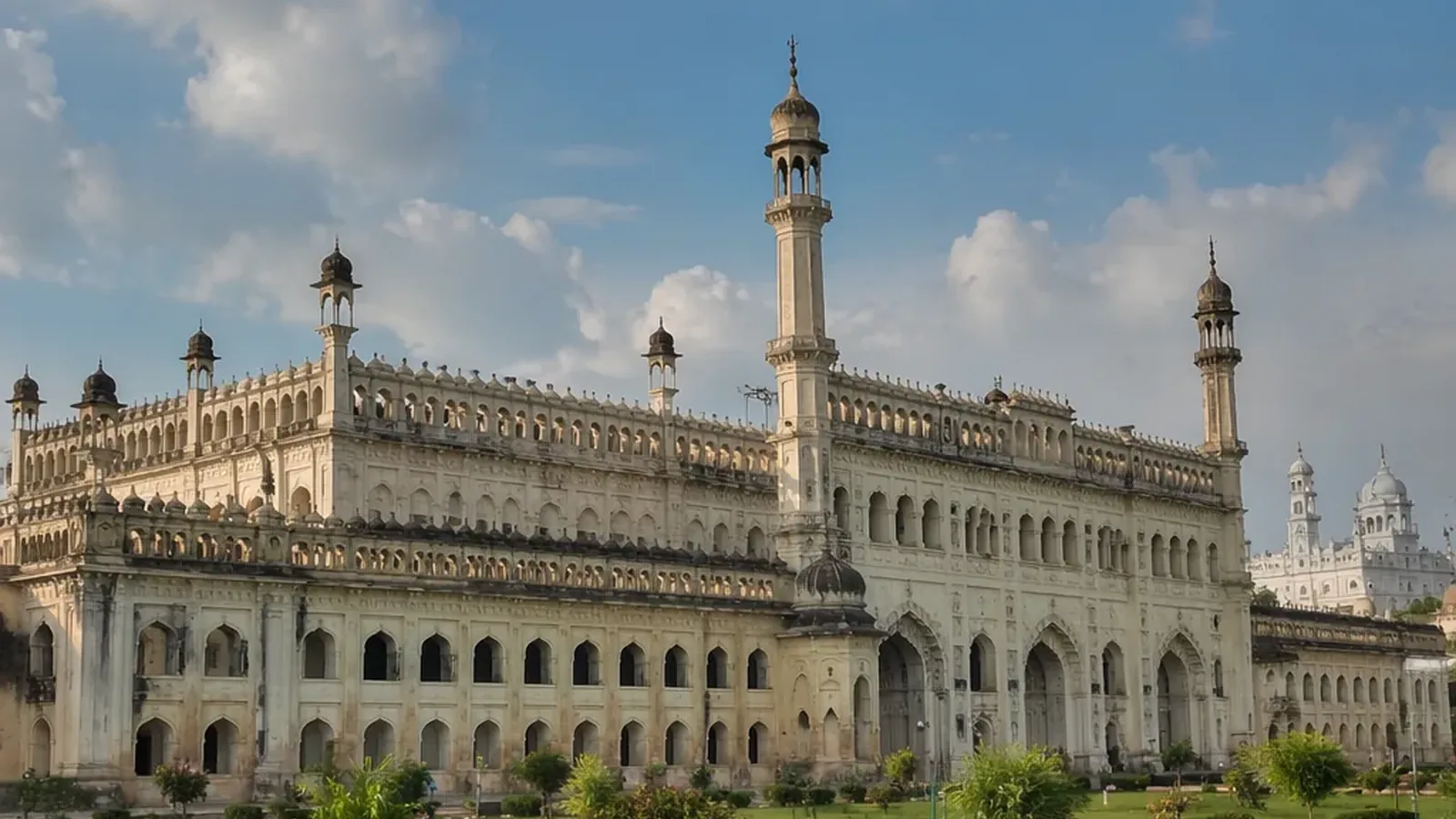
Bara Imambara, also known as Asafi Imambara, is a historic 18th-century monument in Lucknow, Uttar Pradesh. Built in 1784 by Nawab Asaf-ud-Daula, it served as a relief project during a devastating famine, employing thousands of locals. Today, it is one of Lucknow’s most celebrated architectural landmarks, blending Mughal and Awadhi styles without a single beam or pillar supporting its vast central hall.
Why Visit Bara Imambara
The site's main attraction is the central hall, one of the largest arched constructions in the world, measuring approximately 50 meters long and 15 meters high. The complex also houses the famous Bhul Bhulaiya, a labyrinth of narrow corridors and staircases that can confuse even the most confident visitors. The rooftop offers panoramic views of Lucknow, including the Rumi Darwaza and the Gomti River.
The adjoining Asafi Mosque is another highlight, though entry is restricted to non-Muslims. The Shahi Baoli (stepwell) near the entrance is an underrated feature; its clever design allows guards to see visitors approaching the main gate via their reflections in the water.
Practical Information
- Location: Situated in the heart of Lucknow, Bara Imambara is in the Hussainabad area, about 4 km from Charbagh Railway Station.
- Timings: Open daily, approximately 6:00 AM to 6:00 PM.
- Entry Fees: There is a ticketed entry for Indian and foreign tourists. Combined tickets for Bara Imambara and Chota Imambara are often available.
- Best Time to Visit: The cooler months from October to March are ideal. Afternoons are less crowded, but mornings offer better light for photography.
Local Tips
1. Hire a Guide: Navigating the Bhul Bhulaiya can be tricky without a guide. Official guides are available at the entrance, ensure they are government-approved.
2. Dress Modestly: As it’s a religious site, avoid wearing shorts or sleeveless tops.
3. Carry Water: The monument requires walking and climbing stairs, so staying hydrated is essential.
4. Combine Your Visit: Pair your trip with nearby attractions like Chota Imambara, Rumi Darwaza, and the Hussainabad Clock Tower.
Honest Context
While the architecture is impressive, some areas of the monument show signs of wear. Facilities like washrooms and parking can be basic. The site can get crowded on weekends and public holidays, so plan accordingly.
Bara Imambara is more than a tourist attraction, it’s a testament to the Nawabs’ legacy and Lucknow’s rich cultural history. A must-visit for those exploring the city.
Frequently asked questions
What is Bara Imambara?
Bara Imambara, also known as Asafi Imambara, is a historic 18th-century monument in Lucknow, built in 1784 by Nawab Asaf-ud-Daula as a relief project during a famine.
What are the main attractions at Bara Imambara?
The main attractions include the vast central hall, the Bhul Bhulaiya labyrinth, and the rooftop offering panoramic views of Lucknow.
What are the visiting hours for Bara Imambara?
Bara Imambara is open daily from approximately 6:00 AM to 6:00 PM.
Is there an entry fee for Bara Imambara?
Yes, there is a ticketed entry for both Indian and foreign tourists, and combined tickets for Bara Imambara and Chota Imambara are often available.
What is the best time to visit Bara Imambara?
The best time to visit is during the cooler months from October to March, with mornings being ideal for photography.
You may also like
 Crime
Crime
Model Shraddha Dubey With ₹50,000 Reward Arrested in Shiva Sharma Death Case
 Uttar Pradesh
Unclaimed 9-year-old found on Lucknow-Agra train handed to father
 Uttar Pradesh
BSP Prepares Lucknow Show of Strength on Kanshi Ram’s Parinirvan Day
 Politics
Yogi to Hold Video Review Meeting on Upcoming Festivals Tomorrow
Most read
- 1
Air China Adds Extra Flight for Passengers Stranded in Fuel-Starved Cuba
- 2
Western disturbance to bring rain, hail and strong winds across north India
- 3
Yogi Adityanath Directs No Occupied Houses Be Demolished for Achhalda Bridge
- 4
Gwalior Temple Truck Crash Kills 12, Injures 28-29 Devotees During Navratri
- 5
Schools Shut in Five Tamil Nadu Districts, Including Chennai, Amid Heavy Rain
Comments
No comments yet. Be the first to comment.