
Understanding ECR and ECNR Passports: Key Differences Explained
Learn the differences between ECR and ECNR on Indian passports, who needs them, and their implications for employment abroad.

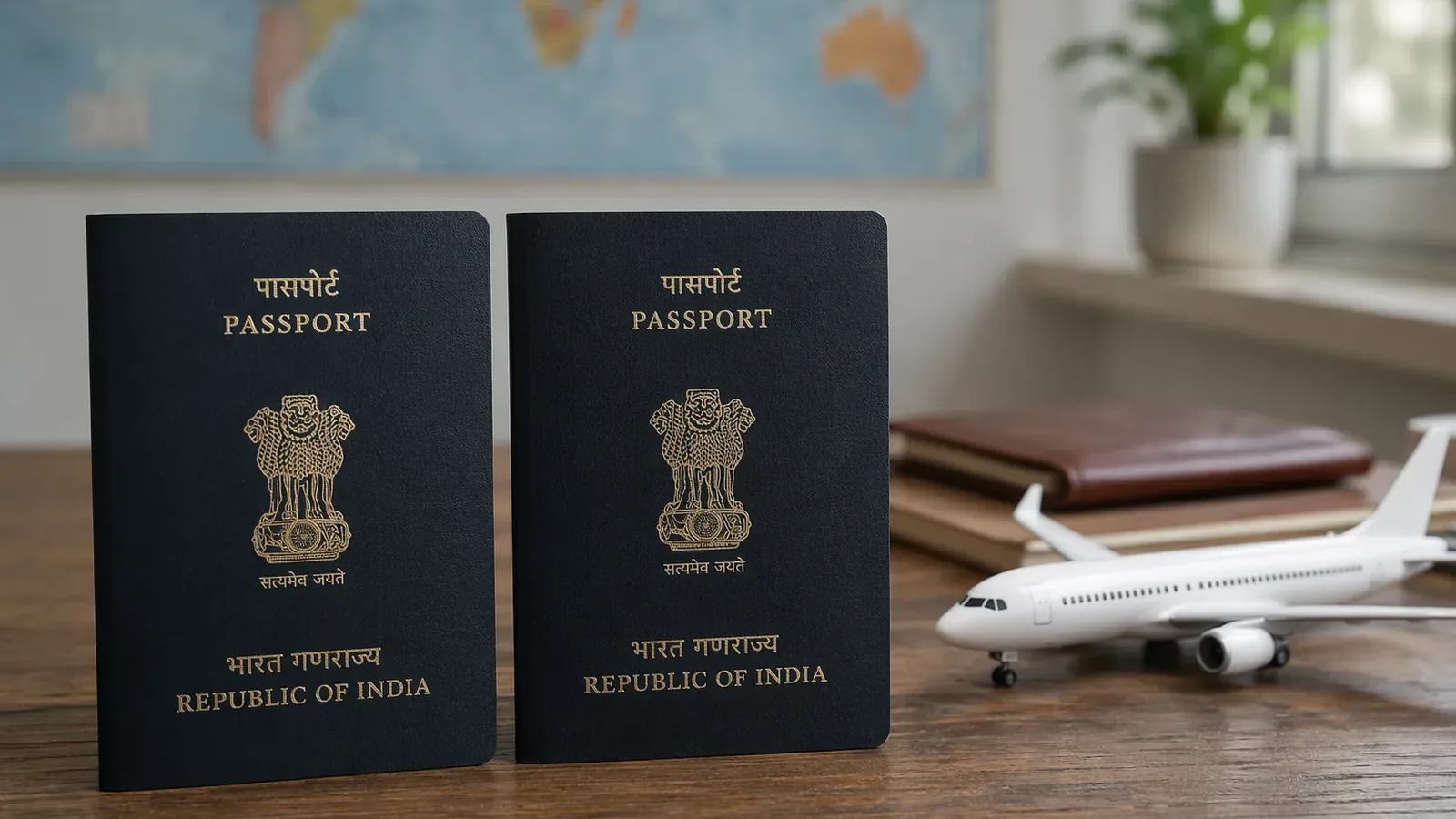
What’s the Difference Between ECR and ECNR on an Indian Passport, and Who Needs It?
Understanding the terms ECR (Emigration Check Required) and ECNR (Emigration Check Not Required) is crucial for Indian passport holders, especially those seeking employment abroad or applying for a new passport. While these categories have significant implications for work-related travel, they make little difference for tourism or vacation purposes. Here’s a detailed explainer.
What Do ECR and ECNR Mean?
ECR stands for Emigration Check Required, while ECNR refers to Emigration Check Not Required, also known as Non-ECR. This system was introduced to safeguard Indian workers from exploitation, abuse, trafficking, illegal recruitment, and substandard working conditions in certain foreign labour markets.
Under this system, individuals with ECR passports must obtain emigration clearance before travelling to specific countries for employment. Those with ECNR passports are exempt from this requirement.
Who Gets an ECR Passport?
ECR passports are typically issued to individuals who have not completed their Class 10 (matriculation) education and do not fall into any exempted categories. This category is designed to protect vulnerable individuals who may be at higher risk of exploitation while seeking employment abroad.
It is important to note that holding an ECR passport does not restrict international travel for purposes such as tourism, education, or family visits. The emigration clearance requirement applies only to employment-related travel to designated ECR countries.
Who Falls Under the ECNR Category?
Most Indian passport holders belong to the Non-ECR (ECNR) category. This includes individuals who have completed Class 10 or higher education, as well as those who meet specific exemption criteria. Exemptions include taxpayers, government employees, individuals over 50 years of age, children under 18, certain professionals, and those with prior overseas work experience.
Modern Indian passports no longer carry a separate ECNR stamp. If a passport does not explicitly mention "Emigration Check Required" on the last page, it is automatically considered a Non-ECR passport.
Does ECR Status Affect Tourism?
A common misconception is that ECR passports impose restrictions on international travel for non-work purposes. This is not true. ECR passport holders can travel abroad for tourism, education, medical treatment, family visits, or job-related visits without requiring emigration clearance. The ECR designation becomes relevant only when travelling to specific countries for employment.
How to Check Your Passport Status
In older passport booklets, ECR status was mentioned on the observation page. In newer passports, it is indicated on the last page as "Emigration Check Required." If no such mention exists, the passport falls under the Non-ECR category.
Why Does the ECR System Exist?
The Indian government introduced the ECR system to protect workers travelling to certain countries from issues like job contract violations, non-payment of wages, poor living conditions, and recruitment fraud. By requiring emigration clearance, the system ensures verification of employment contracts and recruitment processes, reducing the risk of exploitation.
When Does ECR Matter?
The ECR designation is relevant only for individuals seeking employment in designated countries. For most other forms of travel, including tourism and education, ECR or ECNR status does not make a practical difference.
In summary, while ECR and ECNR classifications are critical for work-related travel to specific countries, they have minimal impact on other types of international travel. Understanding your passport status can help you navigate these requirements effectively.
Frequently asked questions
What is the difference between ECR and ECNR on an Indian passport?
ECR stands for Emigration Check Required, meaning holders must obtain clearance before travelling to specific countries for employment. ECNR stands for Emigration Check Not Required, meaning holders are exempt from this requirement.
Who is typically issued an ECR passport?
ECR passports are generally issued to individuals who have not completed their Class 10 education and do not fall into any exempted categories.
Who falls under the ECNR category?
The Non-ECR category includes individuals who have completed Class 10 or higher education, taxpayers, government employees, people over 50, children under 18, certain professionals, and those with prior overseas work experience.
Does having an ECR passport restrict tourism or non-work travel?
No, ECR passport holders can travel abroad for tourism, education, medical treatment, family visits, or non-employment purposes without requiring emigration clearance.
You may also like
 Business
South Korean Graduates Seek Jobs in Japan Amid Local Job Shortage
 Business
Filipino Housekeepers Fill Growing Demand in Japan's Market
 Karnataka
VB-G RAM G Scheme Generates Five Lakh Man-Days of Employment Since July
 International
China Links Visa Approval To Direct Outcome Of Trump-Xi Summit
Most read
- 1
Air China Adds Extra Flight for Passengers Stranded in Fuel-Starved Cuba
- 2
Western disturbance to bring rain, hail and strong winds across north India
- 3
Yogi Adityanath Directs No Occupied Houses Be Demolished for Achhalda Bridge
- 4
Gwalior Temple Truck Crash Kills 12, Injures 28-29 Devotees During Navratri
- 5
Schools Shut in Five Tamil Nadu Districts, Including Chennai, Amid Heavy Rain
Comments
No comments yet. Be the first to comment.