
Protests and Violence Escalate in PoK Amid Political Tensions
Protests in Pakistan-occupied Kashmir (PoK) have intensified over alleged government interference in upcoming elections. The unrest, led by the Joint Awami Action Committee, has seen violent crackdowns, including police firing on demonstrators. India has condemned Pakistan's actions at international forums.

Protests in Pakistan-occupied Kashmir (PoK) have escalated as citizens oppose the government's alleged manipulation of upcoming elections. The unrest began in May 2023 over rising electricity bills and flour shortages but has since evolved into a broader political movement. The Joint Awami Action Committee (JAAC), comprising citizens, shopkeepers, and lawyers, is leading the demonstrations, demanding the abolition of 12 refugee seats in the PoK assembly. These seats are reserved for individuals who migrated from Jammu and Kashmir to Pakistan during 1947 and 1965.
The situation turned violent on June 7, 2026, when security forces clashed with protesters near Barmang Bridge, resulting in the suspicious death of Shahzeb Habib, a local trader. On June 9, Pakistani police reportedly opened fire on demonstrators outside a hospital in Rawalakot, killing several individuals. Videos on social media show the military using drones and helicopters to monitor and suppress protests. Internet and mobile services in PoK have been completely shut down, and curfews have been imposed, with over 14,000 paramilitary forces deployed.
India has strongly condemned Pakistan's actions. On June 9, 2026, Ministry of External Affairs spokesperson Randhir Jaiswal criticized Pakistan for its treatment of PoK residents and accused it of spreading fake news to divert attention. India reiterated its stance that PoK is an illegally occupied territory.
Meanwhile, international responses have been muted. While countries like the US and UK have issued travel advisories, they have not taken strong actions against Pakistan. A UN report presented on June 8 highlighted over 3,600 cross-border firing incidents along the Afghanistan border but did not impose sanctions on Pakistan.
Key Points
- Protests in PoK began over economic issues but have grown into a political movement against election interference.
- Pakistani forces have used violent measures, including firing on protesters and shutting down communication networks.
- India has condemned Pakistan's actions at international forums, calling for accountability.
- International responses, including from the US and UN, have been limited to travel advisories and reports.
- The unrest highlights tensions over PoK's governance and Pakistan's handling of dissent.
Frequently asked questions
What sparked the protests in Pakistan-occupied Kashmir (PoK)?
The protests began over rising electricity bills and flour shortages but evolved into a political movement against the government's alleged manipulation of upcoming elections.
Who is leading the demonstrations in PoK?
The Joint Awami Action Committee (JAAC), which includes citizens, shopkeepers, and lawyers, is leading the demonstrations.
What violent incidents occurred during the protests?
On June 7, 2026, security forces clashed with protesters, resulting in the suspicious death of a local trader, Shahzeb Habib. On June 9, police reportedly opened fire on demonstrators, killing several individuals.
How has the Pakistani government responded to the protests?
The government has deployed over 14,000 paramilitary forces, imposed curfews, and shut down internet and mobile services in PoK to suppress the protests.
What has been India's reaction to the situation in PoK?
India has strongly condemned Pakistan's actions, criticizing its treatment of PoK residents and reiterating that PoK is an illegally occupied territory.
You may also like
 West Bengal
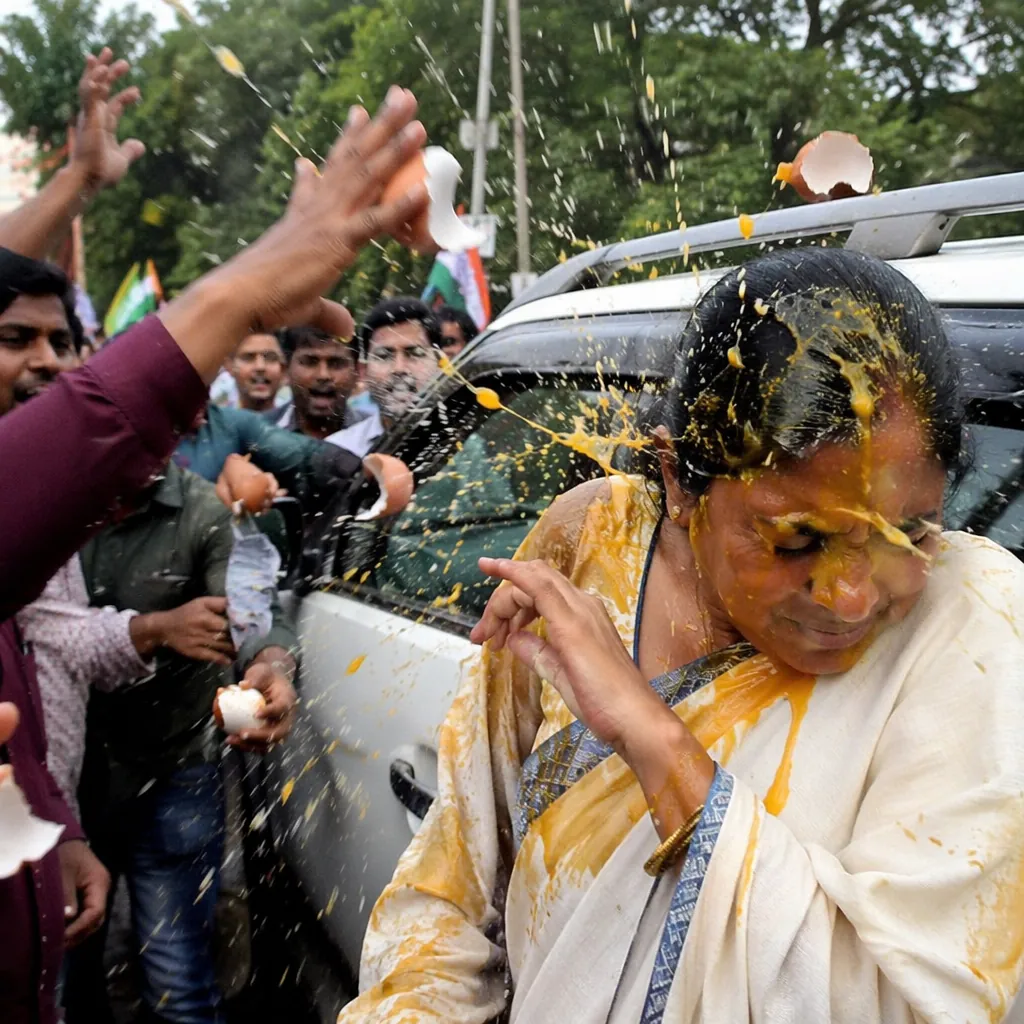
Eggs Thrown at TMC Leaders: Soumitra Banerjee Attacked, Mandira Ghen
 West Bengal
TMC leaders face public anger; arrests and protests reported in Bengal
 Kerala
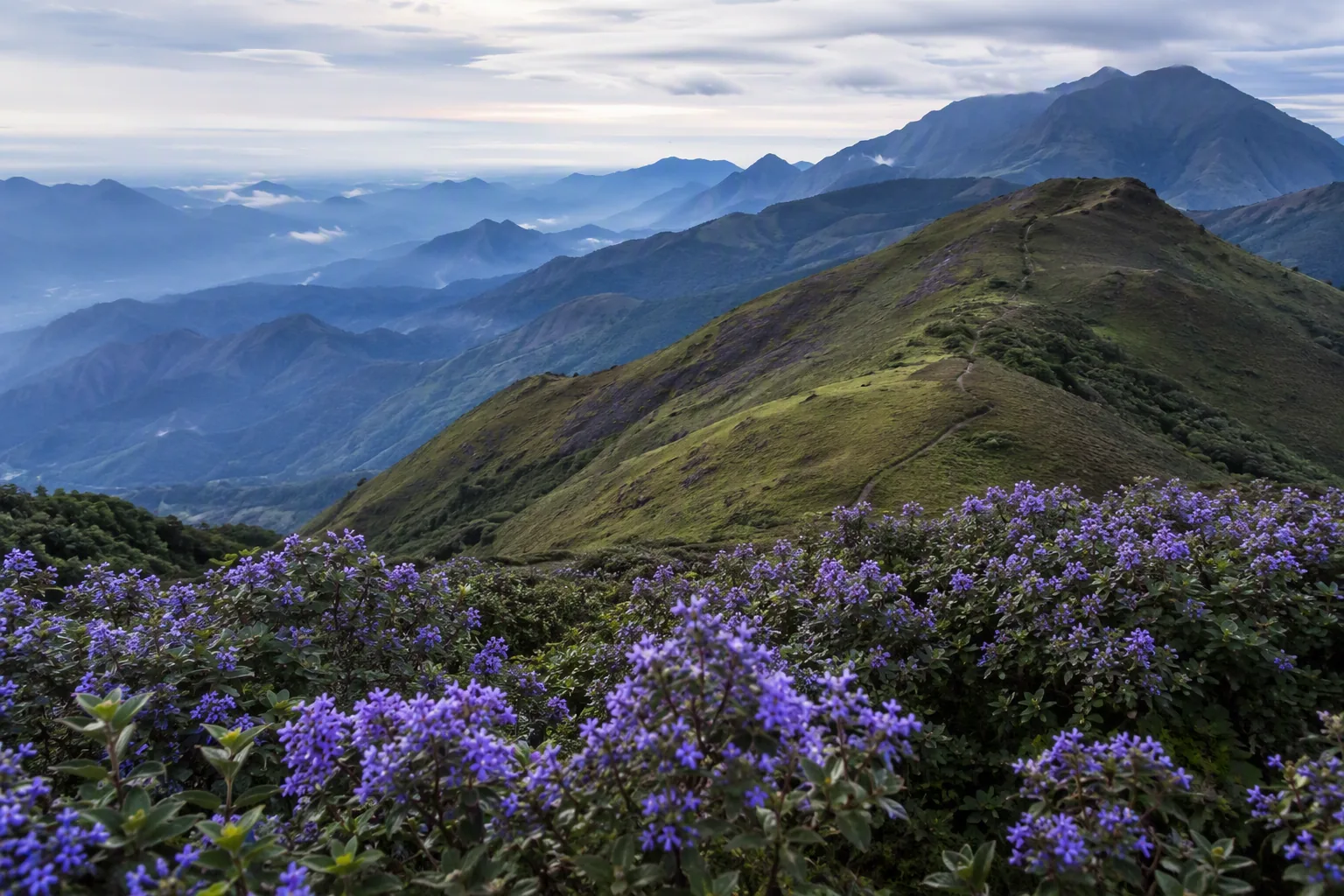
Chokramudi Hills to Open for Tourists as Neelakurinji Blooms Begin
 National
FTII's Jagat Murari: Shaping India's Filmmaking Rebels Since the 1960s
Most read
- 1
Raja Mahendra Pratap Singh University launches 'Free Thinkers Club' for students
- 2
Andhra Pradesh Cabinet Ministers List 2026 with Contact Numbers and Portfolios
- 3
Teacher arrives drunk at Firozabad school, sparks chaos and protests
- 4
Hamirpur stenographer rescued after suicide attempt from bridge
- 5
Tamil Nadu Cabinet Ministers List 2026 with Portfolios
Comments
No comments yet. Be the first to comment.