
Chinese proverb highlights how vast experiences reshape our perspectives
Explore the meaning behind the Chinese proverb about perspective and experience. Learn how exposure shapes our understanding of life.

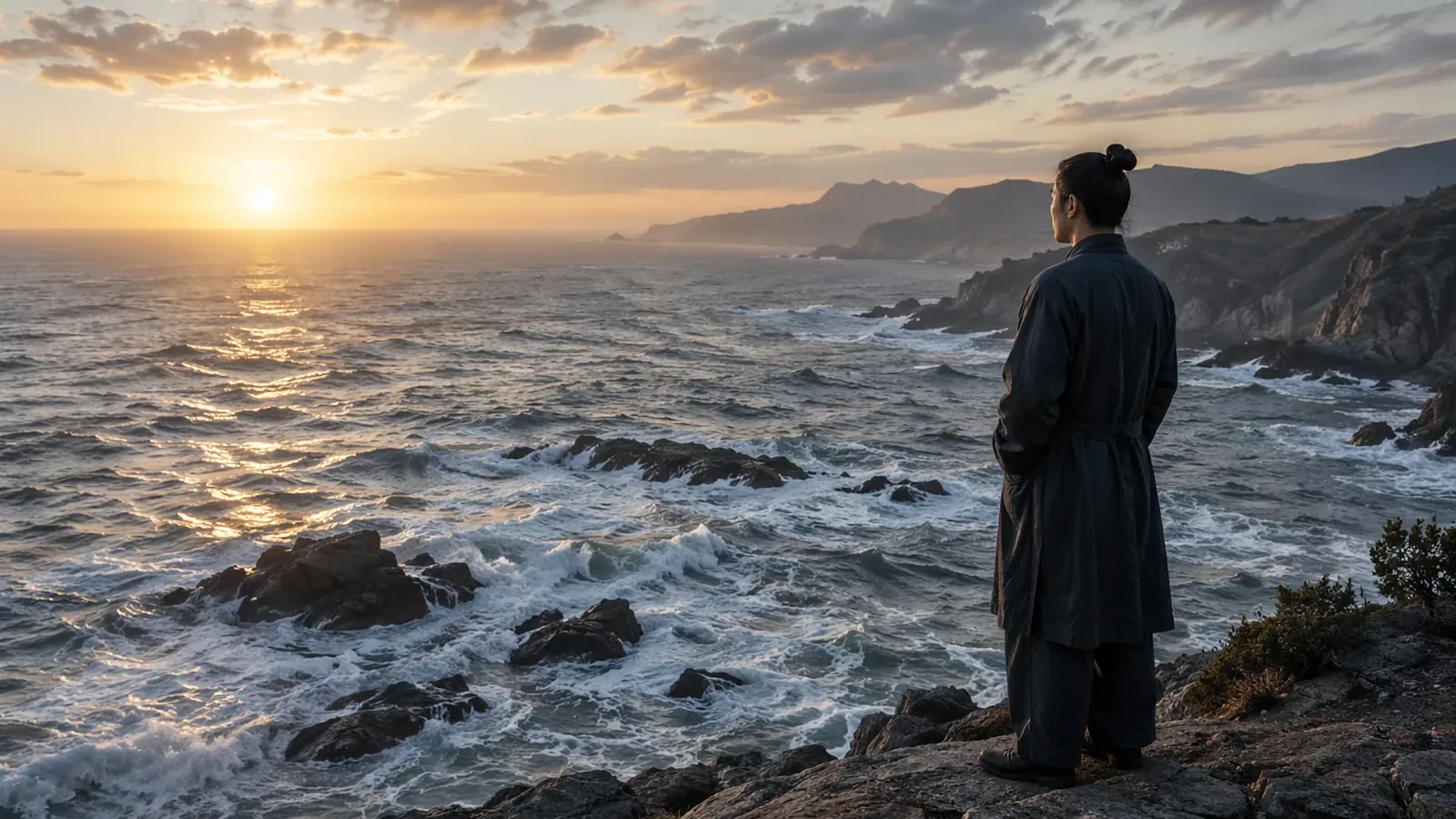
Explainer: Decoding the Chinese Proverb “One Who Has Seen the Ocean Thinks Nothing of Mere Rivers”
Some proverbs endure across generations because they capture timeless truths. The Chinese saying, “One who has seen the ocean thinks nothing of mere rivers,” is one such example. While it may appear to compare two bodies of water, its deeper meaning lies in perspective, experience, and personal growth.
The proverb suggests that encountering something vast, whether in knowledge, travel, achievement, or wisdom, reshapes how smaller experiences are perceived. It is not about dismissing the small or being arrogant, but rather about how exposure to a broader world can transform understanding. Even today, this saying inspires people to seek new experiences, expand their horizons, and appreciate how learning can change their outlook on life.
At its core, the proverb conveys a simple yet profound idea: experience changes perspective. For example, greater experiences often redefine what we consider impressive. Knowledge gained through direct experience holds more value than second-hand understanding, and personal growth expands our view of the world.
This wisdom also applies to practical life. Someone who has traveled widely may see familiar places in a new light, just as a person who has overcome major challenges may approach smaller obstacles with greater confidence. Exposure to different cultures, ideas, and places can challenge long-held beliefs and help people make wiser decisions.
The imagery of rivers and oceans is particularly powerful in Chinese wisdom. Rivers symbolize familiar experiences, local knowledge, and everyday achievements, while oceans represent vast knowledge, life-changing experiences, limitless possibilities, and a broader worldview. By contrasting these two, the proverb illustrates how encountering something greater can transform a person’s outlook.
Ultimately, the saying encourages continuous learning and exploration rather than remaining confined to what is already known. It aligns with other Chinese proverbs that emphasize similar themes, such as:
- “A journey of a thousand miles begins with a single step,” which reminds us that great achievements start small.
- “The best time to plant a tree was twenty years ago. The second-best time is now,” which urges action over regret.
- “Learning is a treasure that will follow its owner everywhere,” highlighting the enduring value of knowledge.
- “To know the road ahead, ask those coming back,” which underscores the importance of learning from experience.
- “The gem cannot be polished without friction, nor man perfected without trials,” suggesting that growth comes through challenges.
Together, these proverbs reflect recurring themes in Chinese wisdom: experience broadens understanding, perseverance builds character, and learning never truly ends. Like the person who has seen the ocean, those who continue to explore, learn, and grow often discover that the world is far larger and more fascinating than they first imagined.
Frequently asked questions
What does the Chinese proverb 'One Who Has Seen the Ocean Thinks Nothing of Mere Rivers' mean?
The proverb uses the contrast between rivers and oceans as a metaphor for perspective and experience. It suggests that encountering something vast, whether in knowledge, travel, achievement, or wisdom, reshapes how smaller experiences are perceived. The ocean represents vast knowledge and life-changing experiences, while rivers symbolize familiar, everyday experiences. The saying conveys that experience fundamentally changes perspective.
Is the proverb about dismissing smaller achievements?
No. The proverb is not about being arrogant or dismissing the small. Rather, it illustrates how exposure to a broader world transforms understanding and outlook. It's about how greater experiences often redefine what we consider impressive, and how personal growth expands our view of life.
How does this proverb apply to practical life?
The wisdom applies in many ways: someone who has traveled widely may see familiar places in a new light, and a person who has overcome major challenges may approach smaller obstacles with greater confidence. Exposure to different cultures, ideas, and places can challenge long-held beliefs and help people make wiser decisions.
What other Chinese proverbs share similar themes?
Several Chinese proverbs emphasize related wisdom: 'A journey of a thousand miles begins with a single step' reminds us that great achievements start small, 'The best time to plant a tree was twenty years ago. The second-best time is now' urges action over regret, and 'Learning is a treasure that will follow its owner everywhere' highlights the enduring value of knowledge.
You may also like
 National
Hong Kong educator Joseph Lau named finalist in culture category
 Tamil Nadu
Chennai celebrates its 387th birthday with food, music, and community at Made of Chennai festival
 Religious
Experience 36 Hours in Srinagar: A First-Timer’s Itinerary
 National
Japan's Crown Prince honors 90 years of Japanese settlement in Paraguay
Most read
- 1
Air China Adds Extra Flight for Passengers Stranded in Fuel-Starved Cuba
- 2
Western disturbance to bring rain, hail and strong winds across north India
- 3
Yogi Adityanath Directs No Occupied Houses Be Demolished for Achhalda Bridge
- 4
Gwalior Temple Truck Crash Kills 12, Injures 28-29 Devotees During Navratri
- 5
Schools Shut in Five Tamil Nadu Districts, Including Chennai, Amid Heavy Rain
Comments
No comments yet. Be the first to comment.