
African Proverb Questions Credibility of Marriage Advice from the Unsuccessful
Explore the African proverb on marriage success and teaching wisdom. Who has the right to advise?

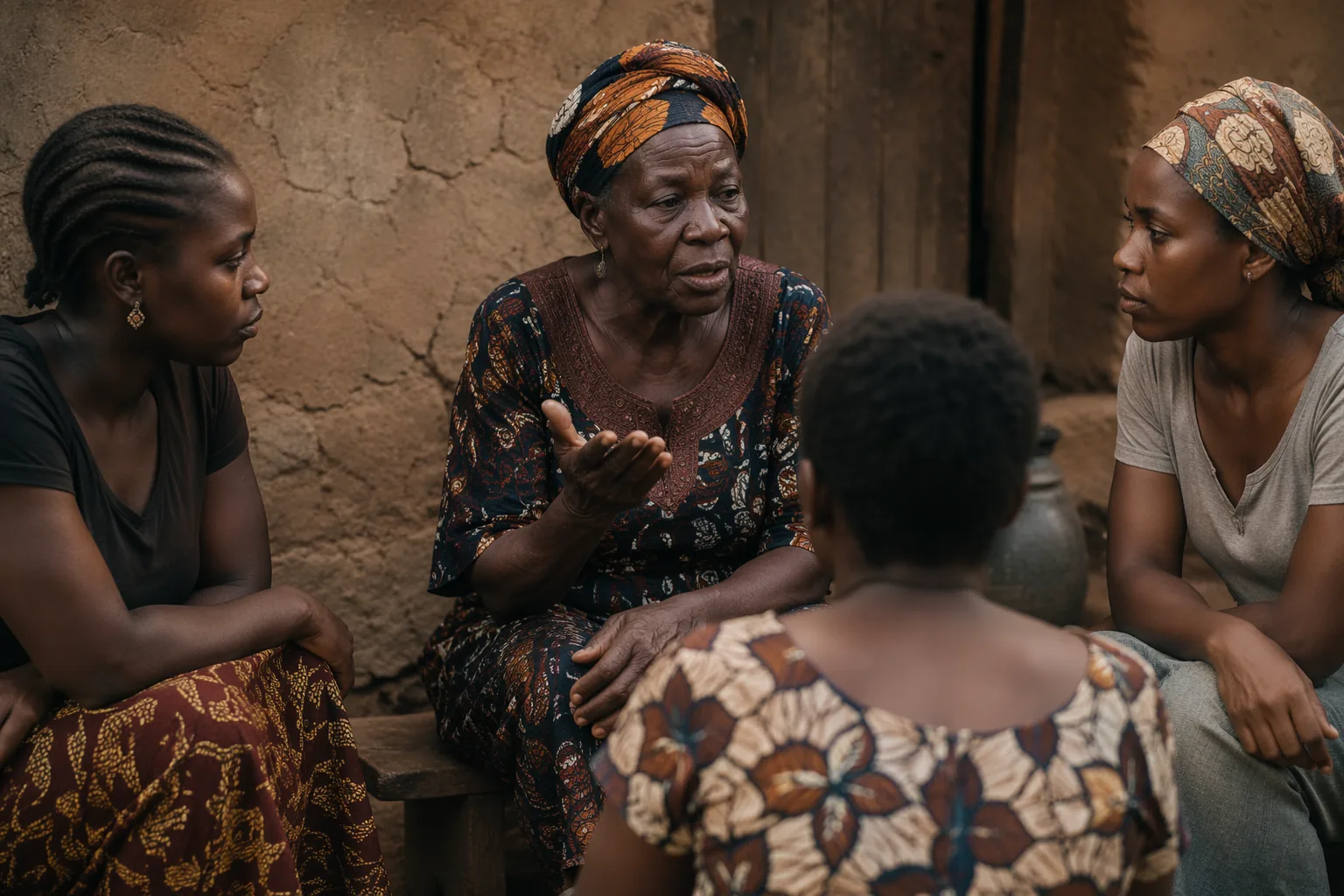
African Proverb of the Day: "A Woman Who Is Not Successful in Her Own Marriage Has No Advice to Give to Her Younger Generations"
This sharp African proverb delivers a blunt message: those whose lives do not align with their advice may struggle to earn the trust of others. Specifically, it argues that a woman whose marriage has failed should not offer guidance to younger generations about relationships. While the sentiment may seem harsh, it raises a broader and timeless question: who truly has the right to teach?
The Meaning Behind the Proverb
On the surface, the proverb is straightforward. If someone’s marriage has fallen apart, why should others trust their advice on how to build a successful one? The underlying logic is rooted in human nature: we tend to believe those whose lives reflect the wisdom they share. Just as you would trust cooking advice from someone whose food you’ve tasted and loved, or financial tips from someone who has built wealth rather than lost it, the same principle applies to marriage. A lasting and strong marriage lends credibility to advice, while a failed one may cast doubt on the speaker’s authority.
The Power of Example Over Words
At its core, the proverb highlights a universal truth: actions speak louder than words. People are more likely to trust advice that aligns with the speaker’s lived experiences. This idea transcends marriage and applies to any area of life. It is a reminder that the most trusted guidance often comes from those who lead by example, rather than merely offering instructions.
Challenging the Assumptions
However, the proverb is not without controversy. It assumes that a failed marriage is entirely the fault of the woman, ignoring the myriad reasons relationships can break down, many of which may be beyond her control. Marriages can end due to betrayal, abuse, or irreconcilable differences, and sometimes walking away is an act of courage rather than failure. To dismiss the wisdom of women who have endured such experiences feels unfair and overly simplistic.
In fact, those who have faced the pain of a broken marriage may have deeper insights into love and relationships than someone whose union has never been tested. Pain, while difficult, can be a profound teacher. The person who has reflected on their mistakes and learned from them often offers advice that is more honest and grounded than someone whose marriage has remained unchallenged.
A Gendered Perspective
The proverb also places the burden of marital success solely on women, reflecting the patriarchal norms of the society it originated in. It overlooks the fact that a successful marriage is a shared responsibility between partners. A more balanced interpretation would extend the same scrutiny to men and anyone offering advice on relationships or life in general.
The Historical Context
It’s important to consider the historical backdrop of this saying. In many traditional societies, women were expected to stay in marriages regardless of their happiness or well-being. A marriage that simply lasted was often deemed successful, even if it was deeply unhappy. This narrow definition of success ignores the wisdom of women who endured such unions and could offer valuable lessons to younger generations.
What the Proverb Gets Right
Despite its flaws, the proverb carries a kernel of truth. It warns against advice that does not align with the speaker’s lived experience. People are naturally skeptical of those who preach one thing but live another. The lesson here is not to stay silent if you’ve experienced failure, but rather to ensure that your advice is honest and reflective of your journey. If your life and words align, your guidance will carry more weight.
Applying This Wisdom
The principle behind this proverb is not limited to marriage or gender. It applies to any area of life where advice is exchanged. Before offering guidance, ask yourself: am I living by the advice I’m giving? Similarly, when receiving advice, consider whether the person offering it has truly walked the path they describe. Often, the most valuable lessons come from those who have stumbled and learned from their mistakes.
Similar Sayings Across Cultures
This proverb is part of a broader global wisdom that stresses the importance of aligning actions with words. Sayings like "Practice what you preach," "A tree is known by its fruit," and "Physician, heal thyself" all carry the same message: people trust advice that is backed by real-life experience.
A Final Thought
While the proverb may initially seem like a way to shame women whose marriages have failed, a more thoughtful reading reveals its deeper purpose. It challenges us to ensure that our advice is rooted in honesty and experience. The wisdom we trust most often comes not from perfect lives, but from those who are candid about their imperfections.
Frequently asked questions
What does the African proverb about marriage advice mean?
The proverb states that a woman whose marriage has failed should not offer guidance to younger generations about relationships. It suggests that people tend to trust advice from those whose lives reflect the wisdom they share, just as you would trust cooking advice from someone whose food you've enjoyed, or financial tips from someone who has built wealth.
Why does the proverb emphasize that actions speak louder than words?
The proverb highlights a universal truth that people are more likely to trust advice aligned with the speaker's lived experiences. The most trusted guidance often comes from those who lead by example rather than merely offering instructions, a principle that applies to marriage and any area of life.
What are the criticisms of this proverb?
Critics argue the proverb unfairly assumes failed marriages are entirely the woman's fault, ignoring reasons beyond her control such as betrayal, abuse, or irreconcilable differences. Additionally, those who have experienced broken marriages may have deeper insights into love and relationships than those whose marriages have never been tested, as pain can be a profound teacher.
Does the proverb have a gendered bias?
Yes. The proverb places the burden of marital success solely on women, reflecting a gendered perspective that critics argue is overly simplistic and unfair.
You may also like
 National
Russian Proverb Highlights Love's Unpredictable Nature with Humor
 Viral
Viral
MP officer Savita Pradhan’s post sparks debate on respect and equality in relationships
 National
Rajeev Khandelwal's 'slavery in love' comment ignites relationship debate
 Health
Pune's Tango Scene Fosters Trust and Personal Growth Through Dance
Most read
- 1
Air China Adds Extra Flight for Passengers Stranded in Fuel-Starved Cuba
- 2
Western disturbance to bring rain, hail and strong winds across north India
- 3
Yogi Adityanath Directs No Occupied Houses Be Demolished for Achhalda Bridge
- 4
Gwalior Temple Truck Crash Kills 12, Injures 28-29 Devotees During Navratri
- 5
Schools Shut in Five Tamil Nadu Districts, Including Chennai, Amid Heavy Rain
Comments
No comments yet. Be the first to comment.