
World Leaders Continue to Choose Versailles for Historic Diplomacy
Discover why world leaders choose Versailles for historic events, from treaties to diplomatic dinners. A symbol of power and culture.

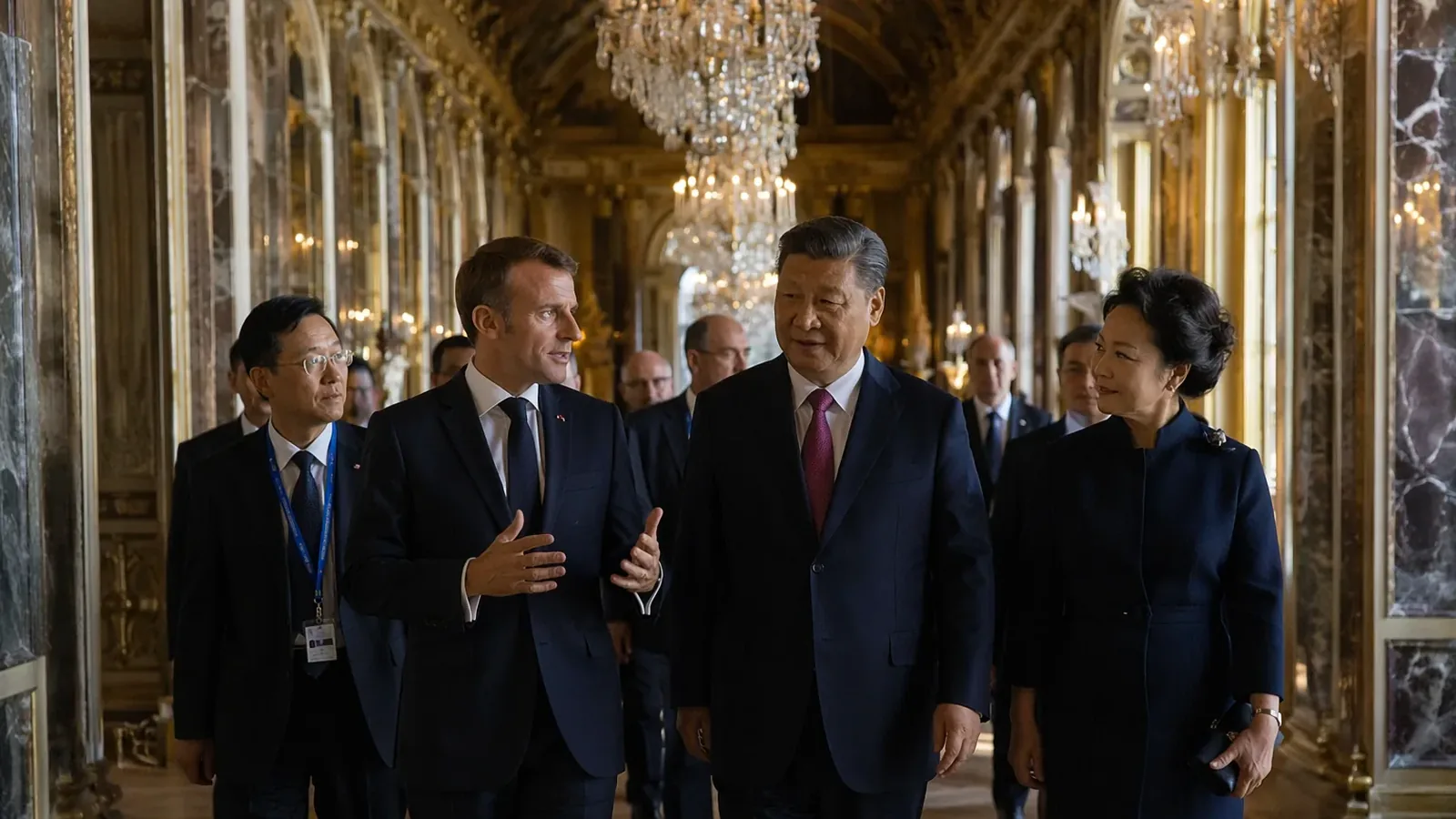
The Palace of Versailles, a symbol of grandeur and power, continues to play host to significant global events centuries after its construction. From its origins as a modest hunting lodge to its transformation into a seat of royal authority, Versailles has evolved into a venue of immense historical and cultural resonance. Its allure lies not only in its opulence but also in its deep association with pivotal moments in history.
A Historic Backdrop for Diplomacy
The Palace of Versailles has long been a stage for monumental decisions. In recent years, it served as the venue for a high-profile dinner between US President Donald Trump and French President Emmanuel Macron, during which a memorandum of understanding to end the war with Iran was signed. This event underscored the palace’s enduring role as a setting for diplomacy.
Such moments harken back to the signing of the Treaty of Versailles in 1919, which formally ended World War I. The treaty, signed in the palace’s iconic Hall of Mirrors, symbolized both victory and humiliation, particularly for Germany, whose delegates were compelled to sign the agreement in the very space where Prussia had declared the German Empire in 1871.
From Modest Beginnings to a Seat of Power
Versailles began as a humble hunting lodge established by Louis XIII in 1623. It was his successor, Louis XIV, who transformed it into a symbol of absolute monarchy and centralized power. By relocating the seat of government to Versailles in 1682, Louis XIV turned the palace into a bustling hub of political and cultural activity. The Paris, Versailles road became one of Europe’s busiest routes, reflecting the palace’s significance.
Louis XIV’s vision extended beyond politics. He used Versailles as a tool to project French artistic and cultural supremacy. The palace’s architecture, gardens, and interiors were designed to showcase French luxury and craftsmanship, setting a benchmark of magnificence that resonated across Europe.
A Stage for Global Prestige
The palace’s grandeur continued to captivate even after the monarchy’s fall. During the French Revolution, Versailles ceased to function as a royal residence, but its legacy endured. In the 19th century, the palace became a symbol of French resilience and pride, even as it witnessed moments of foreign occupation, such as the Prussian headquarters during the Franco-Prussian War.
Today, Versailles remains a sought-after venue for high-profile events. Its gardens have hosted fashion shoots, and its interiors have been the site of extravagant celebrations, including the wedding festivities of Indian industrialist Lakshmi Mittal in 2004. The palace’s image of opulence and exclusivity continues to attract global attention, making it a powerful marketing tool.
A Unique Connection with the United States
Interestingly, Versailles holds a special place in the hearts of many Americans. This connection dates back to France’s support for the American colonies during the War of Independence, notably at the decisive Battle of Yorktown. In the 20th century, American philanthropist John D. Rockefeller Jr. played a crucial role in preserving the palace, contributing millions of dollars to its restoration after years of neglect and damage from World War I. His efforts were so significant that historians credit “American money” with saving Versailles.
A Timeless Symbol
Versailles remains more than just a historical monument; it is a living symbol of power, culture, and diplomacy. Its ability to host events of global significance, centuries after its construction, speaks to its enduring appeal. Whether as a backdrop for peace treaties or a venue for modern celebrations, Versailles continues to dazzle the world, just as Louis XIV intended.
Frequently asked questions
Why do world leaders choose Versailles for diplomacy?
World leaders choose Versailles for its historical significance and grandeur, as it has hosted monumental decisions and events, such as the signing of the Treaty of Versailles in 1919 and a high-profile dinner between US President Trump and French President Macron.
What was the original purpose of the Palace of Versailles?
The Palace of Versailles originally began as a humble hunting lodge established by Louis XIII in 1623 before being transformed into a symbol of absolute monarchy by Louis XIV.
What significant event took place at Versailles in 1919?
In 1919, the Treaty of Versailles was signed in the palace’s Hall of Mirrors, formally ending World War I.
How has Versailles evolved over time?
Versailles evolved from a modest hunting lodge into a seat of royal authority and a venue for political and cultural activities, reflecting its immense historical and cultural resonance.
What types of events are currently held at Versailles?
Today, Versailles hosts high-profile events, fashion shoots, and extravagant celebrations, maintaining its image of opulence and exclusivity.
You may also like
 Tamil Nadu
Tamil Nadu corruption debate from 1950s peaks with DMK government dismissal in 1976
 International
Zhu Rongji's Death Marks End of an Era in US-China Relations
 National
Malaysia's Monarchy Gains Influence Amid Political Turmoil
 National
Book on Telangana's History Launched at ATA Conference in Baltimore
Most read
- 1
Air China Adds Extra Flight for Passengers Stranded in Fuel-Starved Cuba
- 2
Western disturbance to bring rain, hail and strong winds across north India
- 3
Yogi Adityanath Directs No Occupied Houses Be Demolished for Achhalda Bridge
- 4
Gwalior Temple Truck Crash Kills 12, Injures 28-29 Devotees During Navratri
- 5
Schools Shut in Five Tamil Nadu Districts, Including Chennai, Amid Heavy Rain
Comments
No comments yet. Be the first to comment.