
Tamil Nadu corruption debate from 1950s peaks with DMK government dismissal in 1976
How corruption shaped Tamil Nadu's political landscape from the 1950s through the mid-1970s, from cinema to DMK government dismissal.

When Corruption Dominated Tamil Nadu Politics Until the Mid-1970s
Current Chief Minister C. Joseph Vijay's call for "zero tolerance" towards corruption echoes a political debate that consumed Tamil Nadu from the 1950s through the mid-1970s, reaching its peak with the Centre's dismissal of the DMK government in January 1976 on charges of "maladministration, corruption, and misuse of power".
Early Warnings in Cinema and Legislature
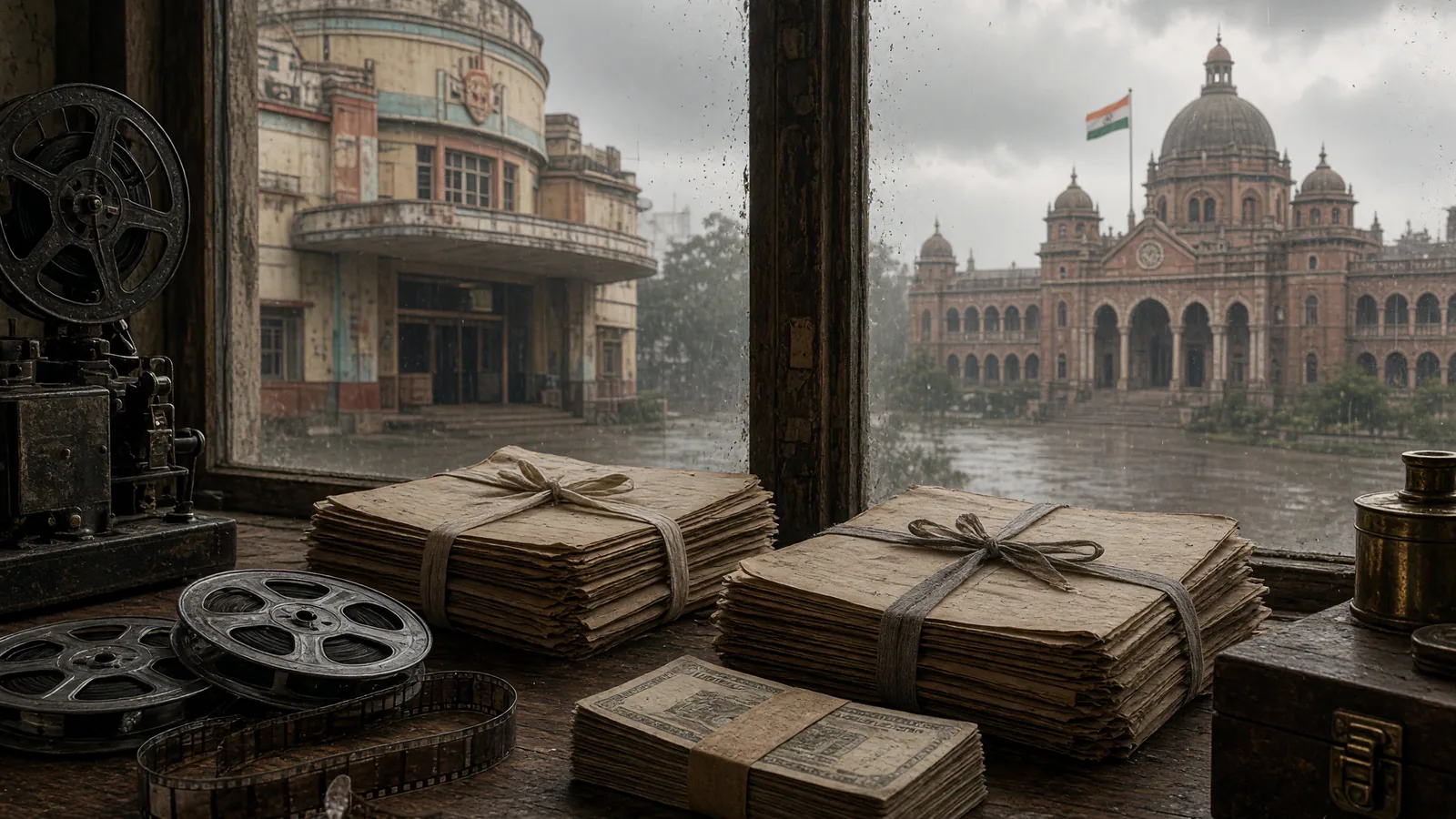
The issue entered popular discourse through the 1952 film Parasakthi, written by 28-year-old M. Karunanidhi, which portrayed the Congress government as "feckless" and catapulted both Karunanidhi and lead actor 'Sivaji' Ganesan into fame while paving the way for DMK's growth. By 1957, the Estimates Committee of MLAs was discussing corruption in government hospitals, with the Director of Medical Services proposing to initially examine Chennai's Government General Hospital. Finance Minister M. Bhaktavatsalam outlined anti-corruption measures in July 1962, and after becoming Chief Minister, proposed a vigilance body to tackle corruption in local bodies in early 1964. His ministry faced a no-confidence motion in August 1966 over charges of "corruption, favouritism and nepotism" levelled by DMK's V.R. Nedunchezhian.
DMK Era and Internal Ruptures
After the DMK captured power in 1967, the corruption debate intensified. Veteran writer Jayakanthan commented in 1975 that "in the city [Chennai] corporation, controlled by the DMK, corruption had come to be acknowledged as an ethic in itself". Internal fissures emerged when DMK treasurer M.G. Ramachandran exited the party in October 1972 specifically over corruption issues, followed by Harijan Welfare Minister Sathyavani Muthu's departure about 18 months later. Karunanidhi publicly offered in March 1972 to resign if specific corruption charges against him were proven, stating he was prepared to punish even his own son if involved in corrupt practices.
National Spotlight and Presidential Intervention
The discourse gained national dimensions when Union Home Minister Uma Shankar Dikshit remarked in July 1974 that Tamil Nadu had "the corruption is maximum in the country," triggering a sharp exchange with Karunanidhi. Sarvodaya leader Jayaprakash Narayan, who had led successful anti-corruption movements forcing Gujarat's Chimanbhai Patel out in February 1974 and Bihar's Abdul Ghafoor to resign in April 1975, became embroiled in the Tamil Nadu debate. MGR criticized Jayaprakash Narayan in May 1975 for taking a "totally different attitude to the corrupt government" in Tamil Nadu, while the latter clarified he had given no "clean chit" to Karunanidhi but lacked time to investigate allegations.
The controversy culminated on January 31, 1976, when President Fakhruddin Ali Ahmed dissolved the Tamil Nadu Assembly and imposed President's rule, appointing Supreme Court judge R.S. Sarkaria to head a commission of inquiry.
Source: The Hindu
Frequently asked questions
What led to the dismissal of Tamil Nadu's DMK government in 1976?
The Centre dismissed the DMK government on January 31, 1976, on charges of maladministration, corruption, and misuse of power. President Fakhruddin Ali Ahmed dissolved the Tamil Nadu Assembly and imposed President's rule.
When did corruption become a major political issue in Tamil Nadu?
Corruption dominated Tamil Nadu politics from the 1950s through the mid-1970s. The issue entered popular discourse through the 1952 film Parasakthi, and by 1957, the Estimates Committee of MLAs was discussing corruption in government hospitals.
Which DMK leaders left the party over corruption concerns?
DMK treasurer M.G. Ramachandran exited the party in October 1972 specifically over corruption issues, followed by Harijan Welfare Minister Sathyavani Muthu's departure about 18 months later.
What did Union Home Minister Uma Shankar Dikshit say about Tamil Nadu's corruption?
In July 1974, Union Home Minister Uma Shankar Dikshit remarked that Tamil Nadu had 'the corruption is maximum in the country,' which triggered a sharp exchange with Chief Minister Karunanidhi.
You may also like
 Tamil Nadu
Tamil Nadu CM Vijay Gives ₹5.96 Crore Aid To Families Of Police Personnel
 Tamil Nadu
Tamil Nadu keeps special officers in charge of rural bodies till April 2027
 Politics
Tamil Nadu guest lecturers await government order for ₹5,000 honorarium hike
 Weather
Assessment flags cyclonic wind, flood risks to telecom towers in Assam, Tamil Nadu
Most read
- 1
Air China Adds Extra Flight for Passengers Stranded in Fuel-Starved Cuba
- 2
Western disturbance to bring rain, hail and strong winds across north India
- 3
Yogi Adityanath Directs No Occupied Houses Be Demolished for Achhalda Bridge
- 4
Schools Shut in Five Tamil Nadu Districts, Including Chennai, Amid Heavy Rain
- 5
Gwalior Temple Truck Crash Kills 12, Injures 28-29 Devotees During Navratri
Comments
No comments yet. Be the first to comment.