
Zhu Rongji's Death Marks End of an Era in US-China Relations
Zhu Rongji's passing highlights the lost potential for US-China relations and his legacy of diplomacy and economic reform.

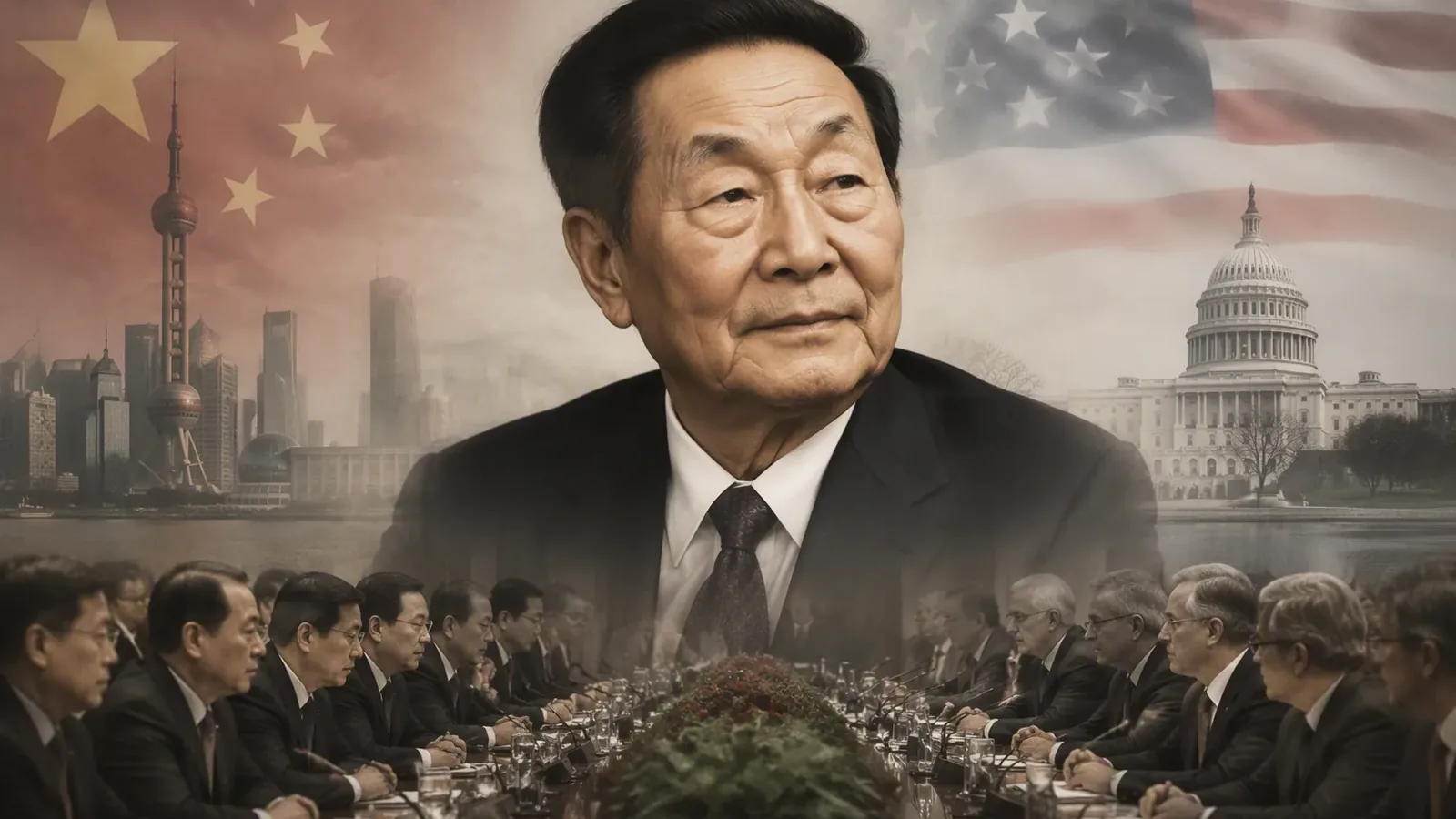
The passing of Zhu Rongji, former Chinese premier and a pivotal figure in modern Chinese politics, underscores the loss of a leader who once embodied the potential for constructive US-China relations. Zhu, who was instrumental in China’s economic transformation, took significant personal risks to foster dialogue between the two nations during a fraught period in their history.
A Risky Diplomatic Mission After Tiananmen
In the aftermath of the 1989 Tiananmen Square crackdown, Zhu, then mayor of Shanghai, became the first high-ranking Chinese official to visit the United States. The trip, organized by the National Committee on United States-China Relations in the mid-1990s, came at a time when US-China relations were at a historic low due to international outrage over the events of June 4, 1989.
Zhu’s visit was fraught with challenges. He faced the possibility of harsh criticism from Americans angered by the Chinese government’s actions, while also needing to avoid appearing overly conciliatory to Western audiences, a stance that could have sparked nationalist backlash at home. Balancing these conflicting pressures, Zhu sought to rebuild trust and demonstrate that cooperation between the US and China was in the global interest.
A Leader Caught Between Worlds
Zhu’s diplomatic tightrope walk was emblematic of his broader political career. He was praised internationally for his reformist vision and pragmatic leadership, but he remained acutely aware of the political sensitivities within China’s Communist Party. During his US visit, Zhu reportedly expressed frustration at being labeled “China’s Gorbachev” by the American press, a comparison that could have jeopardized his standing in Beijing. “I am not China’s Gorbachev, I am China’s Zhu Rongji,” he said, signaling his commitment to China’s unique path of development.
A Legacy of Pragmatism and Global Engagement
Zhu’s tenure as a leader coincided with a period when China was emerging on the global stage but had not yet attained its current status as a superpower. His willingness to engage with the US, even under difficult circumstances, reflected his belief that strong Sino-American ties were crucial for China’s development and global stability.
His death serves as a poignant reminder of a time when leaders on both sides sought common ground despite profound differences. As US-China relations face renewed tensions, Zhu Rongji’s legacy highlights what has been lost in the decades since his efforts to bridge the divide.
Source: South China Morning Post
Frequently asked questions
Who was Zhu Rongji?
Zhu Rongji was a former Chinese premier and a pivotal figure in modern Chinese politics, known for his role in fostering US-China relations.
What significant event did Zhu Rongji participate in after the Tiananmen Square crackdown?
Zhu Rongji became the first high-ranking Chinese official to visit the United States after the Tiananmen Square crackdown in 1989.
What challenges did Zhu face during his diplomatic mission to the US?
Zhu faced potential criticism from Americans due to the Chinese government's actions and needed to avoid appearing overly conciliatory to prevent nationalist backlash in China.
What was Zhu Rongji's view on US-China relations?
Zhu believed that strong Sino-American ties were crucial for China's development and global stability.
What does Zhu Rongji's death signify for US-China relations?
His death serves as a reminder of a time when leaders sought common ground in US-China relations, highlighting what has been lost in recent decades.
You may also like
 International
Zhu Rongji, architect of China's economic reforms, dies at 97
 International
China to Lower Flags for Former Premier Zhu Rongji's Funeral
 International
China's Communist Party Sets October Date for Key Leadership Plenary
 International
China’s Gold Rise Shows Strategy Beat Scarce Reserves, Columnist Says
Most read
- 1
Air China Adds Extra Flight for Passengers Stranded in Fuel-Starved Cuba
- 2
Western disturbance to bring rain, hail and strong winds across north India
- 3
Yogi Adityanath Directs No Occupied Houses Be Demolished for Achhalda Bridge
- 4
Gwalior Temple Truck Crash Kills 12, Injures 28-29 Devotees During Navratri
- 5
Schools Shut in Five Tamil Nadu Districts, Including Chennai, Amid Heavy Rain
Comments
No comments yet. Be the first to comment.