
Trump-Iran MoU Aims to Restore Pre-Conflict Conditions Amid Key Omissions
The new Trump-Iran MoU aims to restore pre-conflict conditions but misses crucial issues like ballistic missiles. Key negotiations ahead.

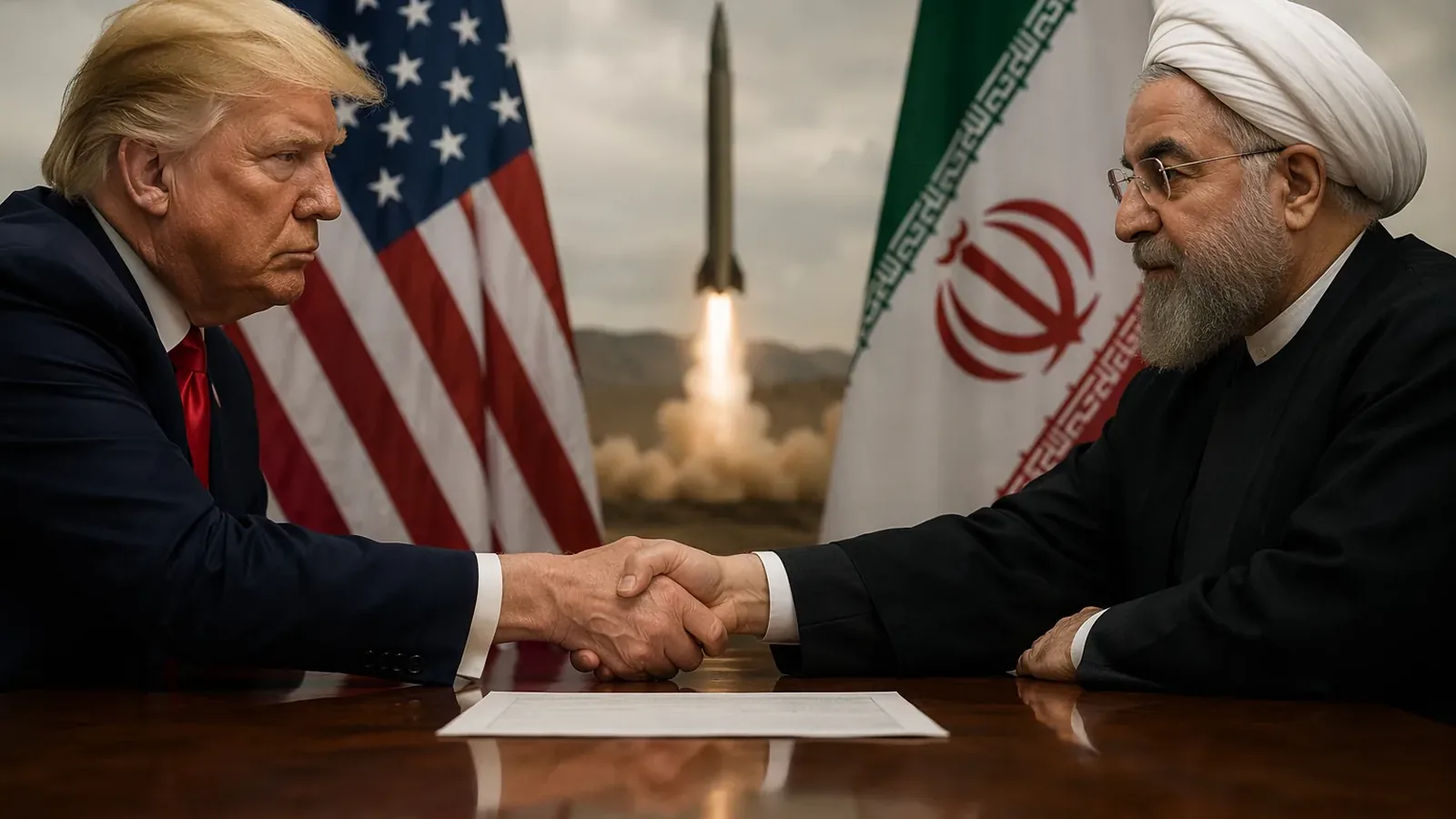
The Trump-Iran MoU Restores the Status Quo, With Key Exceptions
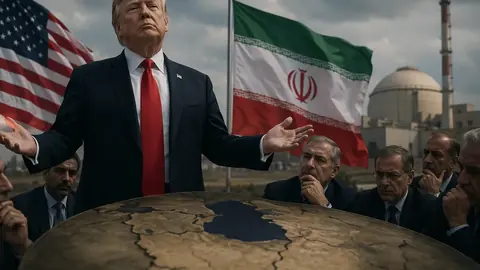
The recently signed Memorandum of Understanding (MoU) between the United States and Iran marks a significant step toward restoring pre-conflict conditions, albeit with notable omissions and challenges. The 14-point MoU, signed by US President Donald Trump last Sunday on his 80th birthday and again on Thursday during a dinner hosted by French President Emmanuel Macron, outlines a framework for further negotiations over the next 60 days.
Although Iran was not present at the Versailles signing, it simultaneously released the text of the MoU following media leaks. The agreement includes commitments from both sides: Iran has pledged never to produce nuclear weapons, while the US has already lifted its naval blockade and agreed to restore full shipping capacity through the Strait of Hormuz within 30 days. Additionally, the US will issue waivers for Iranian crude oil exports and other services.
The MoU also calls for an immediate and permanent cessation of hostilities on all fronts, including Lebanon, and prohibits threats of force between the two nations. Both parties are expected to address the fate of Iran's enriched nuclear material, with the final agreement set to be ratified through a binding UN Security Council resolution.
However, the MoU does not address two critical issues: Iran’s ballistic missile program and its support for regional proxies. These omissions have drawn criticism and could resurface during the upcoming negotiations, given pressure from Republicans, Israel, and Gulf nations. The agreement largely restores the pre-war status quo, including the reopening of the Strait of Hormuz, which had been blocked since the start of Operation Epic Fury on February 28.
The negotiations follow months of heightened tensions, including a US-Israel joint attack on Iran and three prior rounds of US-Iran discussions. While the talks have returned to earlier positions, a key difference is the US’s decision to waive sanctions on Iranian oil exports and provide assurances regarding frozen Iranian assets.
Iran has also signaled a willingness to compromise on uranium enrichment. While it previously offered to transfer its 60% enriched uranium to a third country, it now proposes to down-blend the material to below 5% and suspend enrichment for 10 to 15 years. Iran has also reiterated its commitment to never produce nuclear weapons, a stance it has consistently maintained under the Nuclear Non-Proliferation Treaty (NPT). Notably, Tehran has effectively waived the NPT’s withdrawal clause, despite enduring significant conflicts in recent years.
The agreement has also secured a ceasefire in Lebanon, where Iran faced significant strategic losses, including the killing of Hezbollah leader Hassan Nasrallah and the near-collapse of the group’s military capabilities. While this development has been seen as a victory for Iran, the MoU has also delivered economic and political benefits for President Trump, including a sharp drop in oil prices and a stock market rally.
Domestically, reactions to the MoU have been mixed. Trump’s supporters view it as a validation of his “maximum pressure” strategy, while traditional Republicans remain skeptical, fearing that Iran may use the 60-day negotiation period as a stalling tactic. Democrats, on the other hand, have criticized the framework as vague and insufficiently robust.
Globally, the MoU has been met with cautious optimism, though significant hurdles remain. Israel, which perceives itself as the biggest loser in the deal, has fiercely opposed the agreement, particularly over its implications for Lebanon. Iran is expected to demand a full Israeli withdrawal from Lebanon during the negotiations, a potential flashpoint that could derail progress.
Adding to the complexity, Trump has hinted at involving Syria in handling Hezbollah, leveraging the strained relationship between the Syrian leadership and the militant group. While the MoU has raised hopes for lasting peace, the path forward is fraught with challenges.
Frequently asked questions
What is the Trump-Iran MoU and when was it signed?
The Memorandum of Understanding (MoU) is a 14-point agreement between the United States and Iran aimed at restoring pre-conflict conditions. It was signed by US President Donald Trump on his 80th birthday last Sunday and again on Thursday during a dinner hosted by French President Emmanuel Macron.
What are the main commitments from both sides?
Iran has pledged never to produce nuclear weapons. The US has lifted its naval blockade, agreed to restore full shipping capacity through the Strait of Hormuz within 30 days, and will issue waivers for Iranian crude oil exports and other services.
What critical issues does the MoU not address?
The MoU does not address Iran's ballistic missile program or its support for regional proxies. These omissions have drawn criticism and may resurface during upcoming negotiations.
What has Iran agreed to regarding its nuclear material?
Iran has signaled willingness to down-blend its 60% enriched uranium to below 5% and suspend enrichment for 10 to 15 years. Iran has also reiterated its commitment to never produce nuclear weapons under the Nuclear Non-Proliferation Treaty (NPT).
You may also like
 International
Trump's Iran Deal Offers Economic Relief, Contradicts Surrender Demands
 International
Xi Jinping's diplomatic blitz ahead of Trump meeting signals Beijing's broader global reach
 International
Trump considers ending Iran conflict without new nuclear deal
 International
Trump's Iran Deal Faces Skepticism Over Durability and Clarity
Most read
- 1
Air China Adds Extra Flight for Passengers Stranded in Fuel-Starved Cuba
- 2
Western disturbance to bring rain, hail and strong winds across north India
- 3
Yogi Adityanath Directs No Occupied Houses Be Demolished for Achhalda Bridge
- 4
Gwalior Temple Truck Crash Kills 12, Injures 28-29 Devotees During Navratri
- 5
Schools Shut in Five Tamil Nadu Districts, Including Chennai, Amid Heavy Rain
Comments
No comments yet. Be the first to comment.