
Rising Awareness of Low Ovarian Reserve Among Indian Women Before Pregnancy
Learn about low ovarian reserve, its implications for pregnancy, and what Indian women should know before family planning.

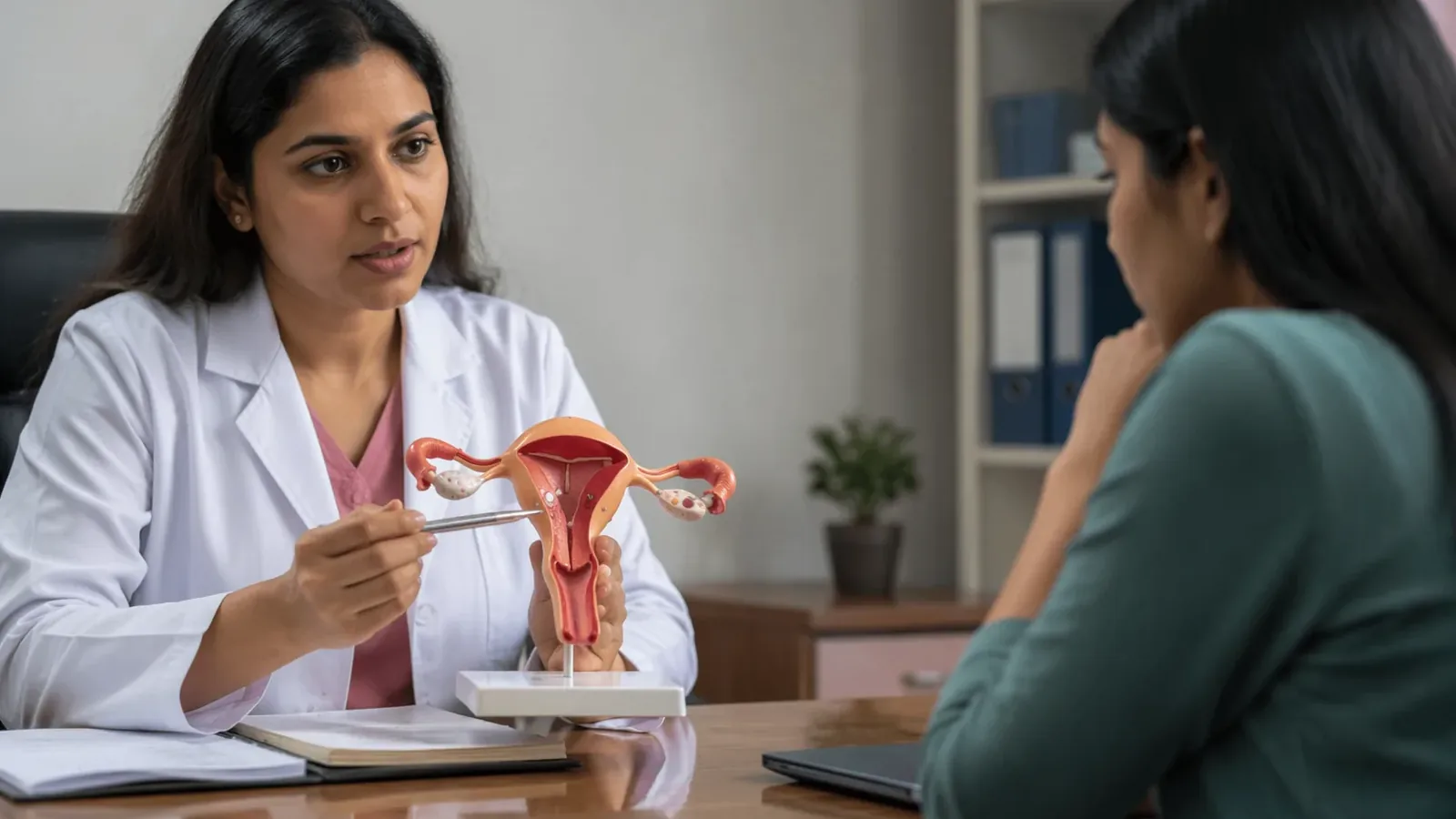
More Indian Women Are Discovering They Have Low Ovarian Reserve: What Doctors Want You to Know Before Planning Pregnancy
The age at which women choose to start their families is shifting. Factors like higher education, demanding careers, financial goals, and a general sense of unpreparedness for motherhood in their twenties are leading many women to delay pregnancy. However, fertility operates on its own biological timeline, which doesn’t always align with life plans. One issue that fertility specialists are encountering more frequently is low ovarian reserve.
What Is Low Ovarian Reserve?
Low ovarian reserve refers to having fewer eggs in the ovaries than expected for a woman’s age. It is not the same as infertility. Dr. Kriti Tiwari, Chief IVF Specialist at SHE Delhi Hospital, explains, “Low ovarian reserve does not always mean you cannot get pregnant, but chances can be lower.” This distinction is crucial, as it highlights that while the condition can influence family planning, it does not necessarily eliminate the possibility of conception.
Why Does It Happen?
Women are born with a fixed number of eggs, determined before birth. Unlike other cells in the body, eggs cannot regenerate. Over time, both the quantity and quality of eggs naturally decline. For most women, fertility begins to decrease gradually after age 30, with a sharper decline in the mid-to-late thirties. However, some women experience this decline much earlier due to factors like genetics, previous ovarian surgeries, endometriosis, autoimmune disorders, chemotherapy, or other illnesses.
A study conducted in India found that nearly 29% of women under 30 seeking fertility treatment already had lower-than-expected levels of Anti-Müllerian Hormone (AMH), a marker of ovarian reserve. This raises concerns that ovarian ageing may be happening earlier in some Indian women.
The Silent Nature of Low Ovarian Reserve
One of the challenges with low ovarian reserve is its lack of obvious symptoms. Many women feel completely healthy and may even have regular menstrual cycles. Some may notice irregular periods, but others only discover the condition when they face difficulties conceiving.
Doctors typically assess ovarian reserve through blood tests and ultrasound scans. AMH testing is commonly used to estimate the remaining egg supply, while ultrasound scans count small follicles in the ovaries. However, experts caution against interpreting AMH levels in isolation, as age, overall health, and egg quality also play significant roles in fertility.
What Can Women Do?
A diagnosis of low ovarian reserve can be emotionally overwhelming, but it does not mean hope is lost. Many women with this condition conceive naturally, while others may require fertility treatments. Early diagnosis is key, as it allows women to plan their fertility options, such as trying to conceive sooner or considering egg freezing.
Egg freezing, or fertility preservation, is an option for women who wish to delay pregnancy. While it may not be necessary for everyone, understanding ovarian reserve early can help women make informed decisions and avoid unexpected challenges later.
Can It Be Prevented?
There is no way to prevent the natural decline in ovarian reserve, and no diet, supplement, or miracle remedy can increase the number of eggs. However, maintaining a healthy lifestyle, such as eating a balanced diet, avoiding smoking, exercising regularly, and managing chronic illnesses, can support overall reproductive health.
The emotional impact of low ovarian reserve should not be overlooked. Fertility challenges often bring feelings of anxiety, guilt, and isolation. Support from family, counselling, and support groups can be as important as medical treatments in navigating this journey.
The Importance of Awareness
Ultimately, awareness is the most powerful tool. Women are encouraged to have early conversations with gynecologists, understand their family history, and seek timely medical advice. These steps can provide women with the knowledge and choices they need to plan their future with confidence.
Frequently asked questions
What is low ovarian reserve?
Low ovarian reserve refers to having fewer eggs in the ovaries than expected for a woman’s age, which can affect fertility but does not necessarily mean a woman cannot get pregnant.
What causes low ovarian reserve?
Low ovarian reserve can be caused by factors such as genetics, previous ovarian surgeries, endometriosis, autoimmune disorders, chemotherapy, or other illnesses.
How is low ovarian reserve diagnosed?
Doctors typically assess ovarian reserve through blood tests and ultrasound scans, with AMH testing commonly used to estimate the remaining egg supply.
Can women with low ovarian reserve still conceive?
Yes, many women with low ovarian reserve can conceive naturally, although some may require fertility treatments.
What options do women have if diagnosed with low ovarian reserve?
Women diagnosed with low ovarian reserve can consider options such as trying to conceive sooner or egg freezing for fertility preservation.
You may also like
 Entertainment
Kourtney Kardashian and Travis Barker share miscarriage story before welcoming son Rocky
 Politics
BJP MP Gulam Ali Khatana alleges Pakistan orchestrated OIC’s anti-India resolutions
 Politics
Jaishankar Welcomes UAE Foreign Minister Sheikh Abdullah in Mumbai for Talks
 Delhi NCR
India’s Agrivoltaic Capacity Expected To Cross 5 GW In 3-4 Years
Most read
- 1
Air China Adds Extra Flight for Passengers Stranded in Fuel-Starved Cuba
- 2
Western disturbance to bring rain, hail and strong winds across north India
- 3
Yogi Adityanath Directs No Occupied Houses Be Demolished for Achhalda Bridge
- 4
Gwalior Temple Truck Crash Kills 12, Injures 28-29 Devotees During Navratri
- 5
Schools Shut in Five Tamil Nadu Districts, Including Chennai, Amid Heavy Rain
Comments
No comments yet. Be the first to comment.