
India diverts 350,000 tonnes of sugar to curb price surge that hit record highs
India redirects sugar stockpiles to domestic market as prices hit record highs. Country shifts from exporter to importer, planning 1 million tonne import.

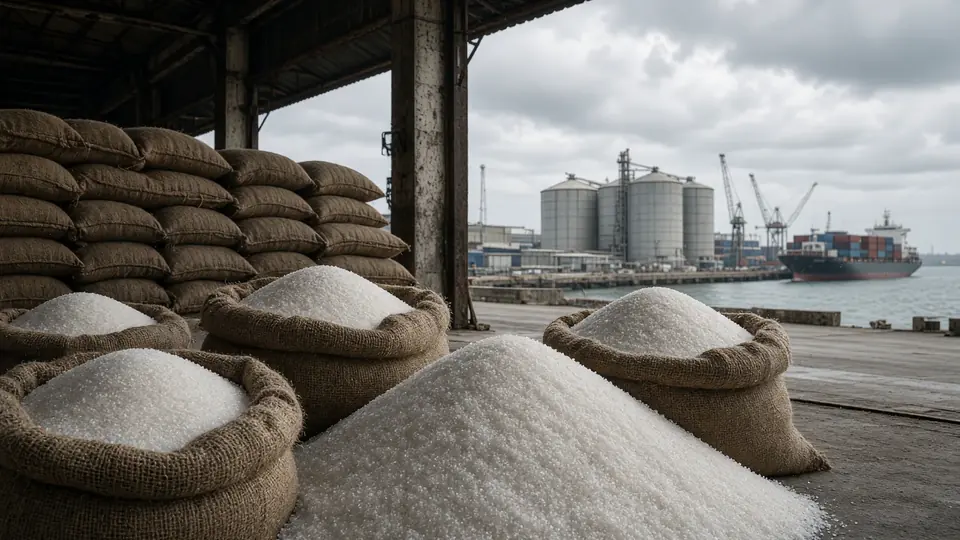
Indian sugar refineries will release 350,000 tonnes of stockpiles originally earmarked for export into the domestic market within a week, sources familiar with the matter confirmed, a move that could meet the world's most populous nation's total demand for nearly five days.
The diversion comes as authorities attempt to control prices that hit record highs last week, capping a two-month surge that has seen sugar costs jump nearly 40%. A kilogram that sold for 40-45 rupees in May-June was trading above 58-60 rupees in several markets by August, although prices have started to ease slightly.
From Exporter to Importer in One Season
The crisis has forced India, the world's second-largest sugar producer, to import 1 million tonnes for the first time in nearly a decade. The imports will come through sugar refineries in special economic zones near ports, which typically import raw sugar for refining and re-export but will now be allowed to sell duty-free sugar domestically for three months starting 1 September.
The policy reversal exposes a sharp miscalculation. The government initially approved exports of 1.5 million tonnes this season, adding another 500,000 tonnes in February. Nearly 800,000 tonnes had shipped before exports were halted in May. "From allowing exports at the start of the season to ending with an import of a million tonnes is a large variation on production estimates - and that's a big surprise," said Vikram Suryavanshi, a senior analyst at PhillipCapital India.
Production Collapse Strains Tight Margins
Production in the current season running from October 2025 to September 2026 is now expected to reach only 30.6 million tonnes, 11% below the government's earlier estimate of 34.3 million tonnes. The shortfall leaves little breathing room: India consumed more than 28 million tonnes last season, and nearly three million tonnes is expected to be diverted to ethanol production.
The government has blamed lower sugarcane production linked to reduced rainfall during El Niño, hoarding and tighter global supplies. But experts point to flawed forecasts. "This year, the initial projections for sugarcane production did not materialise due to unusual weather in some parts and disease in certain varieties," said Siraj Hussain, a former secretary at the federal agriculture ministry. The government has not explained why the shortfall's scale was not identified before exports were halted on 13 May, though it has cited sugarcane disease and waterlogging from excessive rainfall.
Festive Season and Global Squeeze
The timing intensifies the challenge. Demand surges from August through festivals including Ganesh Chaturthi, Dussehra and Diwali, leading into the busy wedding season as food and beverage companies stock up for one of their busiest sales periods.
India's import decision arrives as global supplies tighten. El Niño has affected rainfall in Thailand, heavy rain has disrupted cane harvesting in Brazil, and heatwaves have battered Europe's sugar beet crop, with France expecting its worst harvest in four years. US government forecasters expect global production to fall to 184.9 million tonnes this season from a record 186.1 million tonnes the year before. London white sugar futures hit $541 a tonne in mid-August, their highest since April 2025, while New York raw sugar futures jumped 4% the day India announced its imports.
The Indian Sugar Mills Association has asked mills to begin crushing cane a fortnight earlier than usual to build stocks as the new harvest arrives in October, but that crop also faces risks from erratic weather. Sugarcane is highly water-intensive, and uneven monsoon rains and prolonged dry spells in Maharashtra, Uttar Pradesh and Karnataka have affected the crop, with yields expected to fall. "Looking at the climate conditions, the next season is also not going to be a bumper crop, although it is too early for actual assessment," said Atul Chaturvedi, non-executive director of Shree Renuka Sugars, India's largest sugar refiner.
The government has capped stocks held by traders and wholesalers at 400 tonnes for three months to curb hoarding. Deepak Ballani of the Indian Sugar Mills Association argues speculation and hoarding, rather than genuine shortage, are driving prices higher. But Suryavanshi notes India has used such measures before, yet prices continued climbing after the latest restrictions were announced, suggesting a real supply squeeze.
Chaturvedi said the bigger lesson is clear: it is a "warning that going forward, we need to be a lot more careful in estimating our sugar crop numbers".
Frequently asked questions
Why is India diverting 350,000 tonnes of sugar to its domestic market?
India is diverting 350,000 tonnes of sugar stockpiles from export to the domestic market to control prices that hit record highs and surged nearly 40% over two months, with sugar prices jumping from 40-45 rupees per kilogram in May-June to above 58-60 rupees by August.
How did India shift from exporting sugar to importing it?
India initially approved exports of 1.5 million tonnes for the season, then added another 500,000 tonnes in February. However, production collapsed to 30.6 million tonnes, 11% below the 34.3 million tonnes estimated, forcing India to import 1 million tonnes for the first time in nearly a decade starting September 1st.
What caused India's sugar production to fall short?
Production fell short due to lower sugarcane yields linked to reduced rainfall during El Niño, sugarcane disease, waterlogging from excessive rainfall in some regions, and hoarding. Experts also point to flawed initial forecasts that failed to account for unusual weather and disease in certain sugarcane varieties.
Why is the timing of this sugar crisis particularly challenging?
The crisis coincides with India's peak demand season from August through major festivals including Ganesh Chaturthi, Dussehra, and Diwali, followed by the busy wedding season when food and beverage companies stock up for their busiest sales period.
You may also like




Most read
- 1
Tesla audits Chinese suppliers to scale up Optimus robot production
- 2
Former minister Lakhan Singh Rajput to inaugurate temple bhandara at Shri Chakreshwar Mahadev
- 3
Firozabad BSA finds four government schools locked during inspection
- 4
Tamil Nadu dengue cases fall for third consecutive year to 17,049
- 5
Social workers stage silent protest at Fufund railway station for train halts
Comments
No comments yet. Be the first to comment.