
Humidity and Pollution: Key Factors Behind Summer Acne in Delhi
Discover how humidity and pollution contribute to acne outbreaks, especially in cities like Delhi. Learn about the effects on your skin.

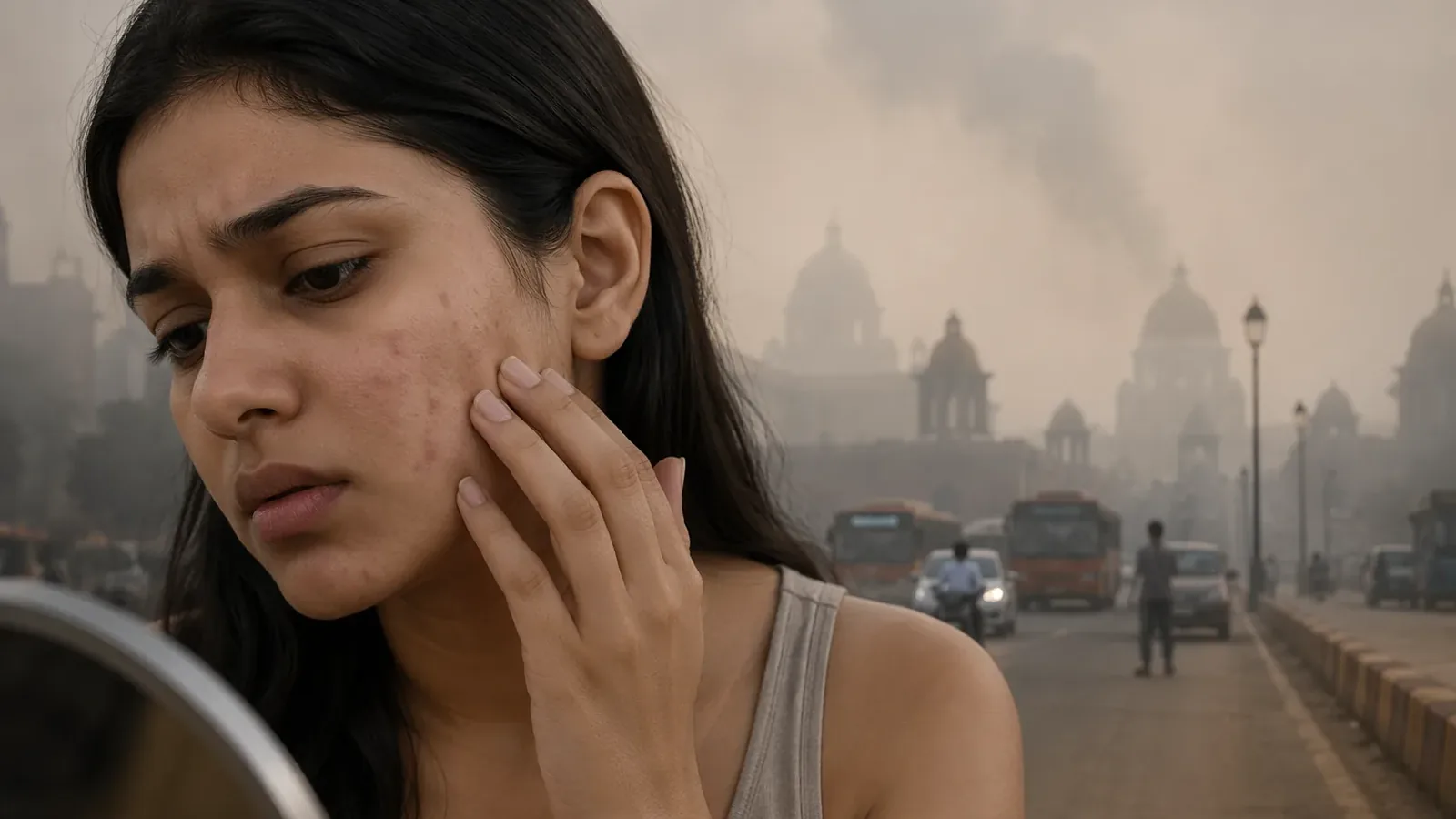
health Humidity and Acne: How Sweat Mixes with Pollution to Clog Pores
Introduction
Acne outbreaks during summer are a common struggle for many, especially in Delhi. The period from April to September brings not only intense heat but also a surge in acne, often resistant to typical cleansers. The root cause lies in the interplay of a humid climate, sweat, and the city’s severe air pollution.
Humidity and Its Impact on Skin
Human skin hosts two to four million sweat glands that become particularly active during humid months. Sweat itself, composed mainly of salt and water, is harmless. However, in high humidity, sweat fails to evaporate quickly, forming a thin oily layer when mixed with sebum produced by the body.
This oily-salty film compromises the skin’s outer layer, known as the stratum corneum, and blocks its openings. Dead skin cells, which normally shed, get trapped, clogging hair follicles and leading to acne manifestations like blackheads and whiteheads.
Pollution’s Role in Worsening Acne
Delhi’s air quality exacerbates acne issues. The city ranks among the most polluted globally, with air saturated by PM2.5 particles, vehicle exhaust, construction dust, and industrial emissions. These microscopic pollutants are often smaller than skin pore openings, allowing them to penetrate deeply.
Once pollutants settle on the skin, they mix with sebum and infiltrate follicles, carrying harmful substances like polycyclic aromatic hydrocarbons (PAHs) and heavy metals. These pollutants trigger oxidative stress in skin cells, which scientists have linked to increased sebum production and inflammation, further aggravating acne.
The Role of Bacteria in Acne Formation
Warm, humid conditions create an ideal environment for Cutibacterium acnes (formerly Propionibacterium acnes), the bacteria responsible for acne inflammation. When pores are clogged and humid, they act like petri dishes, amplifying immune responses due to pollution particles. This results in inflammation that transforms clogged pores into pimples.
Effective Measures Against Acne
Combatting acne in Delhi requires a combination of prevention and treatment. Noncomedogenic sunscreens offer limited protection against particulate matter, while salicylic acid gels help break down oils without over-drying the skin. Washing the face promptly after outdoor exposure prevents pollutant buildup.
Antioxidant serums, such as niacinamide, regulate sebum production, while Vitamin C counters free radicals generated by pollution deposits. These measures collectively address the harmful effects of humidity and pollution on the skin.
Conclusion
Acne in Delhi is not a reflection of poor hygiene but a physiological response to an environment hostile to skin health. Understanding the interplay of sweat, humidity, and pollution highlights the need for scientific solutions rather than stigma. By addressing the root causes, individuals can manage acne effectively and protect their skin from environmental damage.
By Dr. Ruben Bhasin Passi, Consultant, Dermatologist, CK Birla Hospital, Gurugram.
Frequently asked questions
What are the main causes of summer acne in Delhi?
The main causes of summer acne in Delhi are high humidity, sweat, and severe air pollution.
How does humidity contribute to acne formation?
Humidity causes sweat to mix with sebum, forming an oily layer that clogs pores and traps dead skin cells, leading to acne.
What role does pollution play in worsening acne?
Pollution introduces harmful particles that penetrate the skin, triggering oxidative stress and increasing sebum production, which aggravates acne.
What measures can be taken to combat acne in Delhi?
Effective measures include using noncomedogenic sunscreens, salicylic acid gels, washing the face after outdoor exposure, and applying antioxidant serums like niacinamide and Vitamin C.
You may also like
 Politics
Delhi Police Detain Cockroach Janata Party Founder Before Proposed Connaught Place March
 Uttar Pradesh
Colors for Peace Brings 1,500 Students Together in New Delhi
 Weather
Delhi-NCR May See Six Days Of Rain As Yellow Alert Issued
 Politics
CJP Protest Delhi: Abhijeet Dipke, 2 Others Released on One-Year Peace Bond
Most read
- 1
Air China Adds Extra Flight for Passengers Stranded in Fuel-Starved Cuba
- 2
Western disturbance to bring rain, hail and strong winds across north India
- 3
Yogi Adityanath Directs No Occupied Houses Be Demolished for Achhalda Bridge
- 4
Gwalior Temple Truck Crash Kills 12, Injures 28-29 Devotees During Navratri
- 5
Schools Shut in Five Tamil Nadu Districts, Including Chennai, Amid Heavy Rain
Comments
No comments yet. Be the first to comment.