
Dr. Mustafa Kamal, Advocate for J&K Autonomy, Dies at 84
Dr. Mustafa Kamal, a key advocate for J&K's pre-1953 autonomy, passed away in Srinagar at 84, leaving a significant political legacy.

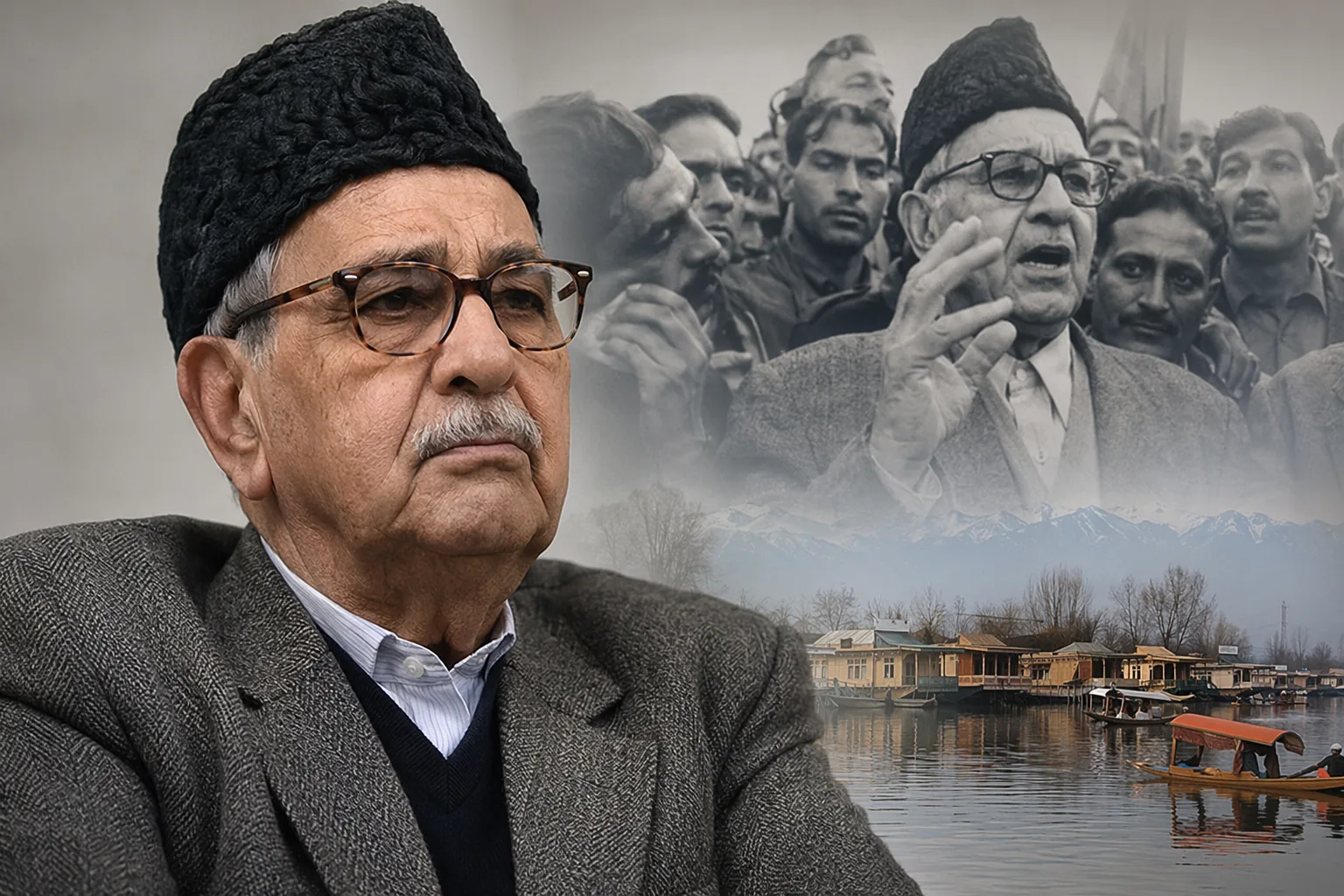
Dr. Sheikh Mustafa Kamal, a prominent figure in Jammu and Kashmir politics and a steadfast advocate for the region’s pre-1953 autonomy, passed away on Tuesday in Srinagar at the age of 84. Kamal, the younger brother of National Conference (NC) president Dr. Farooq Abdullah and uncle of former J&K Chief Minister Omar Abdullah, had been battling illness for several months. His condition worsened four days prior to his death, according to an NC spokesperson. He was receiving treatment at a private hospital in Srinagar.
A Lifelong Advocate for J&K’s Autonomy
Kamal was one of the few voices within the NC to consistently call for the restoration of Jammu and Kashmir’s pre-1953 position. This position, he argued, was critical to resolving the region’s long-standing political uncertainty. Kamal often criticized the Congress party for its role in the 1953 arrest of his father, Sheikh Muhammad Abdullah, the founder of the NC, an event he described as a “black day.”
In interviews, Kamal attributed the 1989 militant uprising in J&K to the “unilateral and unconstitutional erosion” of the region’s special status since 1953. He called for a return to the pre-1953 arrangement, under which Jammu and Kashmir retained autonomy over all matters except communication, external affairs, and defense. “The Delhi Agreement of 1952 and Article 370 of the Constitution based on the Instrument of Accession of Late Maharaja Hari Singh were the basis of J&K’s relationship with the Centre,” Kamal had said.
A Career Marked by Controversy and Service
Kamal’s political career was not without controversy. His outspoken opposition to the Armed Forces Special Powers Act (AFSPA) often put him at odds with the Indian Army. He also made headlines with his sharp comments, including calling Congress leader Makhan Lal Fotedar an “Asteen Ka Saanp” (snake in the sleeve), a remark that led the NC to distance itself from him. His criticism of Rahul Gandhi in 2012 further strained the NC’s ties with its then-coalition partner, the Congress, leading to his removal as the party’s spokesperson.
Despite these controversies, Kamal was a respected figure in J&K politics. He served as a general physician in Tangmarg, his mother’s native area, before entering politics. Over the years, he held ministerial roles and served as the NC’s additional general secretary. His contributions to public service and the NC’s legacy were widely acknowledged, with the party describing his passing as an “irreparable loss.”
Tributes Pour In
Leaders across the political spectrum expressed their condolences. Omar Abdullah, in a heartfelt post on X, praised his uncle’s resilience during his final days and prayed for his eternal peace. “May Allah grant uncle Mustafa the highest place in Jannat,” he wrote.
The Opposition Peoples Democratic Party and Kashmir’s chief cleric, Mirwaiz Umar Farooq, also paid their respects. “My deepest condolences to Dr. Farooq Abdullah Sahib, Omar Abdullah Sahib, and all members of the bereaved family,” said the Mirwaiz.
Dr. Mustafa Kamal’s death marks the end of an era for the Abdullah family and the National Conference, as well as the silencing of a vocal advocate for Jammu and Kashmir’s autonomy. His legacy, however, remains deeply etched in the region’s political history.
Source: The Hindu
Frequently asked questions
Who was Dr. Mustafa Kamal?
Dr. Mustafa Kamal was a prominent figure in Jammu and Kashmir politics and a steadfast advocate for the region’s pre-1953 autonomy.
What was Dr. Kamal's stance on Jammu and Kashmir's autonomy?
Dr. Kamal consistently called for the restoration of Jammu and Kashmir’s pre-1953 position, arguing it was critical to resolving the region’s political uncertainty.
What were some controversies associated with Dr. Kamal?
Dr. Kamal's outspoken opposition to the Armed Forces Special Powers Act (AFSPA) and sharp comments about political figures led to controversies and strained relationships within his party.
How did Dr. Kamal's family influence his political career?
Dr. Kamal was the younger brother of National Conference president Dr. Farooq Abdullah and the uncle of former J&K Chief Minister Omar Abdullah, which positioned him within a prominent political family.
What was the reaction to Dr. Kamal's passing?
Leaders across the political spectrum expressed condolences, with Omar Abdullah praising his uncle's resilience and praying for his eternal peace.
You may also like
 Politics
Omar Abdullah Likely to Reshuffle J&K Cabinet Next Week: Sources
 Uttar Pradesh
BSP MLA Uma Shankar Singh dies after cancer battle
 Politics
BJP MP Gulam Ali Khatana alleges Pakistan orchestrated OIC’s anti-India resolutions
 National
J&K Government Revives Annual Darbar Move, Shifts Capital From Srinagar To Jammu
Most read
- 1
Air China Adds Extra Flight for Passengers Stranded in Fuel-Starved Cuba
- 2
Western disturbance to bring rain, hail and strong winds across north India
- 3
Yogi Adityanath Directs No Occupied Houses Be Demolished for Achhalda Bridge
- 4
Gwalior Temple Truck Crash Kills 12, Injures 28-29 Devotees During Navratri
- 5
Schools Shut in Five Tamil Nadu Districts, Including Chennai, Amid Heavy Rain
Comments
No comments yet. Be the first to comment.