
Delhi High Court Grants Rs 3 Lakh Compensation to Retrenched AIIMS Workers
Delhi High Court grants Rs 3 lakh each to retrenched AIIMS daily wagers after 30 years, ruling their termination illegal. Compensation awarded instead of r

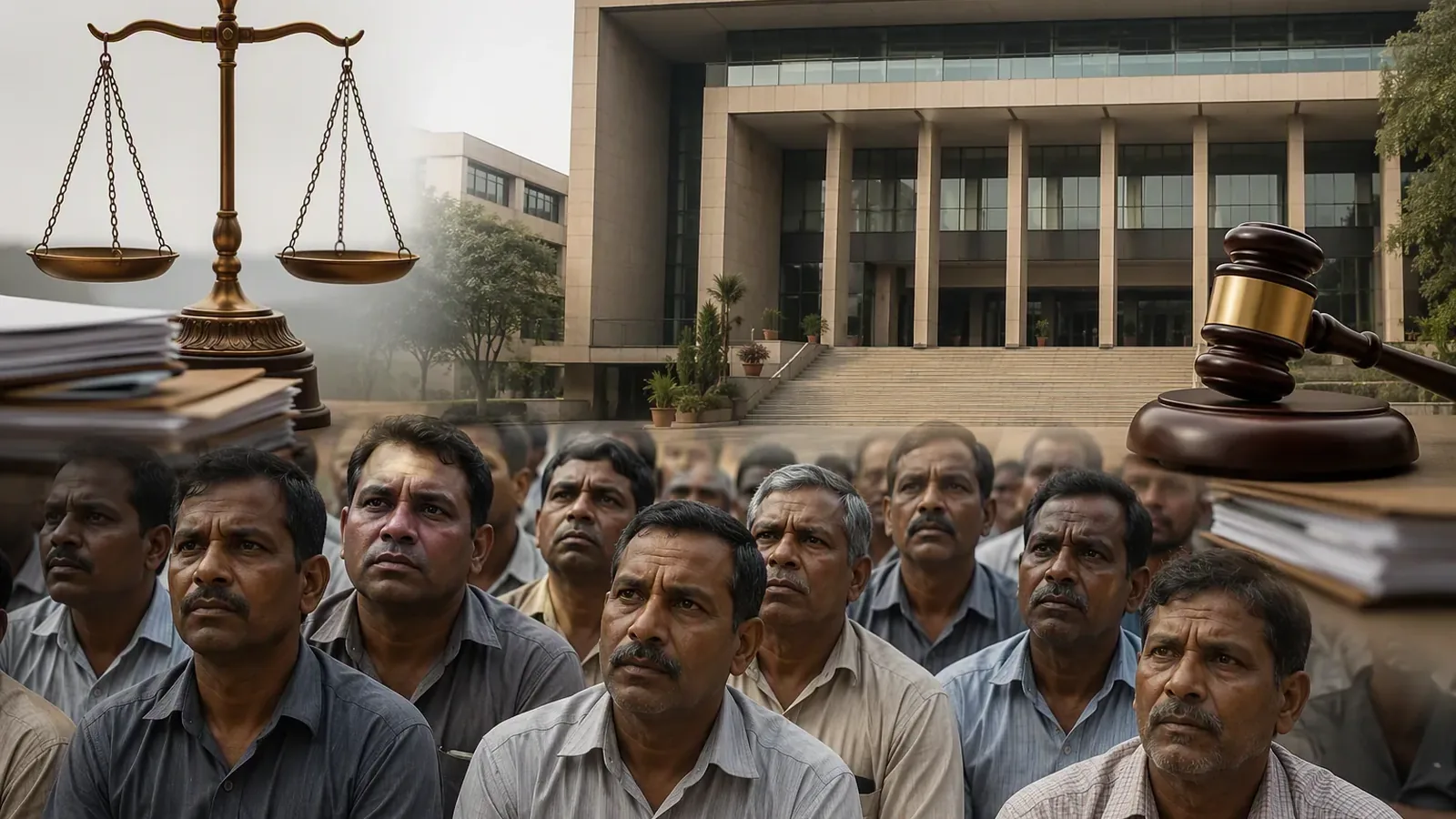
In a significant ruling, the Delhi High Court has awarded Rs 3 lakh each to two former daily wagers of AIIMS, Amarjit Singh and Ved Prakash, who were terminated in 1995. The court declared their retrenchment illegal but declined reinstatement, citing the passage of over three decades since their dismissal. Justice Shail Jain delivered the judgment on July 29, emphasizing that illegal retrenchment does not automatically warrant reinstatement or full back wages.
Compensation Instead of Reinstatement
The court noted that AIIMS had failed to produce employment records despite repeated notices, justifying an adverse inference against the institution. Justice Jain held that this unexplained withholding of records entitled the workers to compensation rather than reinstatement. “Having regard to the totality of the circumstances, this court considers it just and appropriate to award each of the petitioners a lump-sum compensation of Rs 3 lakh in full and final settlement of all claims arising out of the illegal retrenchment of their services,” the judgment stated.
The Case’s Long Legal Journey
Amarjit Singh and Ved Prakash had joined AIIMS in 1993 and 1992, respectively, but their services were terminated without notice or retrenchment compensation in 1995. After conciliation efforts failed, their disputes were referred to the labour court, which rejected their claims in 2004, citing insufficient proof of 240 days of continuous service. Challenging this decision, the workers approached the Delhi High Court, arguing that AIIMS had failed to produce attendance and wage records despite repeated requests.
Justice Jain set aside the labour court’s order, holding that the retrenchment was illegal. However, given the lapse of over 30 years, the court declined reinstatement and instead directed AIIMS to pay compensation within eight weeks.
Arguments from Both Sides
The petitioners’ counsel, Ashok Gurnani and Mukul Gupta, argued that the labour court erred in its findings and highlighted AIIMS’ failure to produce critical records. They also pointed out that junior daily-wagers were later regularized, entitling Singh and Prakash to similar relief.
AIIMS, represented by advocates V S R Krishna and V Shashank Kumar, countered that the workers were engaged on a casual, daily-wage basis and not against permanent posts. They added that the petitioners had not proven unemployment after their termination, making them ineligible for reinstatement or back wages.
Why This Matters
The ruling underscores the importance of procedural fairness in employment practices and highlights the legal consequences of withholding employment records. While the court acknowledged the illegality of the retrenchment, it balanced the relief granted with the realities of time and the nature of the workers’ engagement. This case serves as a reminder that compensation, rather than reinstatement, may be the appropriate remedy in long-pending disputes.
Source: Indian Express
Frequently asked questions
How much compensation did the Delhi High Court award to the retrenched AIIMS workers?
The Delhi High Court awarded Rs 3 lakh each to Amarjit Singh and Ved Prakash, who were retrenched from AIIMS in 1995. The compensation was granted in full and final settlement of all claims arising out of their illegal retrenchment.
Why did the court grant compensation instead of reinstatement?
The court declined reinstatement due to the passage of over three decades since the workers' dismissal in 1995. Justice Shail Jain held that while the retrenchment was illegal, reinstatement was not appropriate given the lapse of 30+ years.
What was the key reason AIIMS had to pay compensation?
AIIMS failed to produce employment records despite repeated court notices. The court drew an adverse inference against the institution due to this unexplained withholding of records, which entitled the workers to compensation.
When were the workers retrenched and what was their employment status?
Amarjit Singh and Ved Prakash joined AIIMS in 1993 and 1992 respectively and were terminated without notice or retrenchment compensation in 1995. They were employed as daily wagers on a casual basis.
How long did this legal case take to resolve?
The case spanned over three decades. The workers were retrenched in 1995, their claims were rejected by the labour court in 2004, and the Delhi High Court delivered its judgment on July 29, granting them compensation.
You may also like
 Politics
Delhi Police Detain Cockroach Janata Party Founder Before Proposed Connaught Place March
 Uttar Pradesh
Colors for Peace Brings 1,500 Students Together in New Delhi
 Weather
Delhi-NCR May See Six Days Of Rain As Yellow Alert Issued
 Politics
CJP Protest Delhi: Abhijeet Dipke, 2 Others Released on One-Year Peace Bond
Most read
- 1
Air China Adds Extra Flight for Passengers Stranded in Fuel-Starved Cuba
- 2
Western disturbance to bring rain, hail and strong winds across north India
- 3
Yogi Adityanath Directs No Occupied Houses Be Demolished for Achhalda Bridge
- 4
Gwalior Temple Truck Crash Kills 12, Injures 28-29 Devotees During Navratri
- 5
Schools Shut in Five Tamil Nadu Districts, Including Chennai, Amid Heavy Rain
Comments
No comments yet. Be the first to comment.