
Teja Singh Samundri's Legacy in Sikh Reform Celebrated After 100 Years
A century after his martyrdom, Teja Singh Samundri's impact on the Akali movement and Sikh reform continues to inspire generations.

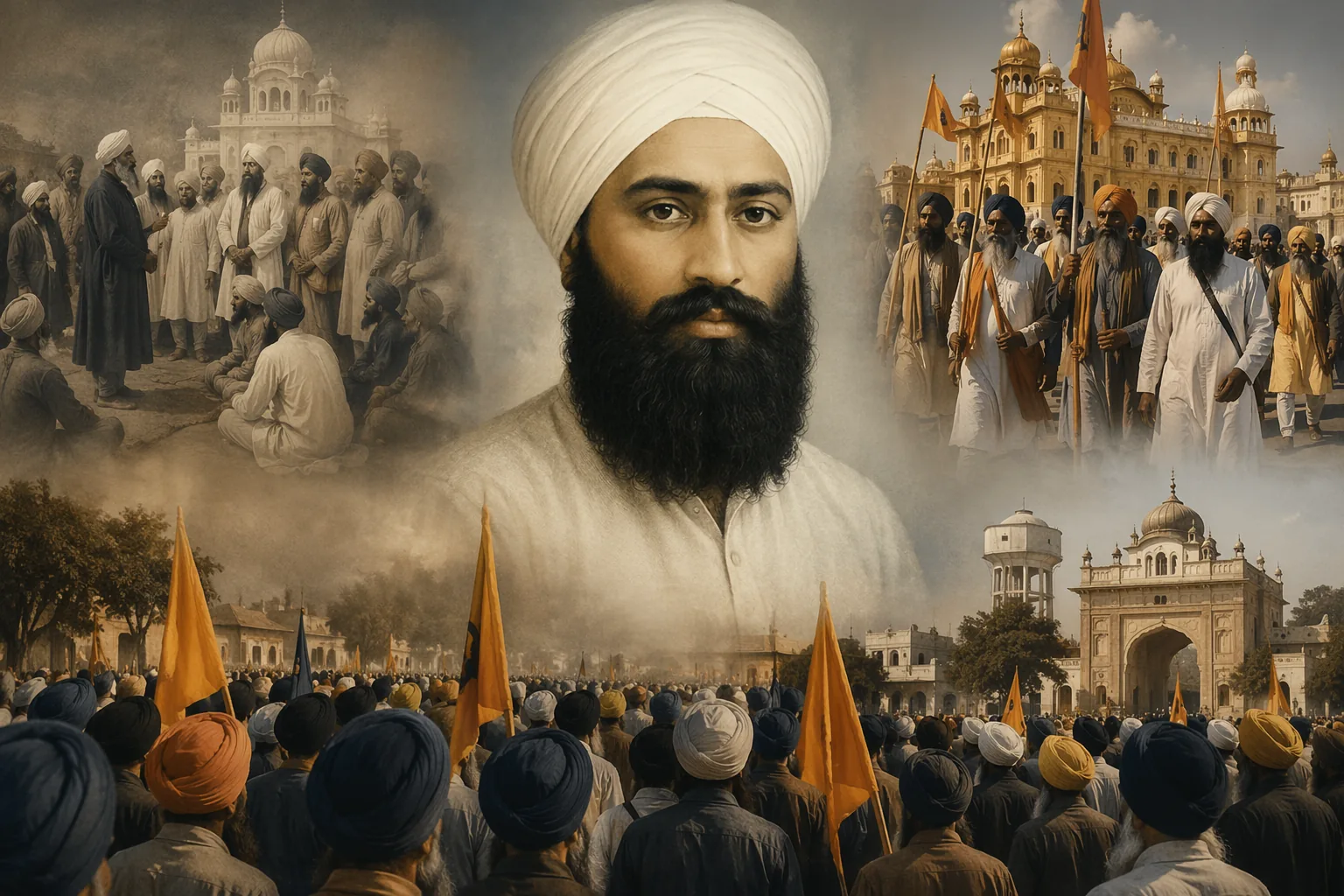
One hundred years after his martyrdom, Sardar Teja Singh Samundri remains a towering figure in Sikh history, celebrated for his pivotal role in the Gurdwara Reform Movement. His contributions to the fight for Sikh institutional autonomy, social reform, and education continue to resonate across generations.
The Rakab Ganj Affair: A Turning Point
Samundri’s journey as a reformer began in September 1920 during the Rakab Ganj agitation. The British administration had partially demolished the boundary wall of Gurdwara Rakab Ganj in Delhi to build a road to the Viceroy’s Palace, sparking outrage among Sikhs. Responding to a call for “100 martyrs” to restore the wall, Samundri, a World War I veteran, was the first to volunteer. His act of defiance set the tone for what would become the larger Akali Movement.
The Rakab Ganj agitation not only mobilised Sikh opinion but also highlighted the power of non-violent resistance and media advocacy. Publications like The Sikh Review played a crucial role in rallying public support and raising funds for the cause. Historians regard this episode as a precursor to the Akali Movement (1920-25), which sought to wrest control of Sikh gurdwaras from corrupt hereditary mahants.
Champion of Media and Education
Samundri’s influence extended beyond activism. Recognising the importance of media in shaping public opinion, he helped establish newspapers such as Akali (Urdu) and Akali te Pardesi (Punjabi). These publications became vital tools for the movement, amplifying its message across linguistic and regional divides. The leadership also supported an English-language newspaper from Delhi to engage a broader audience.
In addition to his political work, Samundri was a staunch advocate for education, particularly for girls. Despite his limited formal schooling, he founded several institutions in Punjab’s canal colonies, including Khalsa High School in Lyallpur and Guru Gobind Singh Khalsa High School in Sarhali. These schools laid the groundwork for Sikh social reform and continue to serve as enduring symbols of his vision.
Sacrifice and Legacy
The Gurdwara Reform Movement culminated in the passage of the Sikh Gurdwaras Act in 1925, which established elected management of Sikh shrines through the Shiromani Gurdwara Parbandhak Committee. However, Samundri’s commitment came at a personal cost. Unlike other moderate leaders who accepted conditional release from jail, he refused to compromise and remained imprisoned until his death on July 17, 1926. His martyrdom cemented his status as a symbol of sacrifice and unwavering dedication.
Why It Matters Today
Teja Singh Samundri’s contributions laid the foundation for democratic Sikh institutions, a nationalist press, and a robust educational network that continues to thrive. On the centenary of his martyrdom, his legacy serves as a reminder of the transformative power of selfless leadership and the enduring impact of grassroots reform movements.
Source: Indian Express
Frequently asked questions
Who was Teja Singh Samundri?
Teja Singh Samundri was a prominent figure in Sikh history known for his pivotal role in the Gurdwara Reform Movement and his contributions to Sikh institutional autonomy, social reform, and education.
What was the Rakab Ganj Affair?
The Rakab Ganj Affair was an agitation in September 1920 where Sikhs protested against the British administration's partial demolition of the Gurdwara Rakab Ganj's boundary wall, leading to the mobilization of Sikh opinion and the Akali Movement.
What was the significance of the Sikh Gurdwaras Act of 1925?
The Sikh Gurdwaras Act of 1925 established elected management of Sikh shrines through the Shiromani Gurdwara Parbandhak Committee, marking a significant achievement of the Gurdwara Reform Movement.
What role did Teja Singh Samundri play in education?
Teja Singh Samundri was a strong advocate for education, particularly for girls, and founded several educational institutions in Punjab, including Khalsa High School in Lyallpur and Guru Gobind Singh Khalsa High School in Sarhali.
How is Teja Singh Samundri remembered today?
Teja Singh Samundri is remembered as a symbol of sacrifice and dedication, with his legacy influencing democratic Sikh institutions, a nationalist press, and a strong educational network.
You may also like
 National
FTII's Jagat Murari: Shaping India's Filmmaking Rebels Since the 1960s
 Politics
Banda school celebrates 80th Independence Day with cultural programs and flag hoisting
 Education
Acharya Chanakya Inter College Celebrates Independence Day with Vibrant Festivities
 National
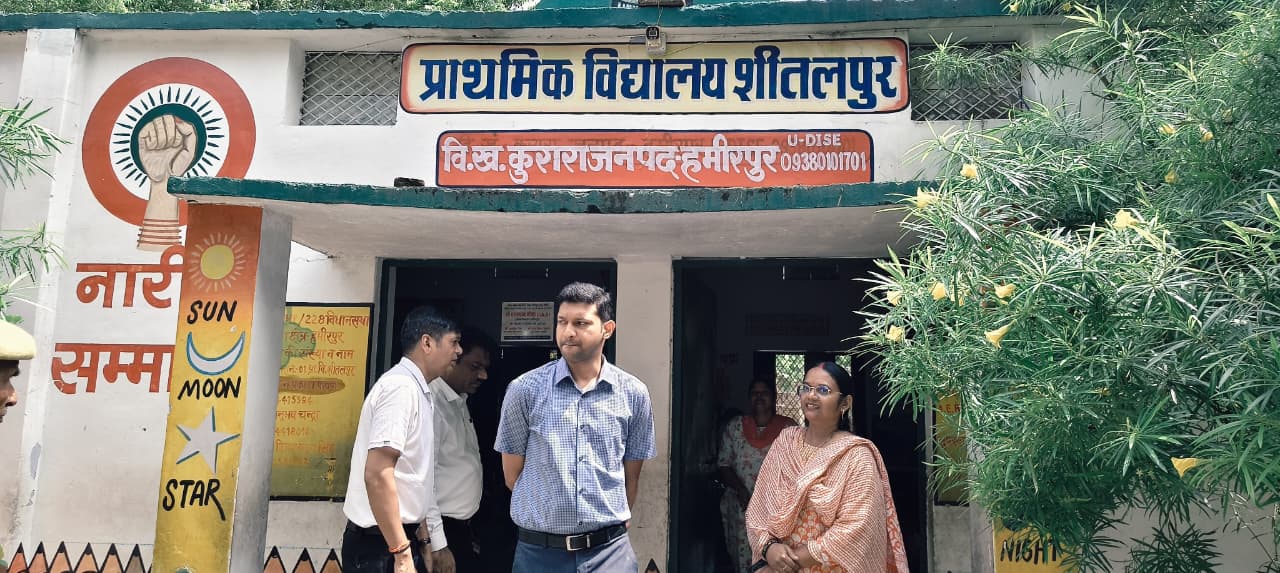
District Magistrate reviews primary schools in Hamirpur, urges better student attendance
Most read
- 1
Raja Mahendra Pratap Singh University launches 'Free Thinkers Club' for students
- 2
Andhra Pradesh Cabinet Ministers List 2026 with Contact Numbers and Portfolios
- 3
Teacher arrives drunk at Firozabad school, sparks chaos and protests
- 4
Hamirpur stenographer rescued after suicide attempt from bridge
- 5
Tamil Nadu Cabinet Ministers List 2026 with Portfolios
Comments
No comments yet. Be the first to comment.