
Study shows how India made expensive diabetes drugs affordable for millions
Research reveals India's strategy for reducing diabetes drug costs through generic manufacturing and legislative safeguards, offering lessons for other nat

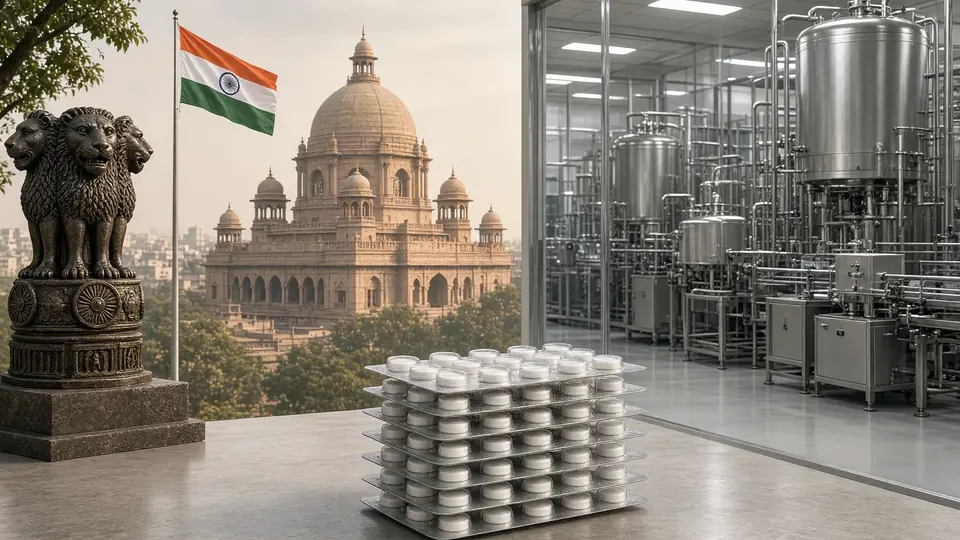
Study Decodes India's Success in Bringing Down Diabetes Drug Costs
Chennai-based diabetologists have published research examining the mechanisms behind India's success in making new, expensive diabetes medications affordable, a model that could guide other resource-constrained nations. The paper, titled 'Making Modern Diabetes Medications Affordable and Accessible: Lessons from India for Other Countries', was led by V. Mohan, chairman of Dr. Mohan's Diabetes Specialities Centre, Chennai, and appeared in the journal Diabetes Care.
The Global Diabetes Treatment Challenge
Of the 589 million adults worldwide living with diabetes, 80% reside in low- and middle-income countries (LMICs), the study noted. Modern diabetes therapies including GLP-1 receptor agonists and SGLT2i (sodium-glucose cotransporter 2 inhibitors) improve cardiovascular and renal outcomes, while analogue insulins help reduce the risk of hypoglycaemia. Yet affordability remains a significant barrier, particularly because diabetes requires lifelong care and management of complications.
Legislative Safeguards and Manufacturing Strategy
India's ability to maintain low medication prices is closely linked to its role as a major pharmaceutical exporter, the paper stated. The country's strategic legislative history has maintained critical safeguards to prevent 'patent evergreening' and has allowed for generic manufacture of drugs. The study found that India has increasingly focused on strengthening domestic manufacturing capacity. However, there are concerns over global trade policies affecting prices and the availability of raw materials.
A government incentive scheme has been introduced to promote domestic manufacturing of raw materials. As of 2025, production has commenced for 26 molecules that were previously imported.
Essential Medicines and New Drug Classes
The paper notes that metformin and sulfonylureas continue to form the foundation of type 2 diabetes management in India, both are included in the National List of Essential Medicines (NLEM). While DPP-4 (dipeptidyl peptidase 4) inhibitors, SGLT2i and GLP-1 RA have all been introduced, they are not currently in the NLEM. Initial uptake of these drugs was constrained by pricing.
Following the competitive entry by multiple domestic manufacturers, the price of semaglutide in India has dropped considerably, and there has been a huge increase in sales. However, absolute monthly costs remain high relative to household income in India, and crucially, these medications are not covered by insurance, as they are to a great extent in the U.S..
How India Achieved Affordability
Quick availability of generic and biosimilar drugs, deliberate regulatory and distribution strategies such as the government's Jan Aushadi Kendras, and market competition have allowed for affordable drugs in India, the paper highlighted.
Recommendations for Other Countries
The study proposes several strategies for other LMICs seeking to improve medicine access. Building local manufacturing capacity as a strategic public health investment, balancing patent governance that encourages easier access to newer molecules, predictable and structured price regulation, good distribution networks at reasonable retail prices, and aligning pharmaceutical policy with health financing and ongoing monitoring of medicine quality, prices, prescription patterns and patient access can all help with improving access to affordable medicines, the paper noted.
These core principles could also apply to high-income countries facing drug prices, the paper said.
Remaining Obstacles
Challenges that remain include urban-rural disparities in distribution and availability of medicines; tight regulations potentially affecting chances of drug innovation; differences in quality between generics and difficulties in maintaining strict pharmacovigilance; as well as limited formal evaluation of government schemes to look at their long-term impact on clinical outcomes.
Source: The Hindu
Frequently asked questions
How has India managed to make expensive diabetes drugs affordable?
India's success stems from several factors: legislative safeguards against patent evergreening that allow generic manufacturing, a strong domestic pharmaceutical manufacturing capacity, competitive market entry by multiple manufacturers, and government distribution strategies like Jan Aushadi Kendras. Quick availability of generic and biosimilar drugs has driven prices down significantly.
What diabetes medications are now more accessible in India due to price reductions?
GLP-1 receptor agonists, SGLT2 inhibitors, and DPP-4 inhibitors have become more accessible. Notably, semaglutide prices have dropped considerably following competitive entry by multiple domestic manufacturers, leading to a huge increase in sales.
Why do modern diabetes drugs remain unaffordable for many Indians despite price reductions?
While prices have fallen significantly, absolute monthly costs remain high relative to household income in India. Additionally, these newer medications are not covered by insurance in India, unlike in the U.S., making them difficult for many patients to afford despite the improvements.
What role does India's pharmaceutical industry play in drug affordability?
India's status as a major pharmaceutical exporter and its domestic manufacturing capacity are critical to maintaining low medication prices. The government has introduced incentive schemes to promote domestic manufacturing of raw materials, with production commencing for 26 molecules that were previously imported as of 2025.
You may also like




Most read
- 1
Tesla audits Chinese suppliers to scale up Optimus robot production
- 2
Former minister Lakhan Singh Rajput to inaugurate temple bhandara at Shri Chakreshwar Mahadev
- 3
Firozabad BSA finds four government schools locked during inspection
- 4
Tamil Nadu dengue cases fall for third consecutive year to 17,049
- 5
Social workers stage silent protest at Fufund railway station for train halts
Comments
No comments yet. Be the first to comment.