
Pitru Paksha Reflection Highlights Roots, Ancestors And Indian Values
Pitru Paksha is presented as an occasion to remember one’s roots, values and ancestors, and to look again at the foundation on which the present stands.

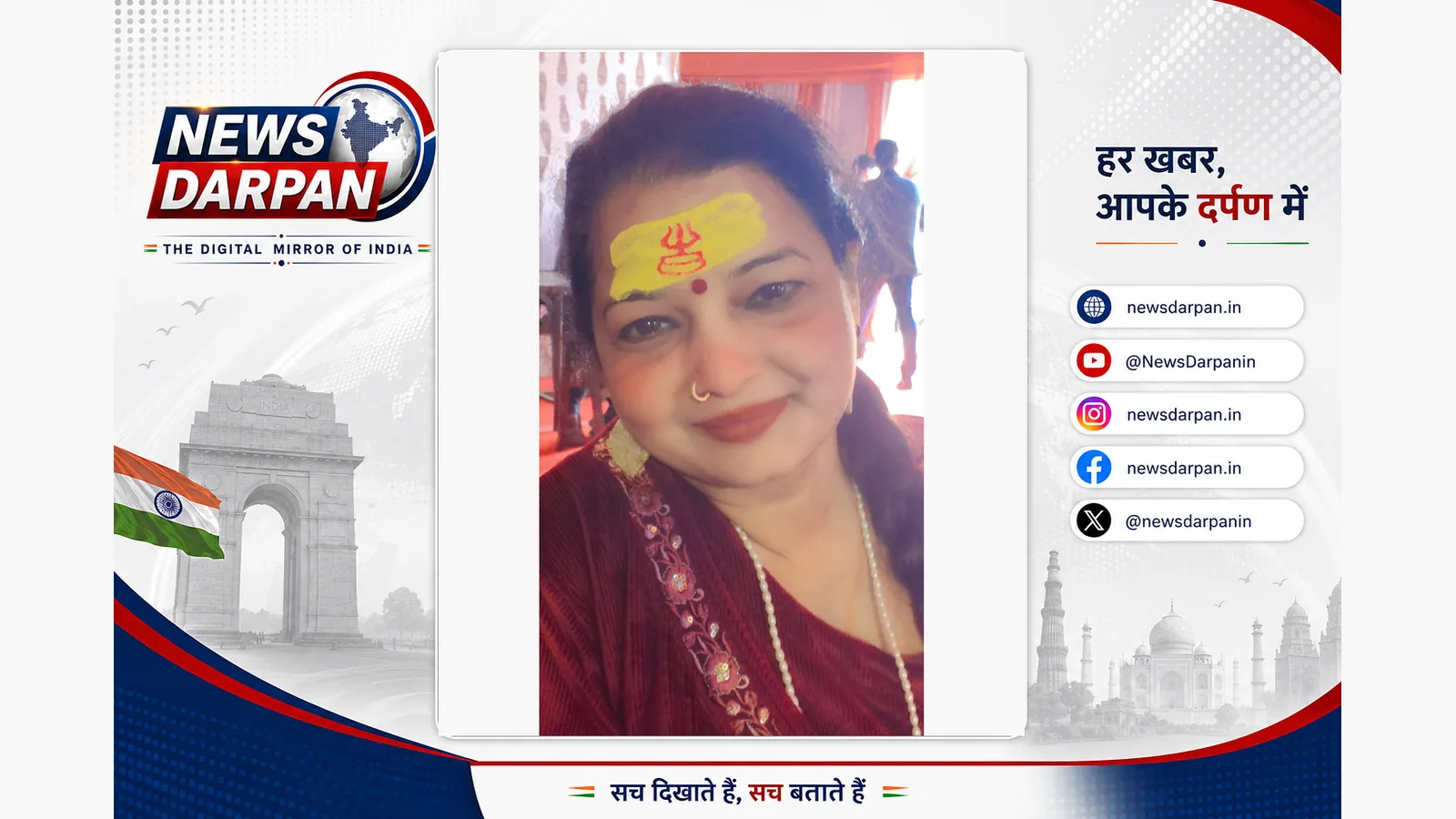
Pitru Paksha is presented as an occasion to remember one’s roots, values and ancestors, and to look again at the foundation on which the present stands. Written by Deepa Varshney, the reflection places this tradition within the larger idea of Indian culture, not merely as a collection of festivals and rituals, but as a rich way of life that helps people understand life and give it the right direction.
In Indian culture, every tradition is seen as carrying some social, spiritual and human message. Pitru Paksha is described as one such tradition. It connects people with their roots, their values and their ancestors. It asks people to pause and remember those who came before them, especially in a time when modern life often keeps everyone busy with worries about the future and the constant rush of the present.
The central idea is that the present does not stand on its own. It rests on the foundation of the past. In the fast pace of today’s life, people often become so occupied with daily responsibilities and future concerns that they forget to look back at the lives and contributions of their ancestors. Pitru Paksha gives families a period of reflection, a time to remember those forefathers who spent their lives building the family and contributing to society.
The word Shraddh is closely linked with shraddha, or faith and reverence. Its core meaning is not limited to a ritual act; it is rooted in respect, remembrance and gratitude. The tradition emphasises that ancestors gave the present generation not only life, but also values, traditions, experience and a family identity. Their struggles and sacrifices made it possible for today’s generation to live a better life and carry that life forward.
During Pitru Paksha, ancestors are remembered through practices such as tarpan, pind daan and other religious traditions. According to religious belief, when these acts are performed with devotion, the ancestors receive satisfaction and peace. It is also believed that the family receives their blessings. These practices form the visible religious side of Pitru Paksha, but the message of the period goes beyond ritual observance.
Seen from a wider perspective, Pitru Paksha teaches gratitude. It reminds people that success is not only the result of their own effort. Behind that success lies the struggle and sacrifice of many generations. What a person receives in life is shaped not only by personal hard work, but also by the values, protection, guidance and sacrifices handed down by earlier generations.
Indian tradition also speaks of the ideas of dev rin, rishi rin and pitru rin. Pitru rin, or the debt owed to ancestors, is not just about completing a religious ceremony. Its meaning is much wider. It also means understanding one’s responsibility toward the family, society and future generations. The idea suggests that every generation inherits something from those before it and, in turn, has a duty to pass something meaningful to those who come next.
The values and sanskar received from ancestors are not meant to stop with one generation. Passing them on to the next generation is also a responsibility toward the ancestors. If people carry forward the good thoughts and life values of their forefathers, that itself becomes a true form of respect. In this sense, honouring ancestors is not limited to remembering them on a particular occasion; it also includes living by the values they left behind.
The spirit of Pitru Paksha is also linked with service. To limit it only to tarpan and pind daan would be to reduce its broader meaning. In Indian tradition, there has also been a practice during this period of feeding the needy, donating grain and clothes, and offering food to living beings. These acts show that remembrance of ancestors is connected with compassion and service, not only with ritual.
The practice of feeding crows, cows, dogs and other living beings is seen as a way to make people more sensitive toward nature and the living world. Helping a person in need, feeding the hungry and being useful to someone helpless are also extensions of the same compassion. These are the values that Indian sanskar teach. From this point of view, Pitru Paksha gives a lesson not only in reverence, but also in service and kindness.
The tradition also has a special relevance for the younger generation. Family structures are changing. Small families are increasing in place of joint families, and children are spending less time with their grandparents and other elders. In such a situation, Pitru Paksha can become a medium to connect the new generation with the family’s roots. It can create space for children to know where they come from and what kind of lives their elders lived.
When children hear from their parents about their grandparents and other ancestors, and when they learn about their struggles and life stories, a sense of connection with the family develops within them. It also builds respect for elders. The stories of ancestors are not merely tales of the past. They carry life experiences, struggles and lessons. Passing these stories to the next generation is also a cultural responsibility.
In modern life, technology has made many things easier, but the constant rush has reduced the time people have for relationships. In such a time, Pitru Paksha offers a chance to stop for a few moments and look back at the journey of life. It invites people to think about what their parents and ancestors did for them, and how they are carrying forward the values they received.
The message is also practical. If people make honesty, truth, compassion, service and humanity a part of their lives, that too becomes a true tribute to their ancestors. Remembering forefathers does not only mean performing religious duties; it also means living in a way that reflects the values they taught and protected.
The main message of Pitru Paksha is to not forget one’s roots. The family and society that gave a person identity deserve gratitude. The coming generation also needs to be connected with those values. This connection is not just emotional; it is cultural, ethical and human. It reminds people that they are part of a larger chain, shaped by the past and responsible for the future.
Ancestors are not only memories of the past. They are part of one’s identity, one’s sanskar and the foundation of one’s present. Keeping their memory alive is not merely a religious tradition. It is also a way of showing respect toward one’s own existence and roots. A person who remembers their roots is better able to prepare a strong foundation for the generations to come.
Frequently asked questions
What is Pitru Paksha?
Pitru Paksha is presented as an occasion to remember one's roots, values, and ancestors, and to connect people with the foundation on which the present stands.
What does the word Shraddh mean?
The word Shraddh is closely linked with shraddha, or faith and reverence, and its core meaning is rooted in respect, remembrance, and gratitude.
What practices are used to remember ancestors during Pitru Paksha?
Ancestors are remembered through practices such as tarpan, pind daan, and other religious traditions performed with devotion.
You may also like
 Opinion
Big Indian AI SuperChip Dream: Bharatiya Chips Powering the Electronic Revolution
 Politics
BJP MP Gulam Ali Khatana alleges Pakistan orchestrated OIC’s anti-India resolutions
 National
Singareni revises pay scales for 1,800 officers, aligning them with Coal India
 Sports
Nandani Sharma Climbs 26 Places to 45th in ICC T20I Rankings
Most read
- 1
Air China Adds Extra Flight for Passengers Stranded in Fuel-Starved Cuba
- 2
Western disturbance to bring rain, hail and strong winds across north India
- 3
Yogi Adityanath Directs No Occupied Houses Be Demolished for Achhalda Bridge
- 4
Gwalior Temple Truck Crash Kills 12, Injures 28-29 Devotees During Navratri
- 5
Heavy Rain Waterlogs Bengaluru, Snarls Traffic; Ride-Hailing Fares Surge
Comments
No comments yet. Be the first to comment.