
Karnataka launches free bus travel scheme for all students
Explore Karnataka's new free bus travel scheme for students, its eligibility, benefits, and challenges. Learn how it supports education.

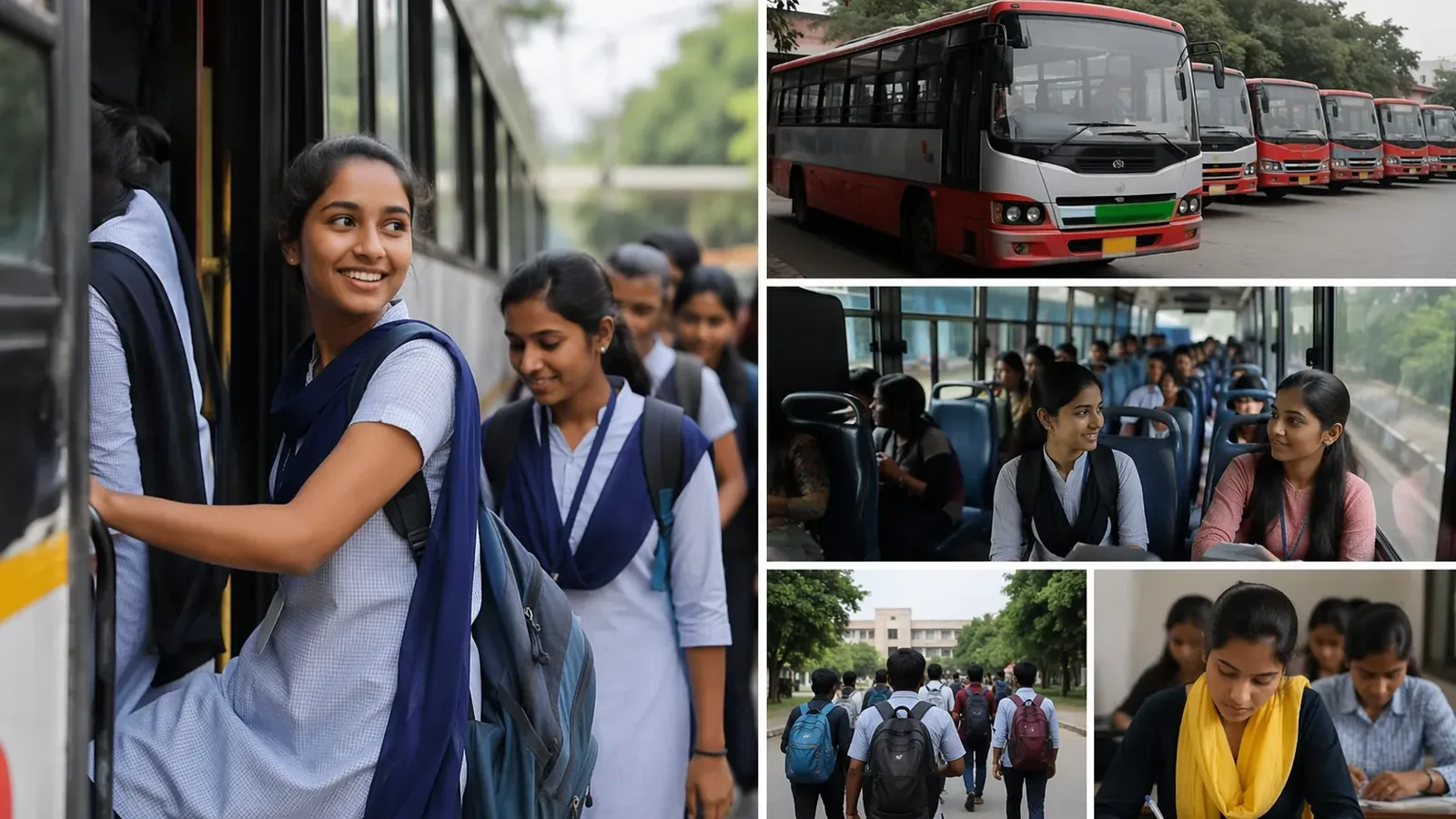
Bengaluru: The Karnataka government has announced a free bus travel scheme for students across the State, aiming to ease their commute and support education. This initiative, introduced by Chief Minister D.K. Shivakumar after assuming office on June 3, 2026, complements the existing Shakti scheme, which provides free travel for women, transgender persons, and students on non-premium buses operated by KSRTC, BMTC, NWKRTC, and KKRTC.
Eligibility and Coverage
The scheme covers all students, from school to college level, and extends benefits to male students who were previously excluded under the Shakti scheme. Guidelines issued by the State Transport Department on June 12, 2026, formally allow male students to avail free bus passes. Students residing in Karnataka are eligible, including those pursuing education in neighboring states or living in border areas outside Karnataka but attending institutions within the State.
Existing eligibility norms for student bus passes, such as academic requirements, distance criteria, and pass validity rules, will remain unchanged. Students can apply online via the Seva Sindhu portal by submitting the necessary documents. Additionally, those who have already purchased bus passes for the current academic year are eligible for refunds, with the government promising reimbursement within 15 days. Approximately 19,792 students fall under this category.
Benefits and Financial Impact
The scheme is expected to benefit lakhs of students, particularly those in rural areas who rely on public transport to access educational institutions in nearby towns and cities. Accident insurance coverage has also been announced for students issued free bus passes, with the State bearing a monthly premium of ₹5 per student. A processing fee of ₹100 per pass will be paid by the government to the transport corporations.
The annual financial outlay for the scheme is estimated at ₹286.08 crore, which will be reimbursed to the four State-run transport corporations. However, concerns have been raised about the sustainability of the scheme due to delays in reimbursements under the existing Shakti scheme. Between June 2023 and February 2026, transport corporations incurred expenses of ₹17,647.50 crore for Shakti, but only ₹13,073.75 crore was reimbursed, leaving pending dues of ₹4,573.75 crore. Rising operational costs, including salaries, fuel, and maintenance, have further strained the corporations.
Transport officials have emphasized the importance of timely fund releases to ensure smooth implementation without financial burdens on the corporations.
Reactions and Suggestions
The scheme has been widely welcomed by educationists and student organizations. Developmental educationist Niranjanaradhya V.P. described it as a long-awaited measure that would alleviate financial pressures on students and their families, particularly those from economically weaker and marginalized backgrounds. Student groups such as the All India Democratic Students Organisation (AIDSO) and Akhil Bharatiya Vidyarthi Parishad (ABVP) have also supported the initiative, urging the government to ensure its seamless implementation from the start of the academic year.
Meanwhile, commuter groups and students have called for similar concessions on Bengaluru’s metro network. The Bengaluru Metro Commuters Association (BMCA) has urged the government to introduce free or subsidized metro passes for students, arguing that such benefits would further reduce transportation costs and enhance access to educational facilities across the city. Currently, Namma Metro does not offer concession passes for any category, including students and persons with disabilities, despite longstanding demands.
The free bus travel scheme marks a significant step towards supporting education in Karnataka, but its success will depend on timely reimbursements and effective implementation.
Frequently asked questions
Who is eligible for Karnataka's free bus travel scheme for students?
All students from school to college level are eligible, including male students who were previously excluded under the Shakti scheme. Students must be residing in Karnataka or attending educational institutions within the State, even if they live in neighboring states or border areas. Existing academic requirements, distance criteria, and pass validity rules remain unchanged.
How do students apply for the free bus pass scheme?
Students can apply online via the Seva Sindhu portal by submitting the necessary documents. Those who have already purchased bus passes for the current academic year are eligible for refunds, with the government promising reimbursement within 15 days.
What is the annual cost of the scheme and which transport corporations operate it?
The annual financial outlay is estimated at ₹286.08 crore, which will be reimbursed to four State-run transport corporations: KSRTC, BMTC, NWKRTC, and KKRTC. The scheme includes accident insurance coverage, with the State bearing a monthly premium of ₹5 per student and a processing fee of ₹100 per pass.
What are the sustainability concerns with the scheme?
Concerns have been raised due to delays in reimbursements under the existing Shakti scheme. Between June 2023 and February 2026, transport corporations incurred ₹17,647.50 crore in expenses but received only ₹13,073.75 crore in reimbursement, leaving pending dues of ₹4,573.75 crore. Rising operational costs for salaries, fuel, and maintenance have further strained the corporations.
You may also like
 Crime
Farmer Arrested After Over 500 Cannabis Plants Found In Karnataka’s Vijayapura
 Entertainment
Kambala Makes Mysuru Dasara Debut With 150 Buffalo Pairs Racing
 Technology
Canada Eyes Expanded Karnataka Partnerships in Quantum Computing, AI, Aerospace, Defence
 Karnataka
 Seeks Centre’s Intervention To Resume LPG Connections, 36,000 Applications Pending
Most read
- 1
Air China Adds Extra Flight for Passengers Stranded in Fuel-Starved Cuba
- 2
Western disturbance to bring rain, hail and strong winds across north India
- 3
Yogi Adityanath Directs No Occupied Houses Be Demolished for Achhalda Bridge
- 4
Gwalior Temple Truck Crash Kills 12, Injures 28-29 Devotees During Navratri
- 5
Schools Shut in Five Tamil Nadu Districts, Including Chennai, Amid Heavy Rain
Comments
No comments yet. Be the first to comment.