
How to keep indoor plants healthy in summer: Easy and smart tips to protect plants from heat damage
Discover easy tips to protect your indoor plants from summer heat damage and ensure they thrive all season long.

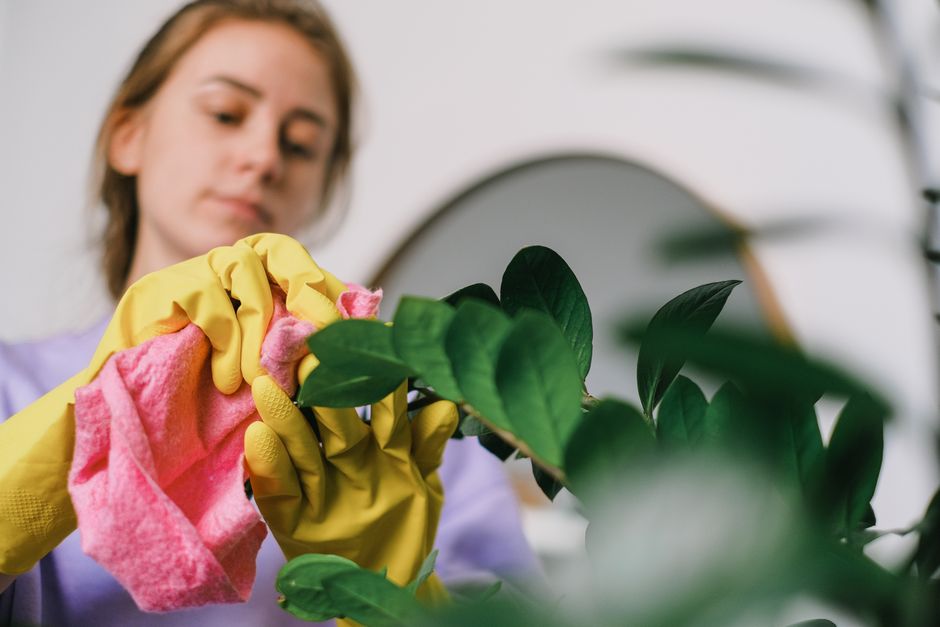
Summer can be a challenging time for indoor plants, as increased temperatures, excessive sunlight, dry air, and improper watering can take a toll on their health. Symptoms of heat stress, such as yellowing leaves, brown spots, and drooping stems, often signal that plants are struggling. Fortunately, with a few simple strategies, you can help your plants thrive even during the hottest months. Here’s how:
1. Protect Plants from Harsh Sunlight
While most plants enjoy bright sunlight, the intense rays of summer afternoons can scorch leaves, cause wilting, or make foliage appear pale. To prevent this, move plants slightly away from direct sunlight or use sheer curtains to filter the light. Bright but indirect sunlight is ideal for most indoor plants during summer.
2. Water Wisely
Overwatering is a common mistake during summer. Although plants typically need more water in hot weather, excessive watering can lead to root rot and other issues. Instead of sticking to a fixed schedule, check the soil's moisture level before watering. This ensures your plants get the hydration they need without overdoing it.
3. Maintain Humidity Levels
Air conditioning and fans can dry out indoor air, which can be stressful for tropical plants that thrive in humid environments. To boost humidity, group plants together to create a microclimate, place water-filled trays with pebbles under pots, or mist plants occasionally as needed.
4. Keep Leaves Clean
Dust can accumulate on indoor plants, especially during summer, blocking light and hindering photosynthesis. Regularly wiping leaves keeps them clean, promotes better air circulation, and makes it easier to spot pests or diseases early.
5. Watch Out for Pests
Summer provides the perfect conditions for pests like spider mites, aphids, mealybugs, and whiteflies to multiply. These pests can cause significant stress to plants. Regularly inspect your plants to catch infestations early and take action to prevent them from spreading.
6. Avoid Over-Fertilising
Although summer is a period of active growth for many plants, over-fertilising during extremely hot days can do more harm than good. Excess fertiliser can stress plants and lead to nutrient burn. Stick to your regular feeding schedule instead of applying extra fertiliser during heatwaves.
7. Ensure Proper Ventilation
Good air circulation is essential for plants, especially in summer. Poor ventilation can lead to stress, fungal infections, and pest infestations. Open windows during the coolest parts of the day and use fans to improve airflow around your plants.
8. Choose the Right Pots and Soil
The type of pot and soil you use can make a big difference during summer. Opt for well-draining potting soil that retains enough moisture for your plants. Light-colored pots can help prevent overheating, and summer is also a good time to repot plants, as they tend to grow their roots more actively during this season.
By following these tips, you can protect your indoor plants from summer heat stress and ensure they remain healthy and vibrant all season long. [S1-S9]
Frequently asked questions
What are the symptoms of heat stress in indoor plants?
Symptoms of heat stress include yellowing leaves, brown spots, and drooping stems.
How can I protect my indoor plants from harsh sunlight in summer?
You can protect plants by moving them away from direct sunlight or using sheer curtains to filter the light, aiming for bright but indirect sunlight.
What should I consider when watering indoor plants in summer?
Check the soil's moisture level before watering instead of sticking to a fixed schedule to avoid overwatering.
How can I maintain humidity levels for indoor plants during summer?
You can maintain humidity by grouping plants together, placing water-filled trays with pebbles under pots, or misting the plants occasionally.
What should I do to prevent pest infestations in indoor plants during summer?
Regularly inspect your plants for pests and take action to prevent infestations from spreading.
You may also like
 Uttar Pradesh
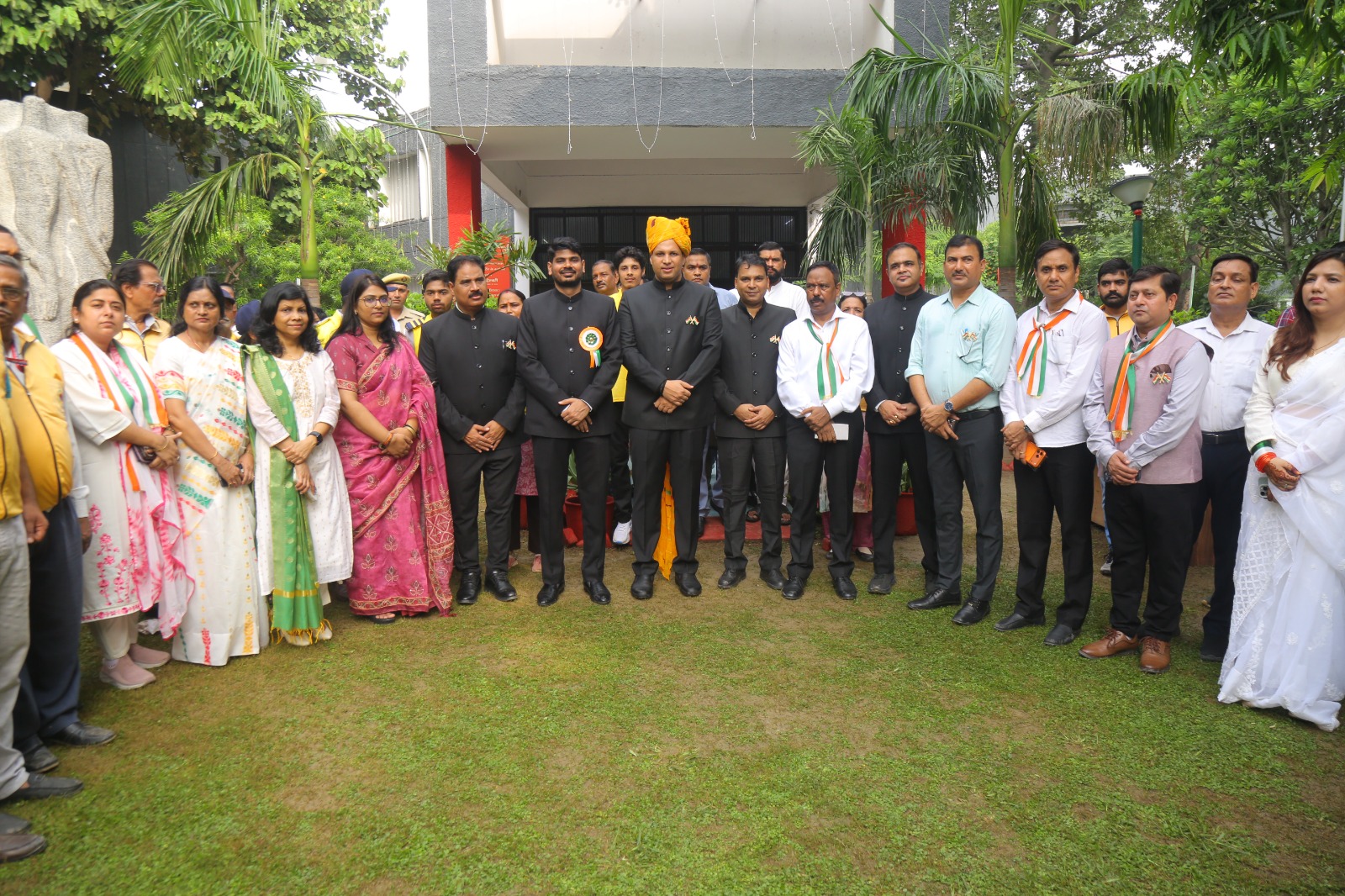
Independence Day in Ghaziabad Celebrated with Flag Hoisting and Tree Planting
 National
Hamirpur Collectorate celebrates Independence Day with flag hoisting ceremony
 National
Aligarh District Magistrate urges unity and progress on Independence Day
 Politics
Unnao commemorates Partition Horrors Remembrance Day with solemn tributes
Most read
- 1
Raja Mahendra Pratap Singh University launches 'Free Thinkers Club' for students
- 2
Andhra Pradesh Cabinet Ministers List 2026 with Contact Numbers and Portfolios
- 3
Teacher arrives drunk at Firozabad school, sparks chaos and protests
- 4
Hamirpur stenographer rescued after suicide attempt from bridge
- 5
Tamil Nadu Cabinet Ministers List 2026 with Portfolios
Comments
No comments yet. Be the first to comment.