
Hong Kong's Local Brands Face Challenges in Creative Growth
Explore how Hong Kong's local brands can reshape the city's creative landscape and attract shoppers.

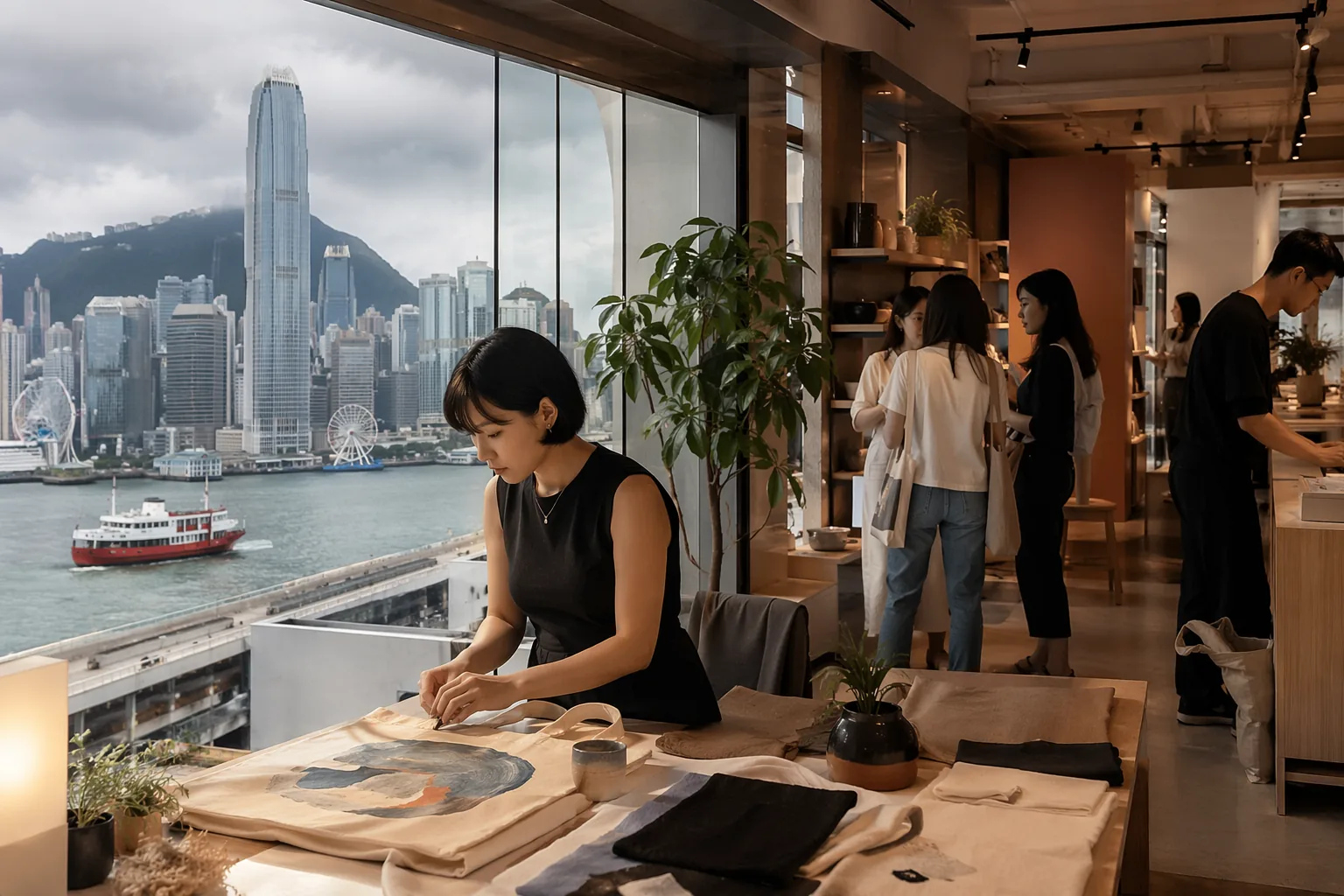
Hong Kong boasts a wealth of ambitious and creative local brands, yet their potential remains largely untapped. Investing in these homegrown businesses could distinguish the city as a unique shopping and cultural destination, setting it apart from global competitors.
A recent comparison with Seoul illustrates the untapped potential of Hong Kong’s local retail scene. In Seoul, neighborhoods like Hannam-dong, Seochon, and Seongsu-dong are buzzing with shoppers carrying bags from local brands such as Verish, Tamburins, Glowny, Musinsa, Xexymix, and Adererror. These brands have not only captured the attention of locals but also become a draw for tourists.
In contrast, a similar observation in Hong Kong revealed a different picture. While tourists in the city often carried Bakehouse bags, and locals shopped at chains like Muji, Uniqlo, Lululemon, and Adidas, the majority of shopping bags belonged to luxury brands such as Chanel, Dior, Hermes, Goyard, and Lane Crawford. This trend highlights a heavy reliance on high-end retail rather than a thriving ecosystem of local brands.
Several factors contribute to this disparity. High rents in Hong Kong have made it challenging for emerging local brands to establish a physical presence and scale their operations. Additionally, the steady influx of affluent tourists from mainland China has encouraged landlords to prioritize luxury retail, which offers a safer return on investment.
Compounding the issue is the city’s shrinking middle class, which limits the audience for niche, independent brands. These conditions have turned Hong Kong into a glittering shopping hub, but one that lacks the cultural innovation and creativity seen in cities like Seoul.
To transform its retail landscape, Hong Kong must support its local brands, fostering an environment where creativity and cultural identity can thrive. Such an effort could redefine the city’s image, making it a more dynamic and inspiring destination for both residents and visitors.
Frequently asked questions
What challenges do Hong Kong's local brands face?
Hong Kong's local brands face several obstacles including high rents that make it difficult to establish physical presence and scale operations, landlords' preference for luxury retail over local shops, and a shrinking middle class that limits the audience for niche, independent brands.
How does Hong Kong's retail landscape compare to Seoul's?
In Seoul, neighborhoods like Hannam-dong, Seochon, and Seongsu-dong feature thriving local brands such as Verish, Tamburins, and Adererror that attract both locals and tourists. In contrast, Hong Kong's shopping scene is dominated by luxury brands like Chanel, Dior, and Hermès, with fewer local brands visible.
Why do landlords in Hong Kong prioritize luxury retail?
The steady influx of affluent tourists from mainland China has encouraged landlords to prioritize luxury retail, as it offers a safer return on investment compared to local or independent brands.
What could Hong Kong do to strengthen its local brand ecosystem?
Hong Kong must support its local brands by fostering an environment where creativity and cultural identity can thrive, which could redefine the city's image and make it a more dynamic and inspiring destination for both residents and visitors.
You may also like
 National
Hong Kong jewellery retailer banned for one month over coerced sales
 National
Hong Kong Offers 5% Discounts for Major Event Ticket Holders
 Technology
Hong Kong plans pandas, Peak vistas and tech tours for Apec delegates
 International
Mainland China honors Tung Chee-hwa for opening Hong Kong to tourists
Most read
- 1
Air China Adds Extra Flight for Passengers Stranded in Fuel-Starved Cuba
- 2
Western disturbance to bring rain, hail and strong winds across north India
- 3
Yogi Adityanath Directs No Occupied Houses Be Demolished for Achhalda Bridge
- 4
Gwalior Temple Truck Crash Kills 12, Injures 28-29 Devotees During Navratri
- 5
Schools Shut in Five Tamil Nadu Districts, Including Chennai, Amid Heavy Rain
Comments
No comments yet. Be the first to comment.