
Hong Kong estate saves HK$1 billion with tech-driven maintenance model
Residence Bel-Air saves HK$1 billion through tech-driven maintenance, setting a new standard for property management in Hong Kong.

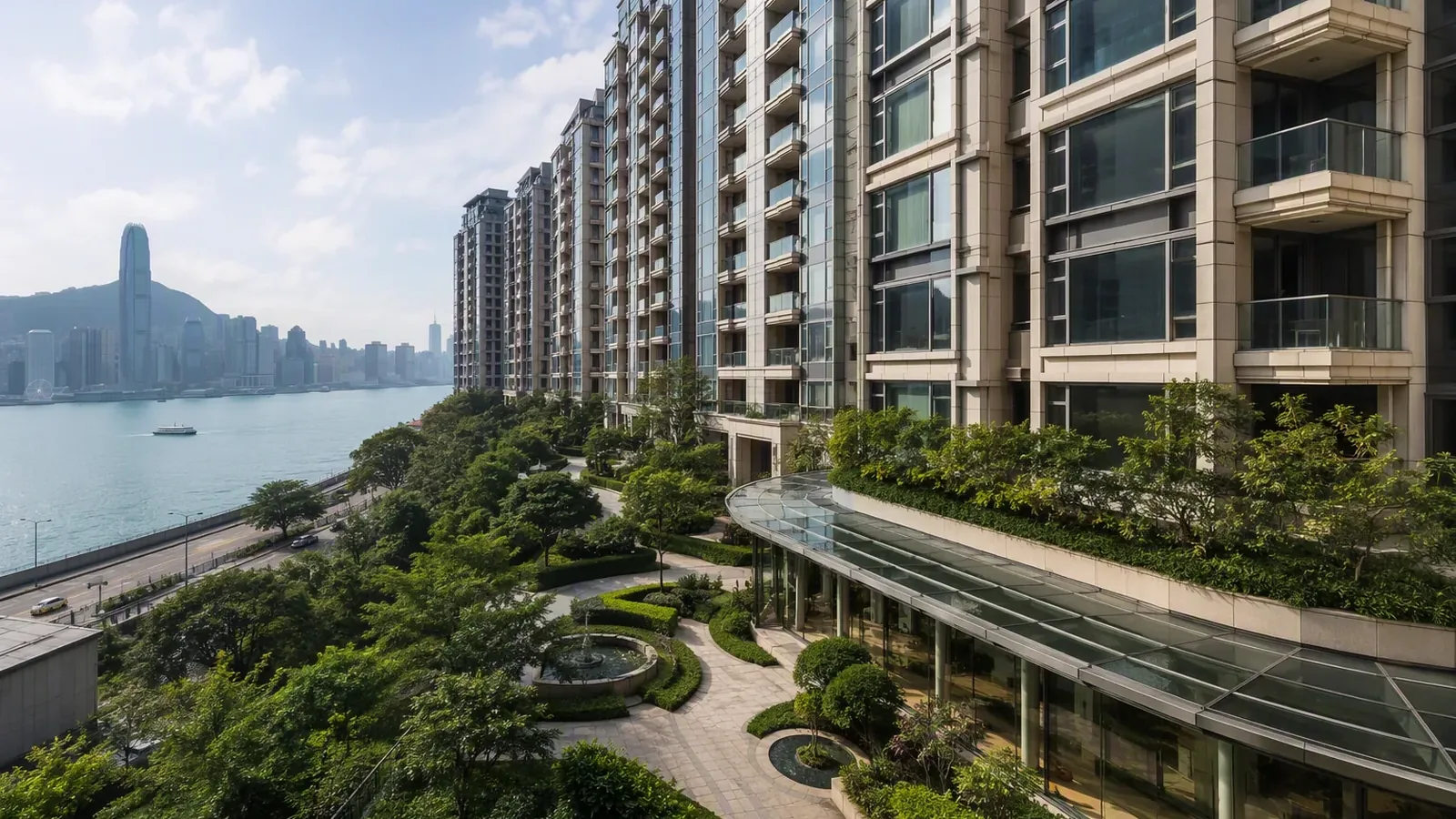
Hong Kong’s Residence Bel-Air has set a groundbreaking precedent in property management, saving its homeowners over HK$1 billion (US$127.5 million) through a technology-led approach to preventive maintenance. The estate’s strategy, dubbed “homegevity,” emphasizes targeted, consistent repairs to extend the lifespan of buildings and avoid costly large-scale renovations.
A wake-up call for ageing estates
The initiative comes in the wake of the Wang Fuk Court tragedy, which highlighted the risks associated with Hong Kong’s decades-old practice of relying on major renovation works for ageing buildings. Allen Ha Wing-on, convenor of the Residence Bel-Air owners’ committee, pointed out that the tragedy underscored the urgent need for change. He believes the “homegevity” model could transform property management not only in Hong Kong but in other cities grappling with urban decay.
Overcoming challenges to implement the model
Implementing the homegevity model at Residence Bel-Air was no small feat. Ha revealed that it took three years of concerted effort to navigate the vested interests of various stakeholders, including the owners of 2,800 residential units. Despite these challenges, the estate successfully adopted a science-based, technology-driven asset management solution that prioritizes preventive care over reactive renovations.
Why this matters for Hong Kong
Hong Kong faces a pressing issue with urban ageing, as nearly 25,000 private residential buildings in the city were over 30 years old as of last year. The financial burden of mandatory renovations for such buildings, including window replacements, reached a staggering HK$31 billion, according to research by the Legislative Council Secretariat. The success of Residence Bel-Air’s approach offers a viable alternative to reduce these costs while ensuring the safety and longevity of properties.
By embracing technology and science-based solutions, Residence Bel-Air has demonstrated how targeted maintenance can protect property value and spare homeowners from exorbitant renovation expenses. The model could serve as a blueprint for other estates in Hong Kong and beyond.
Source: South China Morning Post
Frequently asked questions
How much money did Residence Bel-Air save with its maintenance model?
Residence Bel-Air saved over HK$1 billion (US$127.5 million) through its technology-led approach to preventive maintenance.
What is the 'homegevity' model?
The 'homegevity' model emphasizes targeted, consistent repairs to extend the lifespan of buildings and avoid costly large-scale renovations.
What prompted the implementation of the homegevity model?
The implementation was prompted by the Wang Fuk Court tragedy, which highlighted the risks of relying on major renovation works for ageing buildings.
How long did it take to implement the homegevity model at Residence Bel-Air?
It took three years of concerted effort to implement the homegevity model at Residence Bel-Air.
Why is the homegevity model significant for Hong Kong?
The model is significant as it offers a viable alternative to reduce the financial burden of mandatory renovations for ageing buildings in Hong Kong.
You may also like
 Technology
Fourth SCMP factsheet on Hong Kong tech and talent out October 20
 Business
Hong Kong Development Chief Says Northern Metropolis Space Won’t Add Traditional Offices
 Defence
Hong Kong sets June 30 deadline for talent movement in Hetao hub
 Technology
China's tech firms choose Hong Kong or mainland based on growth ambitions, not competition
Most read
- 1
Air China Adds Extra Flight for Passengers Stranded in Fuel-Starved Cuba
- 2
Western disturbance to bring rain, hail and strong winds across north India
- 3
Yogi Adityanath Directs No Occupied Houses Be Demolished for Achhalda Bridge
- 4
Gwalior Temple Truck Crash Kills 12, Injures 28-29 Devotees During Navratri
- 5
Schools Shut in Five Tamil Nadu Districts, Including Chennai, Amid Heavy Rain
Comments
No comments yet. Be the first to comment.