
FDA Approves Bemotrizinol, First New Sunscreen Ingredient in 20 Years
Discover the FDA's approval of bemotrizinol, a game-changing sunscreen ingredient offering superior UVA protection and stability.

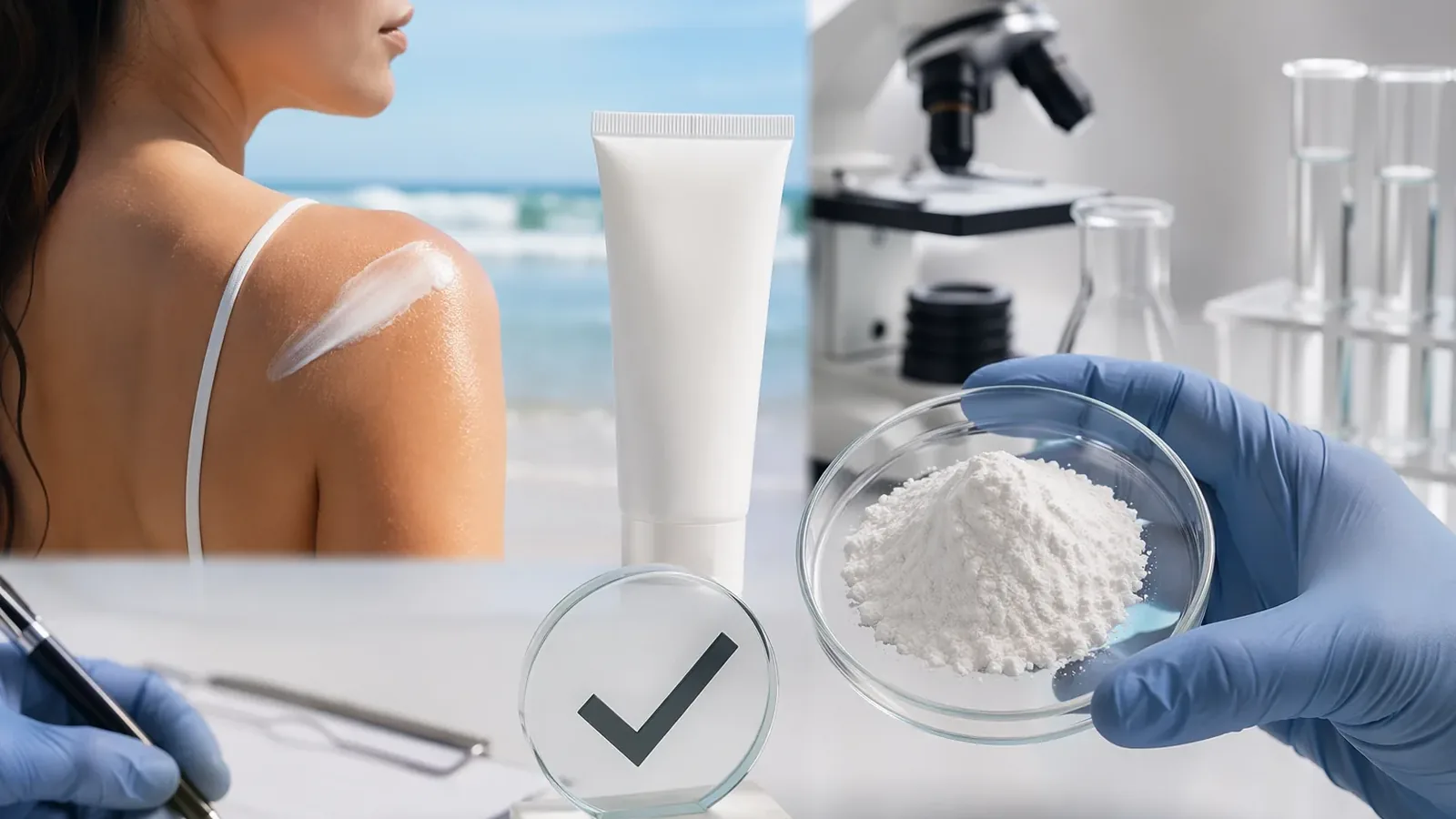
A Sunscreen Breakthrough After 20 Years: What Makes Bemotrizinol Special?
The US Food and Drug Administration (FDA) has approved bemotrizinol, marking the first clearance of a new sunscreen active ingredient in over two decades. While not a completely new molecule, this development has sparked global excitement among dermatologists due to the ingredient's proven reputation in countries outside the US.
What Is Bemotrizinol and Why Is It Significant?
Bemotrizinol is celebrated for its broad-spectrum protection, effectively blocking both UVA and UVB rays. UVB rays are widely known for causing sunburn, but UVA rays penetrate deeper into the skin, contributing to premature ageing, pigmentation, loss of skin elasticity, and an increased risk of skin cancer. Compared to many existing sunscreen ingredients, bemotrizinol offers superior UVA protection, which is one of its standout features.
How Does It Differ From Existing Sunscreens?
Most sunscreens rely on a combination of filters, as individual ingredients often specialize in either UVB or UVA protection. Bemotrizinol, however, is a generalist, providing effective coverage across the ultraviolet spectrum. Another key advantage is its high photostability, meaning it does not degrade easily when exposed to sunlight. This ensures more reliable and longer-lasting protection. Additionally, bemotrizinol can stabilize other sunscreen filters in a formulation, further enhancing their effectiveness.
Does It Offer Better Skin Protection?
Yes, particularly against UVA rays, which are responsible for photoageing. These rays damage collagen and elastin in the skin, leading to wrinkles, sagging, and uneven pigmentation. Long-term UVA exposure is also linked to skin cancer. While bemotrizinol cannot reverse existing damage, it is a significant preventive measure against future harm.
Addressing Common Sunscreen Complaints
One reason many people avoid sunscreen is the greasy, sticky texture or the white cast left by some formulations. Bemotrizinol allows manufacturers to create lighter, more cosmetically appealing sunscreens without compromising protection. This could improve user compliance, ultimately leading to better skin protection.
Is Bemotrizinol Safe?
Yes, according to available evidence. Bemotrizinol has been used safely in Europe, Australia, and parts of Asia for years, providing extensive real-world data on its safety and effectiveness. Its large molecular size minimizes absorption into the bloodstream, and studies show no significant accumulation in the body. The FDA's rigorous review process, which evaluated its safety, efficacy, photostability, and environmental impact, further underscores its strong safety profile.
How Does It Compare to Mineral Sunscreens?
Mineral sunscreens like zinc oxide and titanium dioxide remain excellent options, particularly for sensitive skin. Bemotrizinol, as a chemical sunscreen, expands the range of choices available to consumers. The goal is not to replace mineral sunscreens but to offer more options that encourage consistent sunscreen use.
Key Takeaways for Consumers
When choosing a sunscreen, focus on broad-spectrum protection with SPF 30 or higher rather than fixating on a single ingredient. Apply an adequate amount and reapply every two to three hours, especially after sweating or swimming. Remember, sunscreen is just one part of sun protection, hats, sunglasses, protective clothing, and seeking shade are equally important.
This breakthrough in sunscreen technology could lead to more effective and user-friendly formulations, encouraging better sun protection habits worldwide.
Frequently asked questions
What did the FDA approve?
The FDA approved bemotrizinol, the first new sunscreen active ingredient cleared in the US in over 20 years.
What makes bemotrizinol significant?
Bemotrizinol offers broad-spectrum protection against both UVA and UVB rays, with especially strong UVA protection.
How is bemotrizinol different from many existing sunscreen ingredients?
Unlike filters that mainly target either UVA or UVB rays, bemotrizinol provides coverage across the ultraviolet spectrum and is highly photostable, meaning it does not degrade easily in sunlight.
Is bemotrizinol considered safe?
Yes. The article says it has been used safely for years in Europe, Australia, and parts of Asia, has low bloodstream absorption due to its large molecular size, and was reviewed by the FDA for safety, efficacy, photostability, and environmental impact.
Can bemotrizinol improve how sunscreens feel on the skin?
Yes. It may help manufacturers make lighter, more cosmetically appealing sunscreens without compromising protection, which could encourage more regular use.
You may also like
 Health
Man dies after family delays snake bite treatment for traditional healers in UP
 Maharashtra
FDA suspends licenses of 11 Thane farsan makers after unhygienic conditions raid
 Health
US health authorities end record cyclosporiasis outbreak investigation after 12,883 illnesses
 Health
Three swine flu cases confirmed in Raebareli district, authorities investigating contact trails
Most read
- 1
Air China Adds Extra Flight for Passengers Stranded in Fuel-Starved Cuba
- 2
Western disturbance to bring rain, hail and strong winds across north India
- 3
Yogi Adityanath Directs No Occupied Houses Be Demolished for Achhalda Bridge
- 4
Schools Shut in Five Tamil Nadu Districts, Including Chennai, Amid Heavy Rain
- 5
Gwalior Temple Truck Crash Kills 12, Injures 28-29 Devotees During Navratri
Comments
No comments yet. Be the first to comment.