
Facial recognition on public buses sparks privacy concerns in U.S. city
A U.S. city considers facial recognition on buses, igniting privacy concerns among residents about surveillance and data storage.

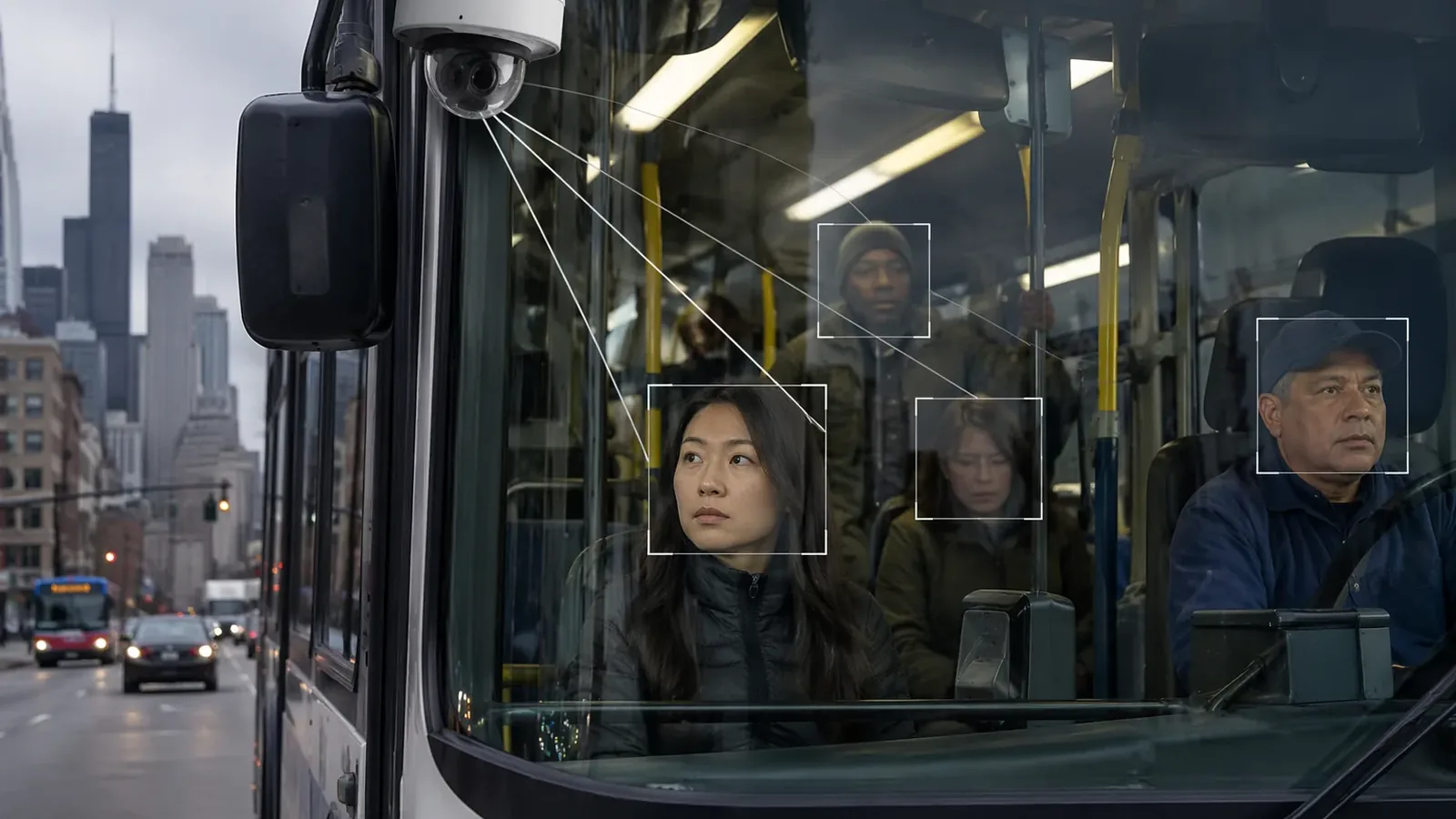
Facial recognition technology could soon be introduced on public buses in a U.S. city, sparking significant privacy concerns among residents. The local transportation authority is exploring the use of this technology to enhance security and monitor passenger activity. However, the plan to store video footage captured by the system for up to five years has raised alarms among privacy advocates.
According to officials, the video recordings would be stored on a local server, with the aim of assisting in investigations and improving public safety. While proponents argue that the system could deter crime and help identify offenders, critics worry about the potential misuse of such sensitive data and the long-term implications for individual privacy.
Privacy advocates have expressed concerns over the lack of transparency and safeguards in handling the data. They fear that such a system could lead to unwarranted surveillance and the erosion of civil liberties. “Storing footage for five years is excessive and opens the door to misuse,” said one local activist.
This development comes amid a broader debate in the U.S. over the use of facial recognition technology in public spaces. Several cities have already banned or restricted its use, citing privacy risks and the potential for errors, particularly in identifying people from minority communities.
As discussions continue, residents and advocacy groups are calling for clearer guidelines and public consultations before the technology is rolled out. The transportation authority has yet to confirm a timeline for the project, but the growing pushback suggests that the road ahead may not be smooth.
Frequently asked questions
What is the purpose of introducing facial recognition technology on public buses?
The local transportation authority aims to enhance security and monitor passenger activity.
How long will video footage captured by the facial recognition system be stored?
The plan is to store video footage for up to five years.
What are the main concerns raised by privacy advocates regarding this technology?
Privacy advocates are concerned about the lack of transparency, potential misuse of sensitive data, unwarranted surveillance, and the erosion of civil liberties.
Have any cities already taken action against facial recognition technology?
Yes, several cities have banned or restricted its use due to privacy risks and potential errors in identification.
You may also like
 National
Cyberabad Police Commissioner Pushes for Enhanced CCTV Surveillance Systems
 Opinion
Big Indian AI SuperChip Dream: Bharatiya Chips Powering the Electronic Revolution
 Business
Sino Group Supports Innovators From Ideas To Potential Market Adoption
 International
US and Five Central Asian Governments Plan Cooperation on Minerals, Transport, Technology
Most read
- 1
Air China Adds Extra Flight for Passengers Stranded in Fuel-Starved Cuba
- 2
Western disturbance to bring rain, hail and strong winds across north India
- 3
Yogi Adityanath Directs No Occupied Houses Be Demolished for Achhalda Bridge
- 4
Gwalior Temple Truck Crash Kills 12, Injures 28-29 Devotees During Navratri
- 5
Schools Shut in Five Tamil Nadu Districts, Including Chennai, Amid Heavy Rain
Comments
No comments yet. Be the first to comment.