
Experts advocate for climate-specific roof designs to combat extreme weather
Explore how climate-specific roof designs can enhance comfort and durability in Indian homes facing heat, humidity, and rain.

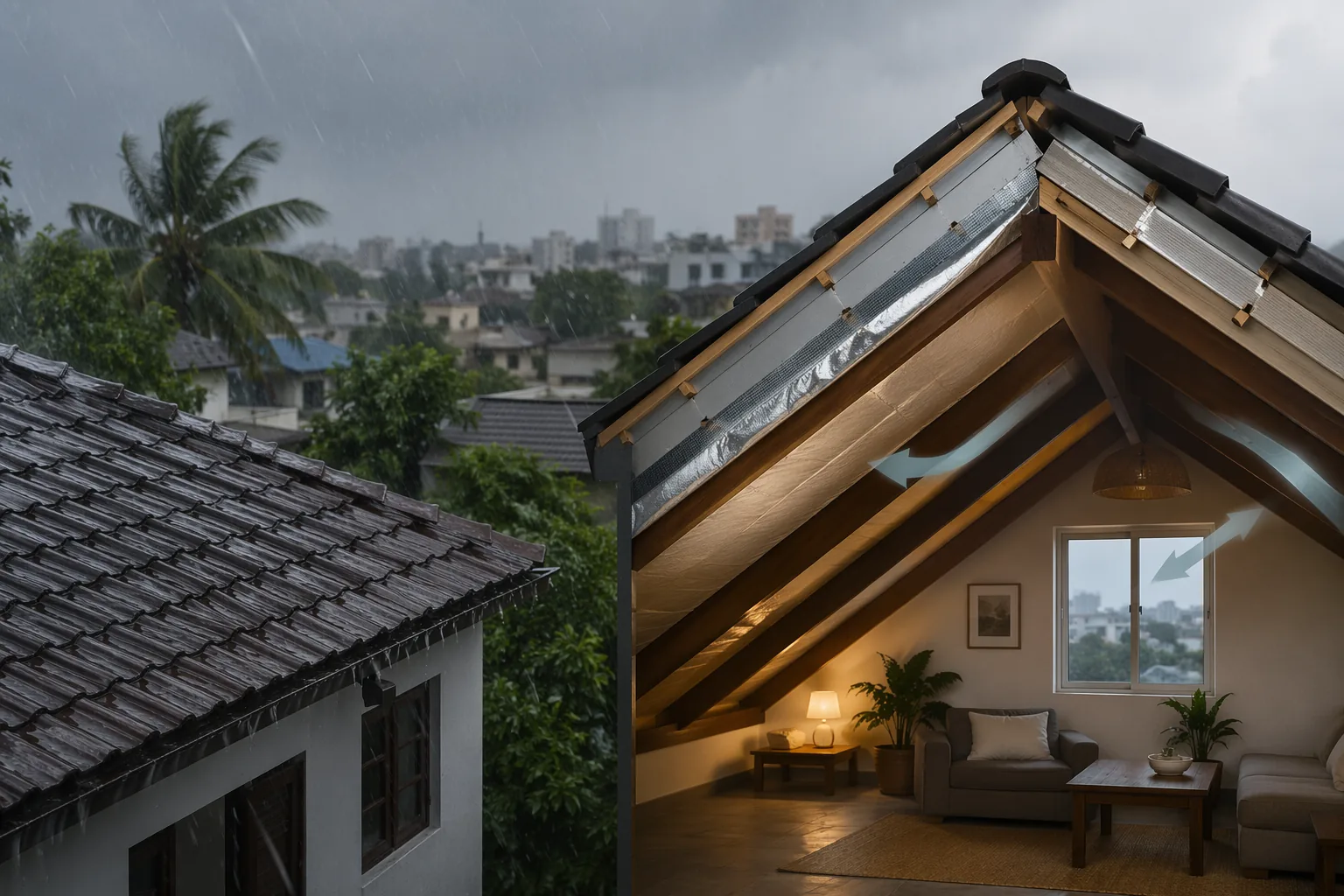
Rethinking Roof Design: Solutions for Heat, Humidity, and Rain
As India grapples with extreme weather conditions, scorching heat, oppressive humidity, and relentless rains, your roof could hold the key to better indoor comfort and long-term durability. Experts suggest that modern construction practices often overlook the climate-specific wisdom of traditional Indian roof designs, leading to homes that trap heat and suffer from water damage.
Why Modern RCC Roofs Fall Short
Reinforced Cement Concrete (RCC) roofs dominate urban construction today, but they come with significant drawbacks. Their flat, exposed surfaces absorb and retain heat, making indoor spaces unbearably hot during summer. Additionally, RCC roofs are prone to leaks and surface deterioration due to prolonged exposure to rain and humidity. This one-size-fits-all approach ignores regional climatic needs, exacerbating discomfort and maintenance issues.
Climate-Specific Roof Designs: What Works?
Experts recommend tailoring roof designs to local weather conditions. For instance, sloping roofs with adequate angles improve rainwater drainage and reduce water stagnation, which helps prevent leaks and structural damage. In areas with heavy rainfall, tiled roofs with slopes between 15, 30 degrees or metal roofs sloped at 5, 15 degrees are ideal for efficient runoff. Hot-arid regions can benefit from flat terraces made of natural stone and lime, which offer thermal comfort and usable outdoor space.
Waterproofing: A Must for Long-Term Durability
Effective waterproofing is crucial for any roof type. Options include liquid-applied polyurethane membranes, bituminous systems, and polymer-modified cementitious coatings. Proper surface preparation, such as cleaning and crack repairs, is essential before applying these treatments. Regular maintenance ensures these systems remain effective over time.
Lightweight Sloping Roofs: A Retrofit Solution
For homes with flat RCC roofs, installing a lightweight sloping roof supported by a steel framework can be transformative. A roof pitched at 30 degrees and clad with GI or aluminium sheets enhances rainwater drainage while protecting the existing structure. Adding terracotta or ceramic tiles creates a ventilated air gap, reducing heat transfer and improving weather protection. This approach also reinforces the architectural character of tropical regions.
Additional Benefits of Pitched Roofs
Pitched roofs can provide extra usable space for a home office, fitness area, or storage zone. Transparent UV-resistant sheet coverings on flat roofs allow natural light while adding visual appeal. These solutions can be cost-effective, saving up to 60% compared to constructing a new floor. However, structural integrity must be assessed by a qualified engineer before installation.
Key Considerations for Roof Modifications
When modifying or adding roofs, it’s essential to account for wind resistance, planning regulations, and the building’s architectural coherence. Proper anchoring and protective treatments for steel components are necessary to prevent corrosion and damage during storms. Rainwater drainage systems should also be carefully designed to enable water harvesting and conservation. Ignoring these aspects can lead to regulatory issues and functional inefficiencies.
A Sustainable Perspective
Architects Ajay Abey and Tara E. Pandala, Directors of the Centre for Sustainable Built and Natural Environment in Kochi, advocate for climate-responsive and biodiversity-inclusive designs. Their expertise highlights the importance of integrating traditional knowledge with modern techniques to create sustainable and comfortable living spaces.
By rethinking roof design and embracing region-specific solutions, homeowners can mitigate the challenges of heat, humidity, and rain while contributing to sustainable construction practices.
Source: Indian Express
Frequently asked questions
What are the main drawbacks of modern RCC roofs in urban construction?
Modern RCC roofs absorb and retain heat, making indoor spaces unbearably hot during summer, and they are prone to leaks and surface deterioration due to prolonged exposure to rain and humidity.
What type of roof design is recommended for areas with heavy rainfall?
Experts recommend sloping roofs with tiled roofs having slopes between 15, 30 degrees or metal roofs sloped at 5, 15 degrees for efficient rainwater runoff.
What is a retrofit solution for homes with flat RCC roofs?
Installing a lightweight sloping roof supported by a steel framework can enhance rainwater drainage and improve weather protection.
Why is waterproofing important for roof designs?
Effective waterproofing is crucial for any roof type to prevent leaks and ensure long-term durability.
What additional benefits do pitched roofs offer?
Pitched roofs can provide extra usable space for home offices or storage and can save costs compared to constructing a new floor.
You may also like
 Weather
Rainfall Brings Significant Temperature Drop in Visakhapatnam
 Accident
14th-century gateway near Ujjain's Mahakal temple collapses amid construction work
 Uttar Pradesh
Lucknow-Kanpur Expressway faces major issues just 18 days post-opening
 Weather
India Braces for Below-Normal Rainfall; Telangana Set for Above-Average Precipitation
Most read
- 1
Air China Adds Extra Flight for Passengers Stranded in Fuel-Starved Cuba
- 2
Western disturbance to bring rain, hail and strong winds across north India
- 3
Yogi Adityanath Directs No Occupied Houses Be Demolished for Achhalda Bridge
- 4
Gwalior Temple Truck Crash Kills 12, Injures 28-29 Devotees During Navratri
- 5
Schools Shut in Five Tamil Nadu Districts, Including Chennai, Amid Heavy Rain
Comments
No comments yet. Be the first to comment.