
China and Russia plan Arctic river corridor to bypass global maritime chokepoints
China and Russia explore transforming the Irtysh River into a cargo route to the Arctic Ocean, bypassing maritime chokepoints controlled by rival powers.

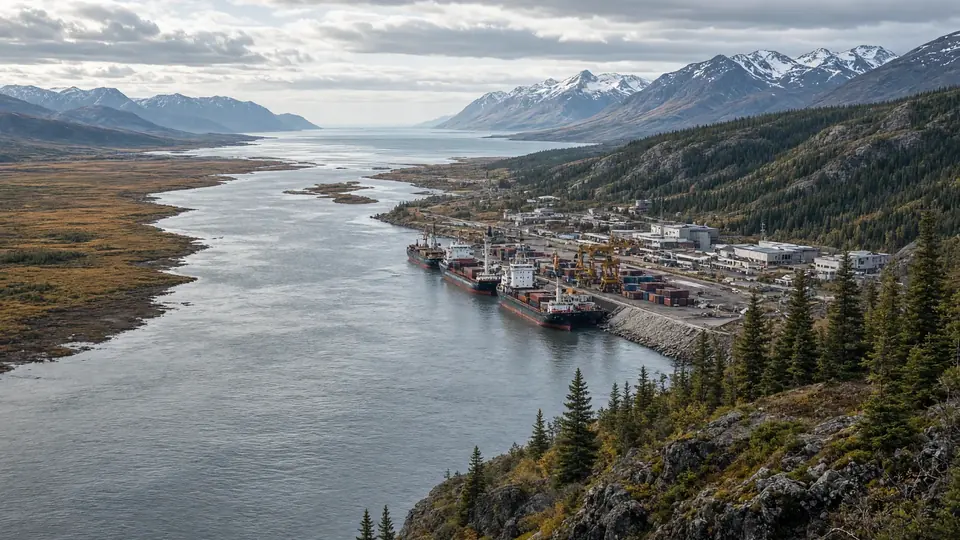
China and Russia are exploring the feasibility of transforming the Irtysh River into a cargo corridor that would connect China's interior directly to the Arctic Ocean, potentially circumventing maritime bottlenecks controlled by rival powers.
The proposed pathway would follow the 4,248-kilometre Irtysh, which begins in Xinjiang, cuts through Kazakhstan, and feeds into Russia's Ob River before reaching Arctic waters. For Beijing, the attraction lies in securing inland access to Arctic resources and strategic positions without depending on sea lanes vulnerable to foreign interference.
Why Traditional Routes Worry Beijing
Observers note the Irtysh corridor would sidestep established maritime chokepoints such as the Malacca and Bering straits, where Western navies, coastguard patrols, and potential US sanctions pose risks to Chinese shipping. The Northern Sea Route through the Arctic, once blocked by year-round ice, has become increasingly navigable as temperatures rise, fuelling Chinese interest.
Geopolitical friction has sharpened Beijing's focus on alternatives to conventional shipping lanes. The Irtysh project reflects a broader search for routes immune to blockade or surveillance by adversaries.
What Makes the Irtysh Attractive
Unlike ocean passages that pass through contested straits or foreign territorial waters, the Irtysh offers a largely landlocked trajectory until it reaches Russian-controlled Arctic outlets. This geographic insulation could reduce exposure to military or diplomatic pressure, according to analysts.
The river's length and existing infrastructure in parts of Central Asia and Russia provide a potential foundation, though significant political and natural obstacles remain. Climate change, which has thinned Arctic ice cover, has made the northern terminus of the route more accessible for longer periods each year.
Barriers to Overcome
Despite the strategic appeal, the proposal faces unspecified political and natural challenges that would need resolution before cargo could flow regularly along the Irtysh. The river crosses three countries, each with distinct regulatory and economic interests, and its capacity to handle commercial freight on the scale China envisions remains unclear.
The plan underscores China's determination to diversify its global shipping options amid rising tensions with the United States and its allies, particularly as conflicts elsewhere expose the fragility of traditional sea lanes.
Source: South China Morning Post
Frequently asked questions
What is the proposed Irtysh River corridor?
China and Russia are exploring the feasibility of transforming the 4,248-kilometre Irtysh River into a cargo corridor. The river begins in Xinjiang, cuts through Kazakhstan, and feeds into Russia's Ob River before reaching Arctic waters, potentially connecting China's interior directly to the Arctic Ocean.
Why are China and Russia interested in this river route?
The Irtysh corridor would allow China to access Arctic resources and strategic positions while bypassing maritime chokepoints like the Malacca and Bering straits, which are vulnerable to Western naval presence and potential US sanctions. It offers a largely landlocked trajectory that reduces exposure to military or diplomatic pressure.
What challenges does the Irtysh corridor face?
The proposal faces significant political and natural obstacles. The river crosses three countries with distinct regulatory and economic interests, and its capacity to handle commercial freight on the scale China envisions remains unclear. Climate and infrastructure limitations also present barriers to implementation.
How does climate change affect the Irtysh corridor project?
Rising temperatures have thinned Arctic ice cover, making the northern terminus of the route more accessible for longer periods each year. This has increased the viability of Arctic passages and fuelled Chinese interest in the Northern Sea Route and the Irtysh corridor.
You may also like
 International
US and China seek stability amid race for AI and semiconductor dominance
 International
US pledges 150 million dollars to counter China's influence across Pacific islands
 National
Japan plans prolonged Taiwan conflict, strengthens regional alliances amid constraints
 International
Xi Jinping's diplomatic blitz ahead of Trump meeting signals Beijing's broader global reach
Most read
- 1
Tesla audits Chinese suppliers to scale up Optimus robot production
- 2
Former minister Lakhan Singh Rajput to inaugurate temple bhandara at Shri Chakreshwar Mahadev
- 3
Firozabad BSA finds four government schools locked during inspection
- 4
Tamil Nadu dengue cases fall for third consecutive year to 17,049
- 5
Social workers stage silent protest at Fufund railway station for train halts
Comments
No comments yet. Be the first to comment.