
US and China seek stability amid race for AI and semiconductor dominance
Xi and Trump meet as both nations compete for advantages in semiconductors, AI, and supply chains. Huawei makes new technological advances.

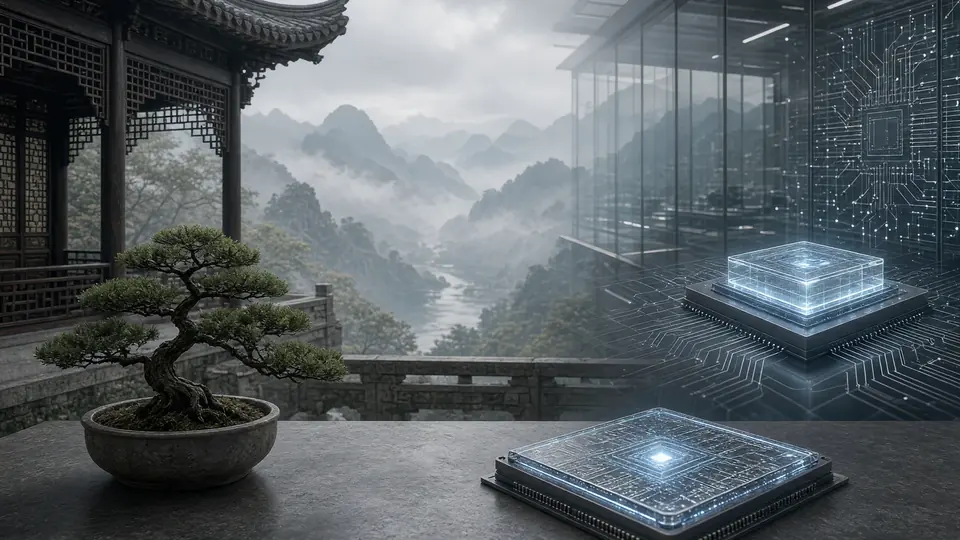
The upcoming meeting between the presidents of the United States and China in Washington will serve as a critical test of whether the two nations can deliver on their commitment to pursue "constructive strategic stability," even as both countries intensify their efforts to secure dominance in semiconductors, artificial intelligence, and critical supply chains.
The landscape has shifted considerably since President Xi Jinping's visit to the United States in May. In the months that have followed, both sides have identified and developed new pressure points in their ongoing technology confrontation, reshaping the contours of what has become one of the defining strategic competitions of the twenty-first century.
For years, Huawei Technologies has functioned as a focal point in the rivalry between the world's two largest economies. Despite Washington's tightening of export controls, the Chinese telecommunications and chipmaking company has persistently broken through barriers. The company's ambitions have grown so bold that "becoming Nvidia" has emerged as an internal objective within the organisation.
Just days before Xi departed for his high-stakes meeting with American President Donald Trump, Huawei unveiled a major technological advancement. The company announced a system that it claimed was capable of linking up to 1 million processors to function together as a single, unified computer. The timing of the announcement, coming immediately before the presidential summit, underscored the technological dimension of the strategic competition between Beijing and Washington.
The Washington summit is taking place at a moment when both countries have expanded their arsenals of economic and technological leverage. These instruments span AI development, semiconductor manufacturing, rare-earth supply, and the broader technology value chains that underpin modern economies. The two nations are locked in a protracted rivalry that shows no signs of abating, even as both express a desire for stability in their relationship.
The question of who holds the edge in this technology war has become increasingly complex. Since the last Xi-Trump summit, the dynamics have evolved in ways that defy simple assessment. The United States maintains advantages in certain areas of chip design and AI research, while China has demonstrated resilience and innovation in working around restrictions, as evidenced by Huawei's continued technological breakthroughs.
The concept of "constructive strategic stability" that both sides have agreed to work towards represents an acknowledgment that even as they compete fiercely in technology and economics, both nations recognise the need to manage their relationship in ways that prevent escalation into more dangerous confrontation. Whether this commitment can translate into practical cooperation or restraint remains one of the central questions as the two leaders prepare to meet.
The technology competition extends across multiple domains. In artificial intelligence, both countries are racing to develop cutting-edge capabilities with military and economic applications. In semiconductors, the battle involves not just the chips themselves but the entire ecosystem of design tools, manufacturing equipment, and materials. Rare earths, essential for advanced electronics and military systems, represent another dimension where China holds significant natural advantages but where the United States and its allies are working to develop alternative supply chains.
The wider technology supply chains have become sites of contestation as well, with both countries seeking to reduce dependence on the other while building resilience into their own industrial bases. This decoupling, or de-risking as some prefer to call it, carries profound implications for global commerce and innovation.
As the world watches the Washington meeting, the technology dimension will be among the most closely scrutinised aspects of the relationship. How Trump and Xi navigate these issues may shape not only their bilateral relationship but the global technological landscape for years to come.
Frequently asked questions
What is the purpose of the upcoming US-China presidential meeting in Washington?
The meeting will serve as a critical test of whether the two nations can deliver on their commitment to pursue 'constructive strategic stability,' even as both countries intensify their efforts to secure dominance in semiconductors, artificial intelligence, and critical supply chains.
What role has Huawei played in the US-China technology rivalry?
Huawei Technologies has functioned as a focal point in the rivalry for years. Despite Washington's tightening of export controls, the Chinese telecommunications and chipmaking company has persistently broken through barriers, with 'becoming Nvidia' emerging as an internal objective within the organization.
What major technological advancement did Huawei announce before the summit?
Huawei unveiled a system capable of linking up to 1 million processors to function together as a single, unified computer, with the announcement timed immediately before the presidential summit to underscore the technological dimension of the strategic competition.
What areas of technological competition exist between the US and China?
The competition spans AI development, semiconductor manufacturing, rare-earth supply, and broader technology value chains. The United States maintains advantages in certain areas of chip design and AI research, while China has demonstrated resilience and innovation in working around restrictions.
You may also like
 Education
Thailand becomes Southeast Asia's top printed circuit board manufacturer for AI
 Technology
Z.ai shares jump 37% after launching domestic chip-powered data centre
 International
US and China should establish AI safety standards like nuclear-era safeguards, says lawmaker
 Technology
KL Deemed University partners with HCL to launch agentic AI campus for students
Most read
- 1
Tesla audits Chinese suppliers to scale up Optimus robot production
- 2
Former minister Lakhan Singh Rajput to inaugurate temple bhandara at Shri Chakreshwar Mahadev
- 3
Firozabad BSA finds four government schools locked during inspection
- 4
Tamil Nadu dengue cases fall for third consecutive year to 17,049
- 5
Social workers stage silent protest at Fufund railway station for train halts
Comments
No comments yet. Be the first to comment.