
Cabinet Approves Rs 1.27 Lakh Crore for India Semiconductor Mission 2.0
India's Cabinet greenlights Semiconductor Mission 2.0 with Rs 1.27 lakh crore to enhance chip manufacturing and supply chain.

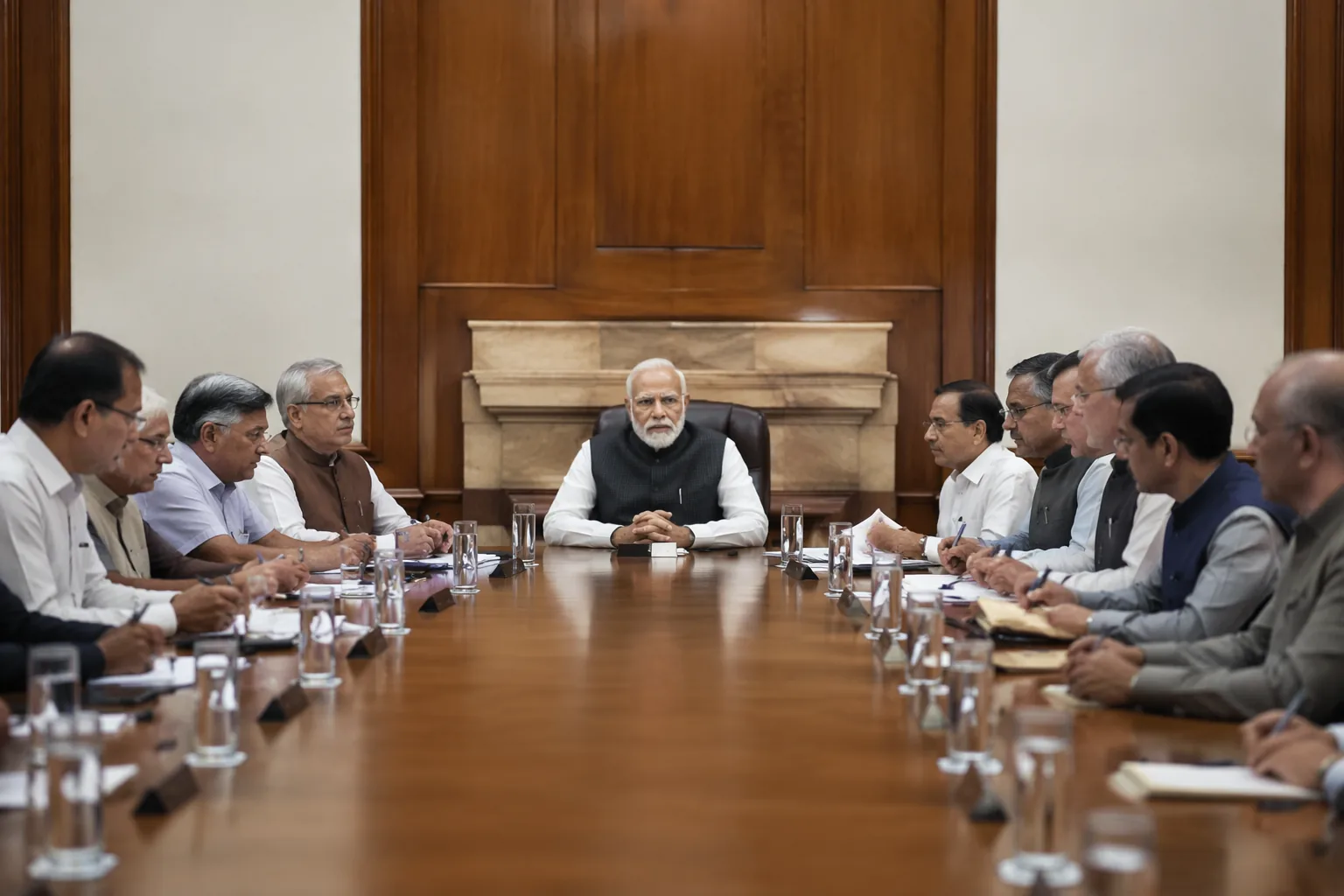
The Union Cabinet has greenlit the second phase of the India Semiconductor Mission (ISM 2.0) with a massive allocation of Rs 1.27 lakh crore. The six-year initiative will focus on bolstering the supply chain for semiconductor manufacturing, offering subsidies to companies producing essential materials like gases and chemicals. This marks a strategic pivot to strengthen India’s position in the global chip ecosystem.
Aims to Boost Domestic Chip Ecosystem
ISM 2.0 expands on its predecessor by introducing subsidies for research, development, and talent cultivation in the semiconductor sector. The initiative aligns with India’s broader goal of embedding itself into the global chip supply chain and enhancing domestic value addition in electronics manufacturing. By 2029, India aims to design and manufacture chips for 70-75% of its domestic needs, with aspirations to become a leading global semiconductor hub by 2035.
Lessons from ISM 1.0
Launched in 2021, ISM 1.0 laid the groundwork for India’s semiconductor ecosystem with a focus on fabrication, packaging, and design. The first phase attracted investments worth Rs 1.64 lakh crore and led to the approval of 12 chip plants across states like Gujarat, Assam, and Andhra Pradesh. These facilities include India’s first commercial-grade chip fabrication plant by Tata Electronics in Gujarat and assembly and testing plants by Micron Technology and others.
Notable Projects Under ISM
- Tata Electronics (Gujarat): India’s first commercial chip fab, developed with Taiwan’s PSMC, is under construction in Dholera at a cost of Rs 91,000 crore. It will have a monthly capacity of 50,000 wafers.
- Micron Technology (Gujarat): This assembly and testing plant, operational since February, marked a milestone in ISM 1.0.
- Tata Electronics (Assam): A Rs 27,000 crore facility in Jagiroad will produce 48 million chips daily for sectors like automotive and telecommunications.
- HCL-Foxconn (Uttar Pradesh): A Rs 3,700 crore OSAT facility near Noida International Airport is set to begin operations by 2028.
Shift in Subsidy Focus
Under ISM 2.0, the government plans to recalibrate its subsidy structure, reducing incentives for assembly and testing plants while prioritizing the ancillary industries supporting chip manufacturing. This shift reflects lessons learned from ISM 1.0, where subsidies were increased to 50% for certain projects, such as Micron’s Gujarat plant.
Why It Matters
Semiconductors are critical to modern technology, powering everything from consumer electronics to defense systems. Amid global supply chain disruptions and geopolitical tensions, India’s push to establish a robust semiconductor industry is both an economic and strategic imperative. The mission aims to reduce reliance on imports, create high-value jobs, and position India as a key player in the global chip market.
With ISM 2.0, India is doubling down on its semiconductor ambitions, signaling its intent to become a global leader in this high-stakes industry.
Source: Indian Express
Frequently asked questions
What is India Semiconductor Mission 2.0 and how much funding has it received?
India Semiconductor Mission 2.0 is a six-year initiative approved by the Union Cabinet with an allocation of Rs 1.27 lakh crore. It focuses on bolstering the semiconductor supply chain and offering subsidies to companies producing essential materials like gases and chemicals.
What are India's goals for semiconductor manufacturing by 2029 and 2035?
By 2029, India aims to design and manufacture chips for 70-75% of its domestic needs. By 2035, India aspires to become a leading global semiconductor hub.
What major semiconductor projects have been approved under ISM 1.0?
ISM 1.0 approved 12 chip plants across states including Gujarat, Assam, and Andhra Pradesh. Notable projects include Tata Electronics' commercial chip fab in Gujarat (Rs 91,000 crore), Micron Technology's assembly and testing plant in Gujarat, Tata Electronics' facility in Assam (Rs 27,000 crore), and HCL-Foxconn's OSAT facility in Uttar Pradesh (Rs 3,700 crore).
How does ISM 2.0 differ from ISM 1.0 in terms of subsidy focus?
ISM 2.0 recalibrates the subsidy structure by reducing incentives for assembly and testing plants while prioritizing ancillary industries that support chip manufacturing. This reflects lessons learned from ISM 1.0, where subsidies were increased to 50% for certain projects.
You may also like
 International
India’s Electronics Manufacturing Growth Still Relies on Chinese Components
 Technology
Apple leak raises doubts about India's manufacturing reliability
 Defence
Hong Kong sets June 30 deadline for talent movement in Hetao hub
 Technology
India's engineers evolve beyond coding to shape global solutions, AI transforms role
Most read
- 1
Air China Adds Extra Flight for Passengers Stranded in Fuel-Starved Cuba
- 2
Western disturbance to bring rain, hail and strong winds across north India
- 3
Yogi Adityanath Directs No Occupied Houses Be Demolished for Achhalda Bridge
- 4
Gwalior Temple Truck Crash Kills 12, Injures 28-29 Devotees During Navratri
- 5
Schools Shut in Five Tamil Nadu Districts, Including Chennai, Amid Heavy Rain
Comments
No comments yet. Be the first to comment.