
Building Near Heritage Sites Faces Strict Legal Restrictions in India
Discover the laws governing construction near heritage sites in India. Learn about prohibited and regulated areas to protect historical treasures.

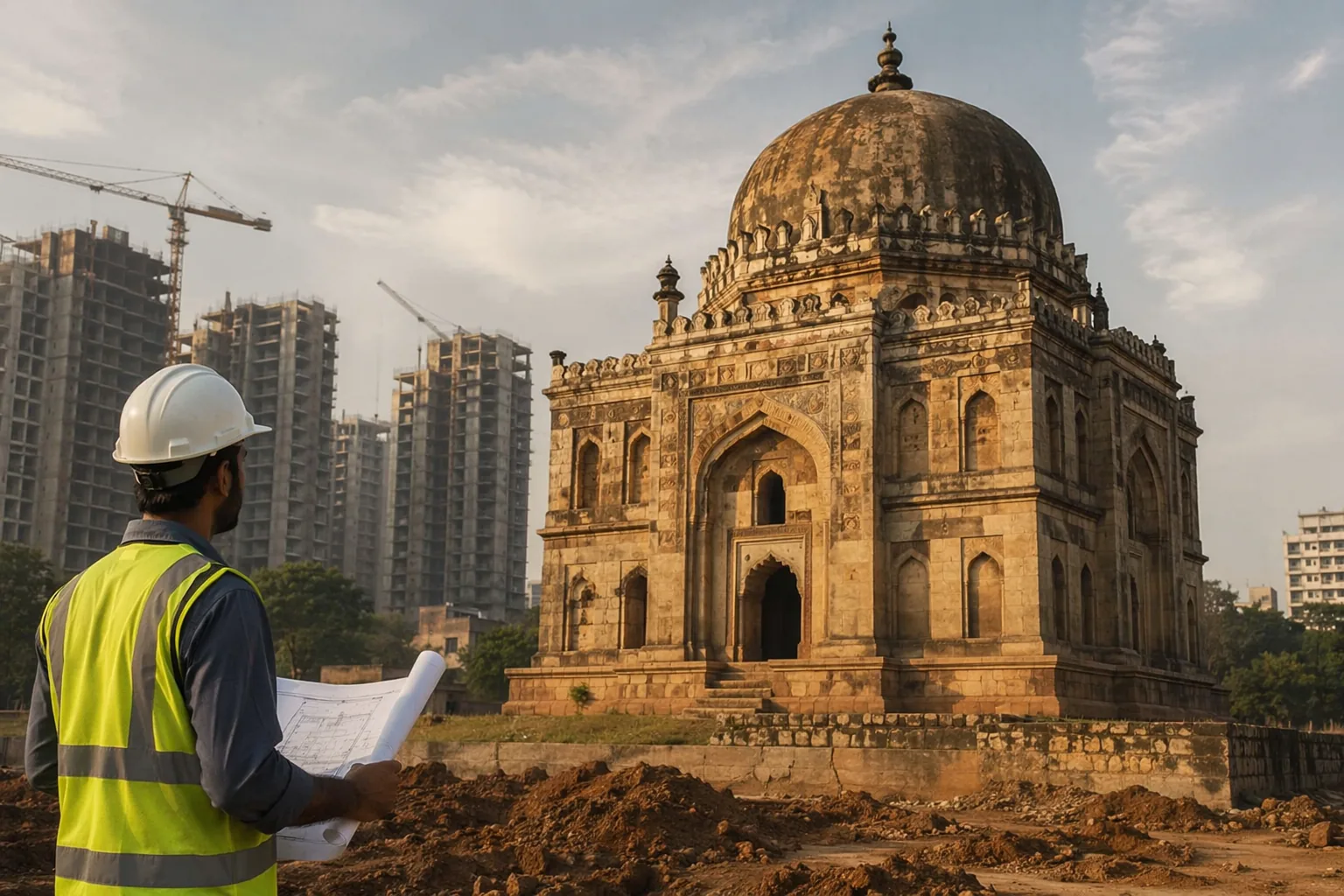
Can You Build a House Next to a Heritage Site? What the Law Says
Living near a historic monument, such as a centuries-old fort or grand palace, may seem like a dream come true, but building close to these heritage sites is subject to stringent legal restrictions. These laws are designed to protect India's archaeological and historical treasures for future generations.
The primary legislation governing construction around heritage sites is the Ancient Monuments and Archaeological Sites and Remains Act, 1958. This act sets out clear guidelines to preserve the character, safety, and integrity of protected monuments.
Prohibited Areas
Under Section 20A of the act, a "prohibited area" is defined as the zone extending 100 metres in all directions from the boundary of a protected site or monument. Construction activities are strictly forbidden in this area, except for archaeological work carried out by authorized officials.
The central government has the authority to extend the prohibited area beyond 100 metres based on recommendations from the National Monuments Authority. However, Section 20C provides exceptions for buildings or structures that existed in the prohibited area before June 16, 1992, or were constructed with approval from the Director-General. Owners of such properties can apply for permission to carry out reconstruction, repair, or renovation.
Regulated Areas
Beyond the prohibited area, the law defines a "regulated area," which extends 200 metres further in all directions. Construction, reconstruction, repair, renovation, or development activities in this zone require prior approval from the competent authority. While individuals can buy, sell, inherit, or hold property in regulated areas, any proposed activity on the land must undergo scrutiny to ensure it does not harm the monument’s preservation, safety, security, or heritage character.
Localised Laws for Specific Monuments
Some monuments have additional, localised restrictions under Section 20E of the act. For instance, the area within 500 metres of the Taj Mahal is a no-construction zone. Furthermore, buildings taller than two storeys are not permitted in the zone extending from 750 metres to one kilometre around the monument. Similar height and land-use controls apply to other iconic sites like Qutub Minar and Humayun's Tomb. These specific rules are tailored to preserve the unique character and significance of each monument.
Conclusion
Building near a heritage site in India is subject to a complex framework of laws aimed at safeguarding the country’s rich historical legacy. Whether you’re planning construction or renovation, understanding these legal boundaries is essential to ensure compliance and contribute to the preservation of India's cultural heritage. [S1-S7]
Frequently asked questions
What is the Ancient Monuments and Archaeological Sites and Remains Act, 1958?
It is the primary legislation governing construction around heritage sites in India, aimed at preserving the character, safety, and integrity of protected monuments.
What is a 'prohibited area' according to the law?
A 'prohibited area' is defined as the zone extending 100 metres in all directions from the boundary of a protected site or monument, where construction activities are strictly forbidden.
Can construction occur in regulated areas?
Yes, construction in regulated areas, which extend 200 metres beyond the prohibited area, requires prior approval from the competent authority.
Are there specific restrictions for certain monuments like the Taj Mahal?
Yes, some monuments have additional localized restrictions, such as a no-construction zone within 500 metres of the Taj Mahal and height restrictions within 750 metres to one kilometre around it.
What should property owners do if they want to renovate a building in a prohibited area?
Owners of properties that existed in the prohibited area before June 16, 1992, or were constructed with approval can apply for permission to carry out reconstruction, repair, or renovation.
You may also like
 Technology
Solar Eclipse 2026: Total Surya Grahan Today 12 August, Time in India and Where to Watch
 Politics
Congress Whips MPs to Attend Key Parliamentary Sessions from August 10-12
 Uttar Pradesh
Lucknow-Kanpur Expressway faces major issues just 18 days post-opening
 Politics
Election Chief Gyanesh Kumar Highlights Unmatched Transparency in Voter Rolls
Most read
- 1
Raja Mahendra Pratap Singh University launches 'Free Thinkers Club' for students
- 2
Andhra Pradesh Cabinet Ministers List 2026 with Contact Numbers and Portfolios
- 3
Teacher arrives drunk at Firozabad school, sparks chaos and protests
- 4
Hamirpur stenographer rescued after suicide attempt from bridge
- 5
Tamil Nadu Cabinet Ministers List 2026 with Portfolios
Comments
No comments yet. Be the first to comment.