
Bhopal, Indore Among 11 Emerging Real Estate Markets; Gwalior Left Out
A September 2026 report by CII and Knight Frank India has put Bhopal and Indore from Madhya Pradesh among the country’s 11 emerging real estate markets, while Gwalior does not figure in the list.

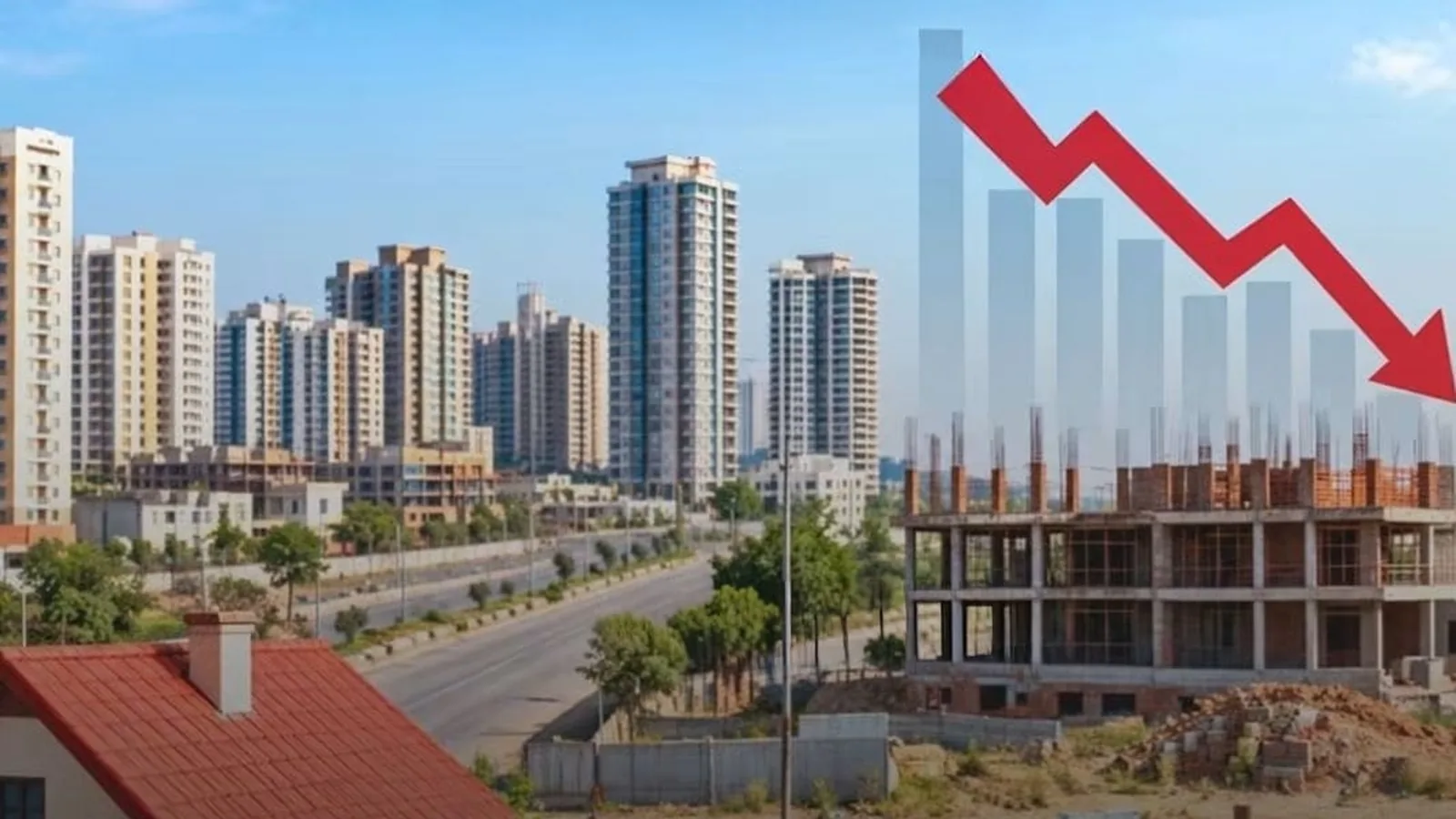
A September 2026 report by CII and Knight Frank India has put Bhopal and Indore from Madhya Pradesh among the country’s 11 emerging real estate markets, while Gwalior does not figure in the list. The report, titled “India’s Next Real Estate Markets”, is significant for Madhya Pradesh’s property market because it draws a clear contrast between the cities that are being counted among the next growth centres and those that have been left out.
According to the report, residential property prices across these 11 emerging markets rose by an average of 63% between 2021 and 2026. In the same period, the rise in the country’s top-8 metropolitan markets was 42%. This means that, in recent years, smaller and emerging cities have shown faster momentum in residential real estate prices than the larger metropolitan markets.
The 11 markets named in the report are Bhopal, Bhubaneswar, Chandigarh Tricity, Goa, Indore, Jaipur, Kochi, Lucknow, Nagpur, Visakhapatnam and Coimbatore. From Madhya Pradesh, only Bhopal and Indore have made it to this list. Gwalior is not included among the 11 cities.
The report’s broader message is that expressways, airports, roads and large projects are important, but they are not enough on their own. For a city’s property market to sustain long-term growth, those infrastructure improvements need to be accompanied by jobs, companies, rising incomes and higher spending capacity among residents. Only then does the impact become visible in the real estate market over a longer period.
This is where the report becomes especially important for Gwalior. The report has not published any separate city-wise explanation for why Gwalior was kept out of the list. Therefore, it would not be correct to say that Knight Frank has directly declared Gwalior as “backward” or lagging. However, the broad parameters that the report links with the strength of an emerging real estate market, employment, business, connectivity, consumption, population and urban capacity, do raise important questions for Gwalior.
The comparison with Indore is also notable. In the data emerging from the report, Indore is not mentioned only because of its residential market. It also appears among cities seeing emerging warehousing and logistics activity. In 2025, six major tier-2 markets, Lucknow, Jaipur, Nagpur, Indore, Coimbatore and Bhubaneswar, together accounted for 5.3 million square feet of warehousing leasing.
This shows that the real estate story is no longer only about colonies and flats. Industry, logistics, offices, retail, employment and consumer markets have also become equally important to the property cycle. A city’s residential market can gain strength when it is supported by wider economic activity and a stronger commercial ecosystem.
The report also highlights a longer-term trend in prices. According to it, the average CAGR of residential prices in the 11 emerging markets during 2016-2026 was around 8%. In comparison, the CAGR in the country’s top-8 cities was around 4%. The difference became even clearer during 2021-2026, when the 11 emerging markets recorded 63% growth, compared with 42% in the top-8 cities.
The direct meaning is that the next big expansion in real estate is not limited only to major metropolitan centres such as Mumbai, Delhi and Bengaluru. As economic activity and urbanisation grow in smaller cities, new property hubs are also being created outside the biggest urban markets.
For Gwalior, the report brings the challenge into sharper focus. The city has long been looking for its role within the Delhi-Agra-Gwalior-Jhansi region, especially in the context of connectivity, industrial investment and regional trade possibilities. But the question now is not only how much land and house prices have increased in Gwalior.
The larger question is how many new jobs have come to the city, how many new companies have entered, how much industrial activity has grown, how much people’s income and purchasing capacity have improved, and how strong a commercial ecosystem has been built alongside real estate. In property markets, an increase in land prices alone is not proof of development. The economy that makes land more valuable also needs to be strong.
In the report’s snapshot, “India’s Next Real Estate Markets 2026” is the key publication, issued by CII and Knight Frank India. It identifies 11 emerging markets. It records a 63% price rise in these markets during 2021-26, while the top-8 cities saw 42% growth. For the 2016-26 period, the CAGR in the 11 emerging markets was 8%, compared with 4% in the top-8. The Madhya Pradesh cities included are Bhopal and Indore. Gwalior is not included in the list of 11 cities.
For now, the biggest message for Gwalior from this report is that the city will have to move beyond the discussion around connectivity alone. It will need to build an economy around employment, industry, business and consumption that can give momentum to real estate not merely through land prices, but through real economic activity.
Frequently asked questions
Which Madhya Pradesh cities are listed as emerging real estate markets in the report?
Bhopal and Indore are the two cities from Madhya Pradesh included among the 11 emerging real estate markets named in the CII and Knight Frank India report.
Is Gwalior included in the list of 11 emerging real estate markets?
No. Gwalior does not figure in the list of 11 emerging real estate markets mentioned in the report.
How much did residential property prices rise in the 11 emerging markets between 2021 and 2026?
Residential property prices across the 11 emerging markets rose by an average of 63% between 2021 and 2026, compared with 42% in the top-8 metropolitan markets.
What factors does the report link to long-term real estate growth?
The report says infrastructure such as expressways, airports and roads must be supported by jobs, companies, rising incomes and higher spending capacity for long-term real estate growth.
Why is Indore notable beyond its residential real estate market?
Indore is also mentioned among cities seeing emerging warehousing and logistics activity, along with markets such as Lucknow, Jaipur, Nagpur, Coimbatore and Bhubaneswar.
You may also like
 Education
GRMC Junior Doctors Strike Over Alleged Assault On Dean, OPD Services Hit
 Accident
Gwalior Temple Road Accident Triggers Magisterial Inquiry, Report Due In 7 Days
 National
Weapons of 745 Sadhus Who Sacrificed Their Lives Worshipped in Gwalior
 Politics
Jyotiraditya Scindia Follows 200-Year-Old Dussehra Tradition in Gwalior
Most read
- 1
Air China Adds Extra Flight for Passengers Stranded in Fuel-Starved Cuba
- 2
Western disturbance to bring rain, hail and strong winds across north India
- 3
Yogi Adityanath Directs No Occupied Houses Be Demolished for Achhalda Bridge
- 4
Gwalior Temple Truck Crash Kills 12, Injures 28-29 Devotees During Navratri
- 5
Heavy Rain Waterlogs Bengaluru, Snarls Traffic; Ride-Hailing Fares Surge
Comments
No comments yet. Be the first to comment.