
US-backed projects in Kazakhstan seek to curb China’s tungsten dominance
US-backed mining projects in Kazakhstan aim to build an alternative tungsten supply chain as China’s dominance and rising drill-bit costs pressure

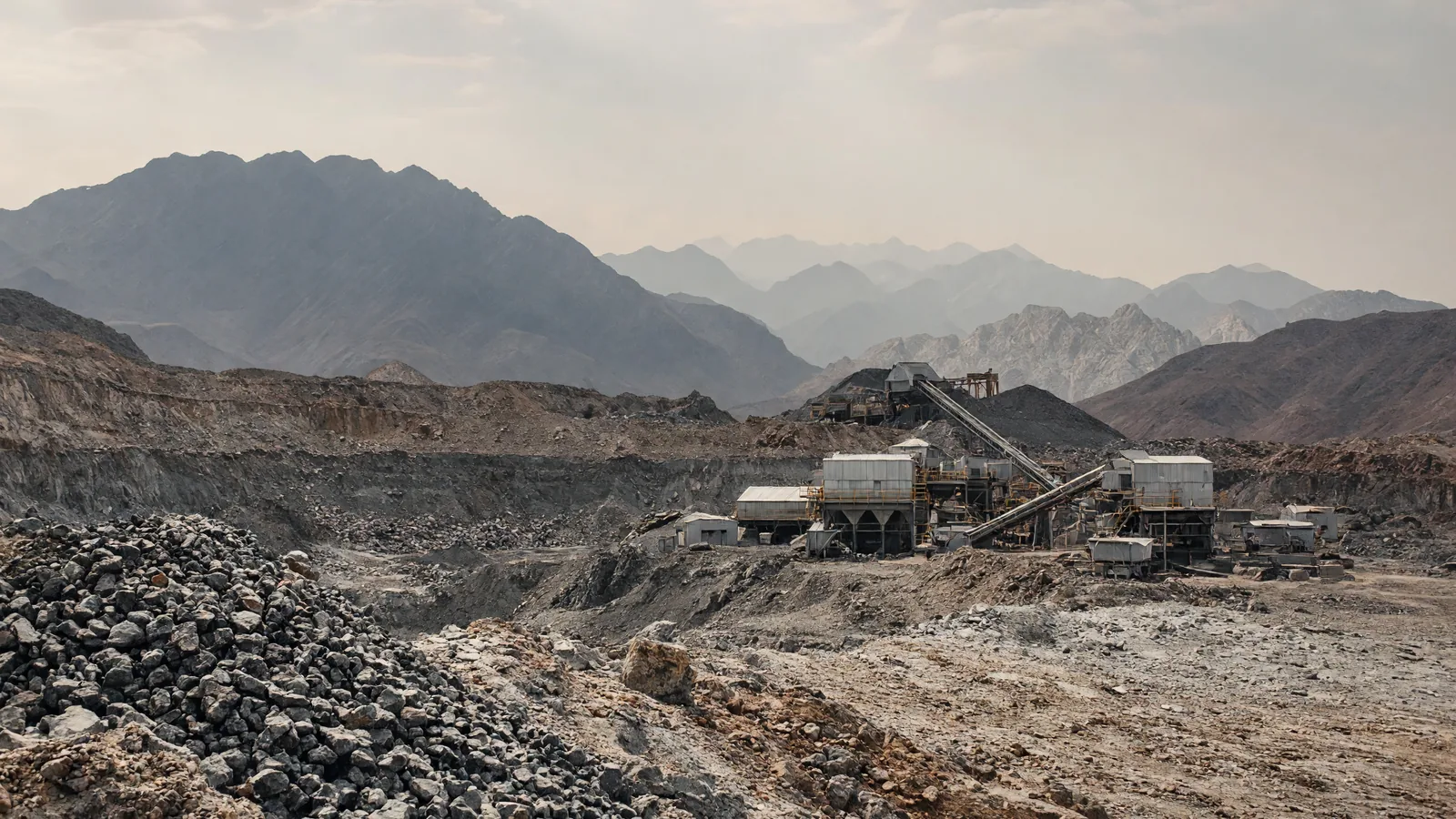
China has dominated the tungsten industry for decades, and efforts to reduce that dominance are now moving to Kazakhstan. United States-backed mining projects in the Central Asian country are trying to build a new supply chain for the metal and compete in an industry where Chinese investment already has an operating foothold.
Kazakhstan has become the centre of US efforts to develop this alternative supply chain. The projects are aimed at creating a source of tungsten outside China’s established influence. However, analysts say China’s lead will be difficult to overcome.
The challenge facing these projects is that they are entering an industry where China has already built a strong position. Chinese investment is not only present in the sector; it already has an operating foothold. This means the US-backed efforts in Kazakhstan are trying to establish a competing supply chain against an existing Chinese presence rather than starting in an empty market.
The race to loosen China’s grip on tungsten is linked to a wider supply squeeze. The pressure is being felt beyond mining and investment, including by US companies that make equipment for the oil industry.
These companies are redesigning one of their most important tools as the global shortage increases the cost of making drill bits. Drill bits are used to cut through rock, and the shortage of tungsten is adding to the cost of producing them.
According to Ulterra Drilling Technologies, the cost of manufacturing drill bits had risen by as much as 50 per cent over the past year. The company is responding by shifting production towards steel-bodied models.
The move comes with a trade-off. Drill bits containing more tungsten typically last longer when cutting through hard, abrasive rock. Steel-bodied models are being used as production shifts, even though the tungsten-containing bits generally offer longer working life in those demanding conditions.
The situation highlights the industrial pressure created by the shortage. The search for new tungsten supplies is not limited to governments or mining companies. It is also affecting manufacturers whose products depend on the metal and are now facing higher production costs.
For US-backed projects in Kazakhstan, the goal is to help create a new supply chain in a sector where China has held the advantage for decades. Kazakhstan is therefore at the centre of efforts to challenge that dominance in Central Asia.
But the outcome of the effort remains unclear. Analysts say China’s lead will be difficult to overcome, while the impact of the shortage is already being seen in the redesign and manufacture of drill bits.
Frequently asked questions
Why are US-backed projects being developed in Kazakhstan?
They are intended to create a tungsten supply chain outside China and challenge China’s long-standing dominance of the industry.
What advantage does China currently have in Kazakhstan’s tungsten sector?
Chinese investment already has an operating foothold, giving China an established position in the sector.
How is the tungsten shortage affecting drill-bit manufacturers?
It has increased manufacturing costs, with Ulterra Drilling Technologies reporting rises of up to 50% over the past year.
How are some companies responding to higher tungsten costs?
They are shifting production toward steel-bodied drill bits, although tungsten-containing bits generally last longer in hard, abrasive rock.
You may also like
 International
China’s Jiada Lithium Mine Adds 1.05 Million Tonnes to Resources
 International
Chinese Business Leaders Left Out Of Xi White House State Dinner
 International
Chinese researchers discover Pacific seabed deposit with record precious metal concentrations
 International
US pledges 150 million dollars to counter China's influence across Pacific islands
Most read
- 1
Air China Adds Extra Flight for Passengers Stranded in Fuel-Starved Cuba
- 2
Western disturbance to bring rain, hail and strong winds across north India
- 3
Yogi Adityanath Directs No Occupied Houses Be Demolished for Achhalda Bridge
- 4
Gwalior Temple Truck Crash Kills 12, Injures 28-29 Devotees During Navratri
- 5
Schools Shut in Five Tamil Nadu Districts, Including Chennai, Amid Heavy Rain
Comments
No comments yet. Be the first to comment.