
Understanding Summer Air Pollution in Indian Cities
Summer air pollution in Indian cities is influenced by ozone levels, PM10 spikes, dust storms, and human activities. This article explains the factors and potential solutions.

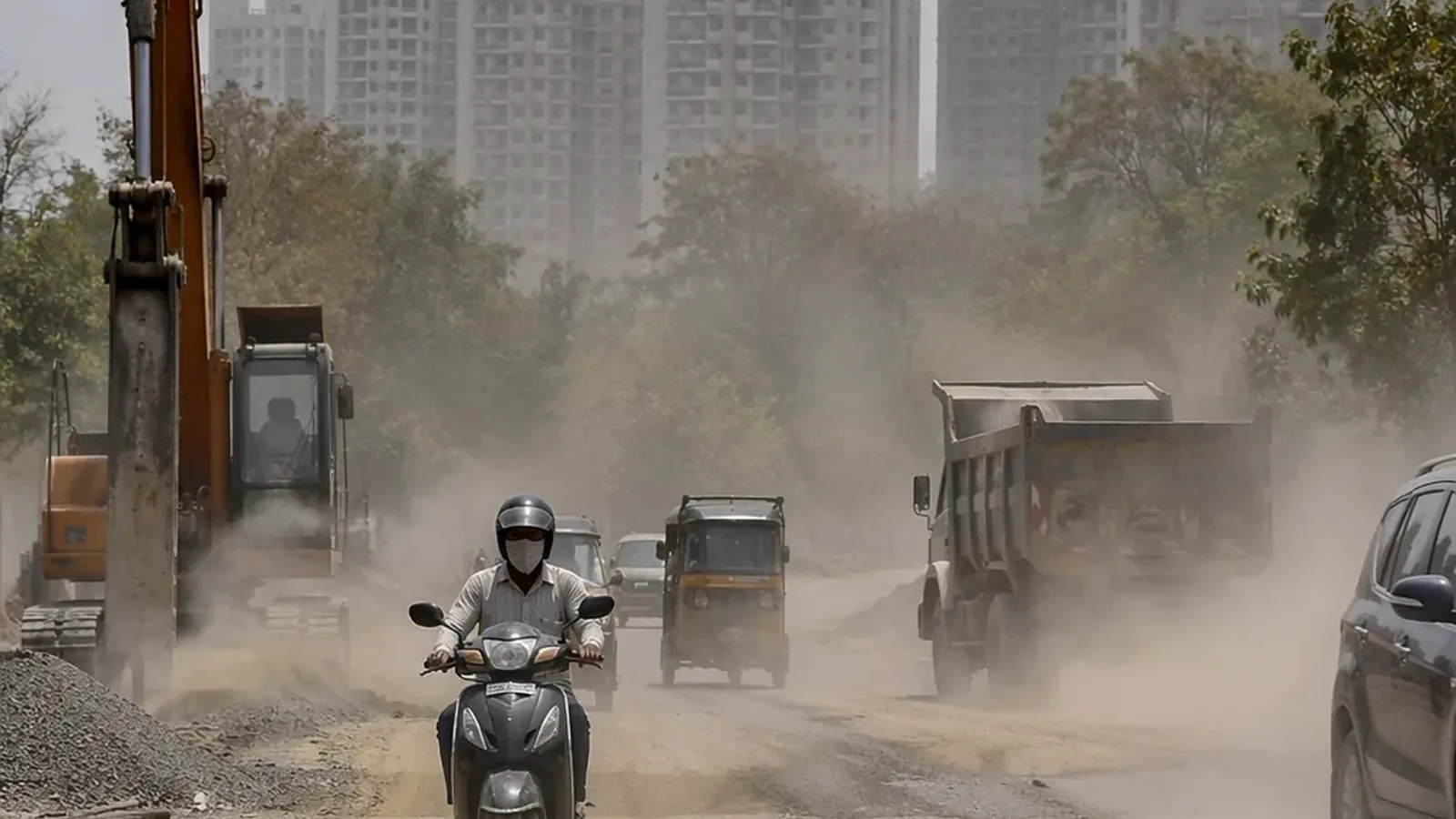
Air pollution in Indian cities during summer differs significantly from winter pollution, with unique challenges arising from seasonal factors. The Hindu's report highlights how ozone levels, particulate matter (PM10), and dust storms contribute to the worsening air quality during the hotter months.
Ozone, a key pollutant, tends to rise in hot weather due to increased sunlight and higher temperatures, which accelerate chemical reactions in the atmosphere. This phenomenon makes summer air pollution distinct from the smog-heavy conditions typically seen in winter. Additionally, PM10 levels often spike during summer, driven by both natural and human-induced factors. Dust storms, common in arid and semi-arid regions, play a significant role in elevating particulate matter concentrations, further degrading air quality.
Human activities, such as construction, vehicular emissions, and industrial processes, exacerbate the situation. These activities release pollutants that interact with natural factors, intensifying the pollution levels. The report also emphasizes the need for cities to adopt targeted measures to combat summer air pollution effectively. Strategies could include stricter regulation of emissions, better urban planning, and increased public awareness about pollution control.
The Hindu's analysis sheds light on the complexities of summer air pollution and underscores the importance of addressing both natural and anthropogenic contributors to ensure cleaner air in Indian cities.
Frequently asked questions
How does summer air pollution in Indian cities differ from winter pollution?
Summer air pollution in Indian cities is characterized by higher ozone levels, increased particulate matter (PM10), and dust storms, unlike the smog-heavy conditions typical of winter.
What are the main contributors to summer air pollution in India?
The main contributors include high ozone levels due to increased sunlight, spikes in PM10 from natural and human-induced factors, and dust storms.
What human activities exacerbate summer air pollution?
Human activities such as construction, vehicular emissions, and industrial processes release pollutants that worsen summer air quality.
What measures can cities take to combat summer air pollution?
Cities can adopt stricter emission regulations, improve urban planning, and increase public awareness about pollution control.
You may also like
 National
APPCB to Divert Vizag Port, Steel Plant Traffic to Curb Pollution
 Punjab
Farm fires shifting to evenings are evading satellite detection, study finds
 National
Malaysia moves PM's National Day address indoors as hazardous haze forces venue shift
 National
Ho Chi Minh City delays low-emission zone launch to July 2027
Most read
- 1
Air China Adds Extra Flight for Passengers Stranded in Fuel-Starved Cuba
- 2
Western disturbance to bring rain, hail and strong winds across north India
- 3
Yogi Adityanath Directs No Occupied Houses Be Demolished for Achhalda Bridge
- 4
Gwalior Temple Truck Crash Kills 12, Injures 28-29 Devotees During Navratri
- 5
Heavy Rain Waterlogs Bengaluru, Snarls Traffic; Ride-Hailing Fares Surge
Comments
No comments yet. Be the first to comment.