
Telangana’s Granite Industry Faces Economic Challenges
Telangana's granite sector, once a robust contributor to the economy, is grappling with shrinking export markets and rising input costs, affecting quarry owners, factory operators, and workers in Karimnagar and Khammam districts.

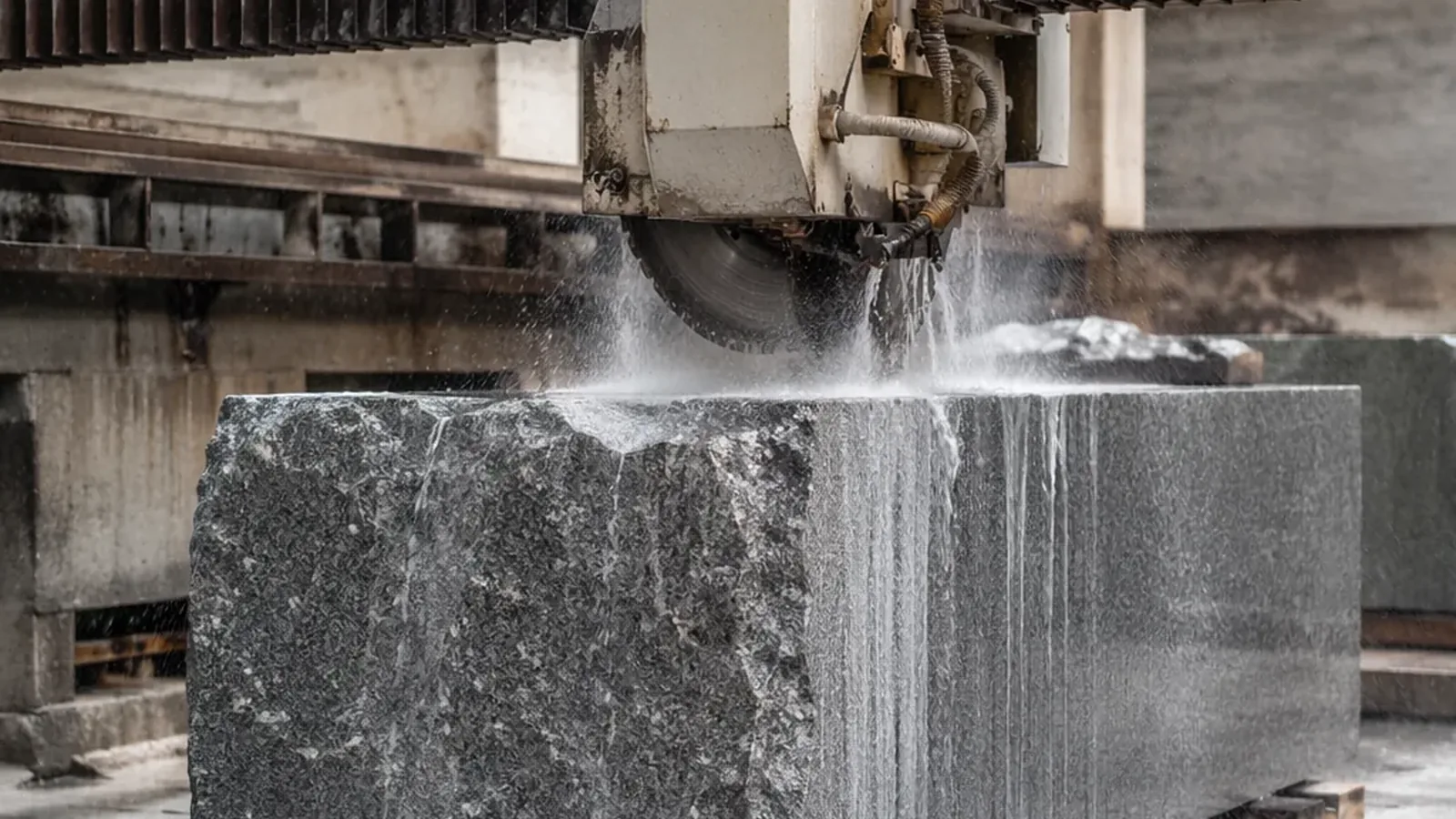
Telangana’s granite industry, a key economic driver in the state, is facing significant challenges as export markets contract and operational costs rise. The downturn has impacted quarry owners, factory operators, and migrant workers, particularly in Karimnagar and Khammam districts, which are known for their granite production.
According to a report by The Hindu, the industry’s prolonged struggles have led to growing concerns among stakeholders. Export opportunities, once a major source of revenue, have diminished, while the costs of raw materials and machinery continue to climb. This combination of factors has put immense pressure on businesses operating in the sector.
The granite trade in Telangana has historically provided employment to a large number of workers, including migrants. However, the current economic strain has reportedly led to reduced activity in quarries and factories, affecting livelihoods and raising questions about the future of the industry.
Further analysis of the situation highlights the need for measures to address the challenges faced by the sector. Stakeholders are reportedly seeking solutions to stabilize operations and revive export opportunities, which are critical for sustaining the industry.
This story underscores the broader economic implications of the granite trade’s decline in Telangana, with ripple effects on employment and regional development.
Editors are advised to verify additional details about specific measures being considered by stakeholders and the extent of the impact on workers.
Frequently asked questions
What challenges is Telangana's granite industry currently facing?
The granite industry in Telangana is facing challenges due to contracting export markets and rising operational costs.
Which districts in Telangana are primarily affected by the granite industry's downturn?
The downturn is particularly impacting quarry owners and workers in the Karimnagar and Khammam districts.
How has the granite industry's struggles affected employment?
The struggles have led to reduced activity in quarries and factories, affecting the livelihoods of many workers, including migrants.
What are stakeholders seeking to address the challenges in the granite industry?
Stakeholders are seeking solutions to stabilize operations and revive export opportunities critical for sustaining the industry.
You may also like
 National
Telangana liquor sales cross ₹2,000 crore as beer volumes jump 41%
 National
Telangana Urban Areas Record 6.85-Metre Groundwater Drop In One Year
 National
Tirupati NCC Cadet K. Thirumal Wins Gold at Telangana Equestrian Championship
 National
Telangana to Host Gunturu Seshendra Sharma Birth Centenary Celebrations in Hyderabad
Most read
- 1
Air China Adds Extra Flight for Passengers Stranded in Fuel-Starved Cuba
- 2
Western disturbance to bring rain, hail and strong winds across north India
- 3
Yogi Adityanath Directs No Occupied Houses Be Demolished for Achhalda Bridge
- 4
Gwalior Temple Truck Crash Kills 12, Injures 28-29 Devotees During Navratri
- 5
Schools Shut in Five Tamil Nadu Districts, Including Chennai, Amid Heavy Rain
Comments
No comments yet. Be the first to comment.