
Pacific island nations play superpowers, securing Western defence deals and Chinese investment
Island nations sign security pacts with Australia while accepting Chinese infrastructure investment, leveraging superpower rivalry for economic and securit

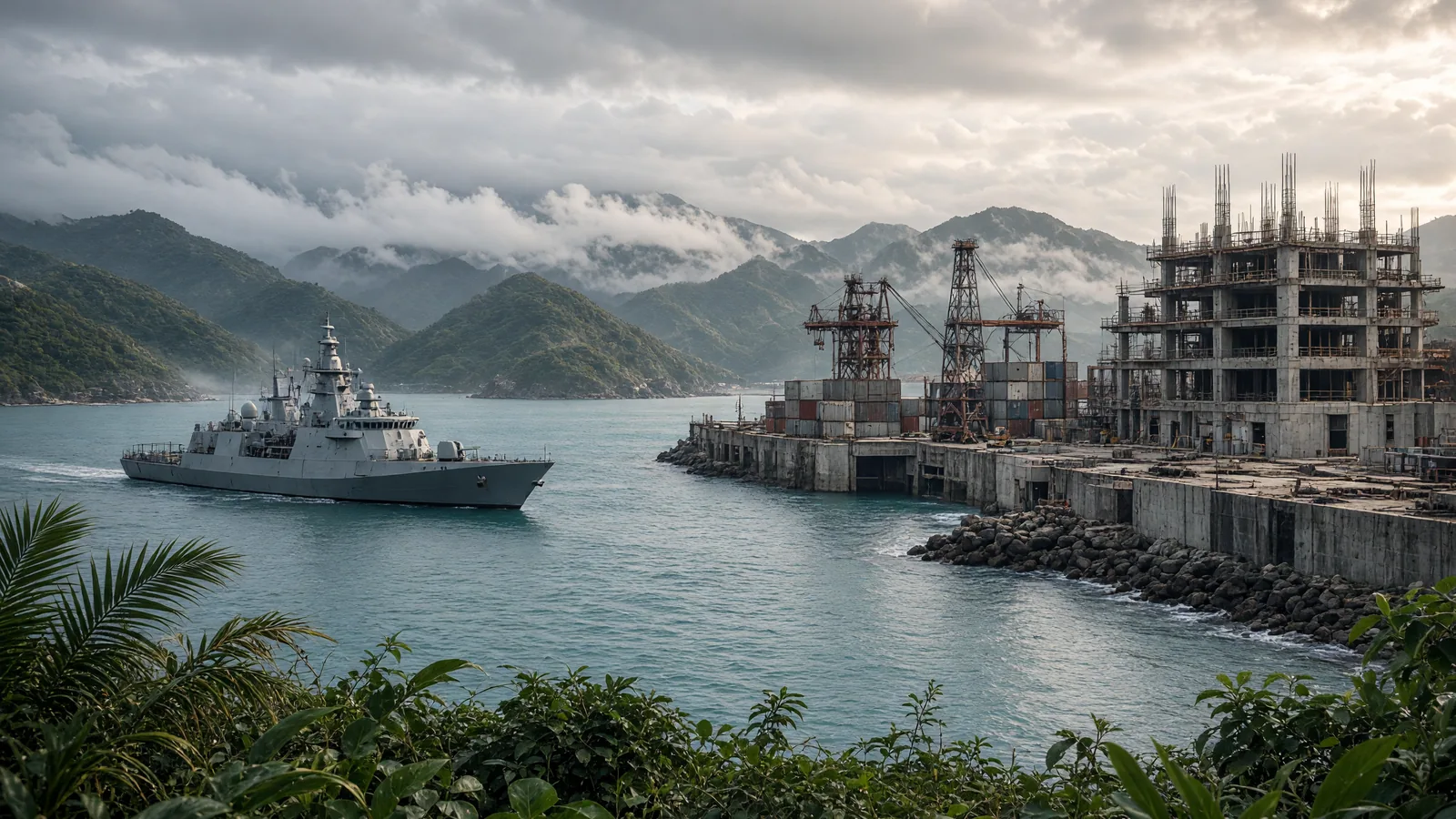
Pacific island nations are simultaneously signing Western defence agreements and accepting Chinese infrastructure investment, exploiting superpower rivalry to extract maximum benefit from both sides.
Security partnerships tilt toward Canberra
Vanuatu, located 1,750 kilometres east of Australia, inked a security pact with Canberra in June. Days later in early July, Fiji signed its first mutual defence treaty with Australia, an agreement structured to allow other Pacific nations to join.
Beijing responded to both deals with near-identical statements, cautioning that regional cooperation should not target third parties or fuel geopolitical gamesmanship.
Economic ties remain firmly Chinese
While defence alliances flow westward, island governments continue courting Beijing's economic presence through infrastructure projects and what Chinese officials describe as "small and beautiful" aid programmes. This dual approach allows Pacific capitals to secure military guarantees from Western partners while maintaining the trade and development flows that underpin their economies.
Australia's Pacific contest
Foreign Minister Penny Wong frames the competition as a "permanent contest" against an increasingly assertive China. Canberra aims to position itself as the Pacific's preferred security partner and marginalise Chinese influence in the region, according to Connor Graham, a research fellow at Sydney's Lowy Institute.
The flurry of defence pacts marks a sharp reversal for a region Western powers long dismissed as a geopolitical backwater. Island leaders now hold leverage that would have been unthinkable a decade ago, translating great-power anxiety into tangible security and economic gains without committing exclusively to either camp.
Source: South China Morning Post
Frequently asked questions
Which Pacific island nations have recently signed defence agreements with Western powers?
Vanuatu signed a security pact with Australia in June, and Fiji signed its first mutual defence treaty with Australia in early July. The Australian agreement with Fiji is structured to allow other Pacific nations to join.
How are Pacific island nations balancing relationships with both Western and Chinese powers?
Pacific island nations are simultaneously signing defence agreements with Western partners like Australia while continuing to accept Chinese infrastructure investment and aid programmes. This dual approach allows them to secure military guarantees from the West while maintaining economic trade and development flows from China.
What has been China's response to these Western defence deals?
China has responded with near-identical cautionary statements, urging that regional cooperation should not target third parties or fuel geopolitical gamesmanship.
Why do Pacific island nations now have increased leverage in geopolitical negotiations?
Great-power competition between Western nations and China for influence in the Pacific has given island leaders unprecedented leverage. They can now extract security guarantees and economic benefits from both sides without committing exclusively to either camp, a position that would have been unthinkable a decade ago.
You may also like
 International
US pledges 150 million dollars to counter China's influence across Pacific islands
 National
Vietnam's President To Lam Strengthens Ties with Australia and New Zealand
 International
Thailand Gains Edge Over Vietnam as Chinese Firms Expand Overseas
 Politics
Jaishankar Welcomes UAE Foreign Minister Sheikh Abdullah in Mumbai for Talks
Most read
- 1
Air China Adds Extra Flight for Passengers Stranded in Fuel-Starved Cuba
- 2
Western disturbance to bring rain, hail and strong winds across north India
- 3
Yogi Adityanath Directs No Occupied Houses Be Demolished for Achhalda Bridge
- 4
Gwalior Temple Truck Crash Kills 12, Injures 28-29 Devotees During Navratri
- 5
Schools Shut in Five Tamil Nadu Districts, Including Chennai, Amid Heavy Rain
Comments
No comments yet. Be the first to comment.