
No Excise Duty on Petrol with 22%-30% Ethanol Blend: Government's New
The central government has announced that petrol blended with 22%-30% ethanol will be exempt from excise duty. This move aims to reduce crude oil imports and promote clean energy. However, no relief has been provided for petrol with 20% ethanol (E20).

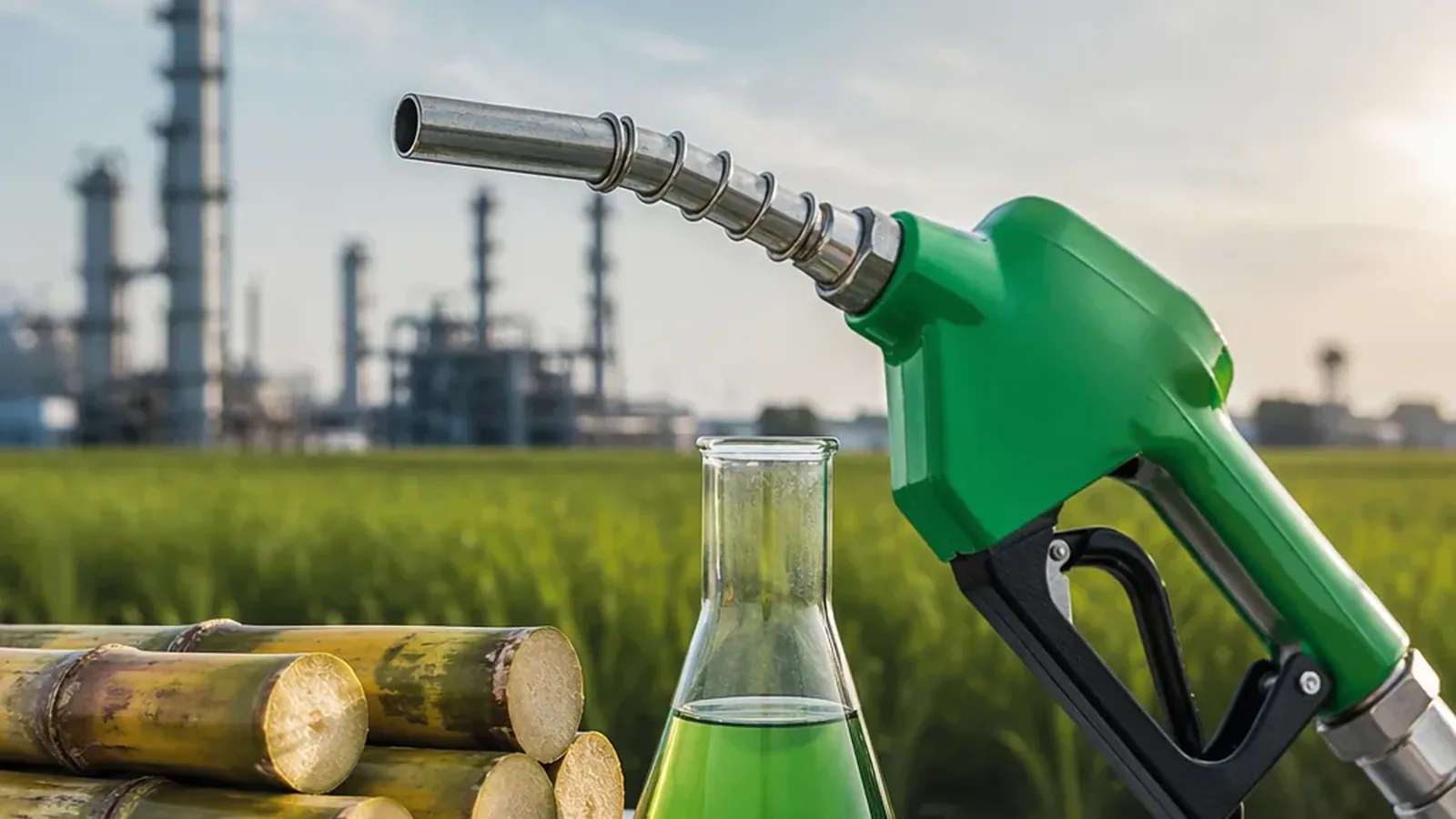
The central government has issued a notification exempting petrol with 22%-30% ethanol blend from excise duty. This includes four new petrol variants: E22, E25, E27, and E30. However, petrol with 20% ethanol (E20) will not receive this tax exemption. The decision is part of efforts to reduce crude oil imports and encourage green energy.
Ethanol, an alcohol derived from the fermentation of starch and sugar, is primarily produced from sugarcane juice but can also be made from materials like maize, cassava, and spoiled vegetables. It is blended with petrol to create eco-friendly fuel.
India currently imports about 87% of its crude oil needs. The government aims to reduce this dependency by incentivizing higher ethanol blending. The Bureau of Indian Standards (BIS) has already established fuel-quality standards for E22, E25, E27, and E30 blends under IS 19850:2026, effective from May 15, 2026.
India's ethanol blending program has progressed rapidly. The target for 20% ethanol blending (E20), initially set for 2030, was advanced to 2025-26. In June 2022, oil companies achieved 10% blending five months ahead of schedule. However, concerns about mileage and engine performance with E20 fuel have been raised, particularly for older vehicles. The Supreme Court dismissed a petition against the nationwide rollout of E20 fuel in September 2025.
While ethanol is often perceived as cheaper, government data indicates that its procurement cost, including transportation and GST, is higher than refined petrol. As of July 31, 2025, the average cost of ethanol was ₹71.32 per litre, complicating efforts to reduce retail petrol prices despite increased ethanol blending.
Key Points
- Petrol with 22%-30% ethanol blend is exempt from excise duty; E20 is not included.
- Four new ethanol-petrol variants (E22, E25, E27, E30) introduced under the policy.
- India aims to reduce crude oil imports and promote green energy through this initiative.
- BIS standards for higher ethanol blends are effective from May 15, 2026.
- Ethanol procurement costs remain higher than refined petrol, affecting retail pricing.
Frequently asked questions
What types of petrol are exempt from excise duty?
Petrol with 22%-30% ethanol blend, specifically the variants E22, E25, E27, and E30, are exempt from excise duty.
Is petrol with 20% ethanol (E20) exempt from excise duty?
No, petrol with 20% ethanol (E20) is not included in the excise duty exemption.
What is the government's goal with the new ethanol blending initiative?
The government aims to reduce crude oil imports and promote green energy through the new ethanol blending initiative.
When will the Bureau of Indian Standards (BIS) standards for higher ethanol blends take effect?
The BIS standards for E22, E25, E27, and E30 blends will be effective from May 15, 2026.
How does the cost of ethanol compare to refined petrol?
Government data indicates that the procurement cost of ethanol, including transportation and GST, is higher than that of refined petrol.
You may also like
 Agriculture
India Bioenergy Expo 2026 Highlights Green Energy and Farmer Empowerment
 Education
TTD Board Unveils Revised Donor Policy and Major Pilgrim Projects
 Weather
Heavy rain hits Tirupati as low-pressure area forms off Tamil Nadu coast
 National
Motorcycle Rider Injured After Colliding With Dog Near Transport Nagar
Most read
- 1
Air China Adds Extra Flight for Passengers Stranded in Fuel-Starved Cuba
- 2
Western disturbance to bring rain, hail and strong winds across north India
- 3
Yogi Adityanath Directs No Occupied Houses Be Demolished for Achhalda Bridge
- 4
Gwalior Temple Truck Crash Kills 12, Injures 28-29 Devotees During Navratri
- 5
Heavy Rain Waterlogs Bengaluru, Snarls Traffic; Ride-Hailing Fares Surge
Comments
No comments yet. Be the first to comment.