
Nasa abandons Swift telescope rescue mission as spacecraft spins out of control
NASA and Katalyst Space ended efforts to save the aging Swift observatory after the Link spacecraft lost attitude control. The telescope faces atmospheric

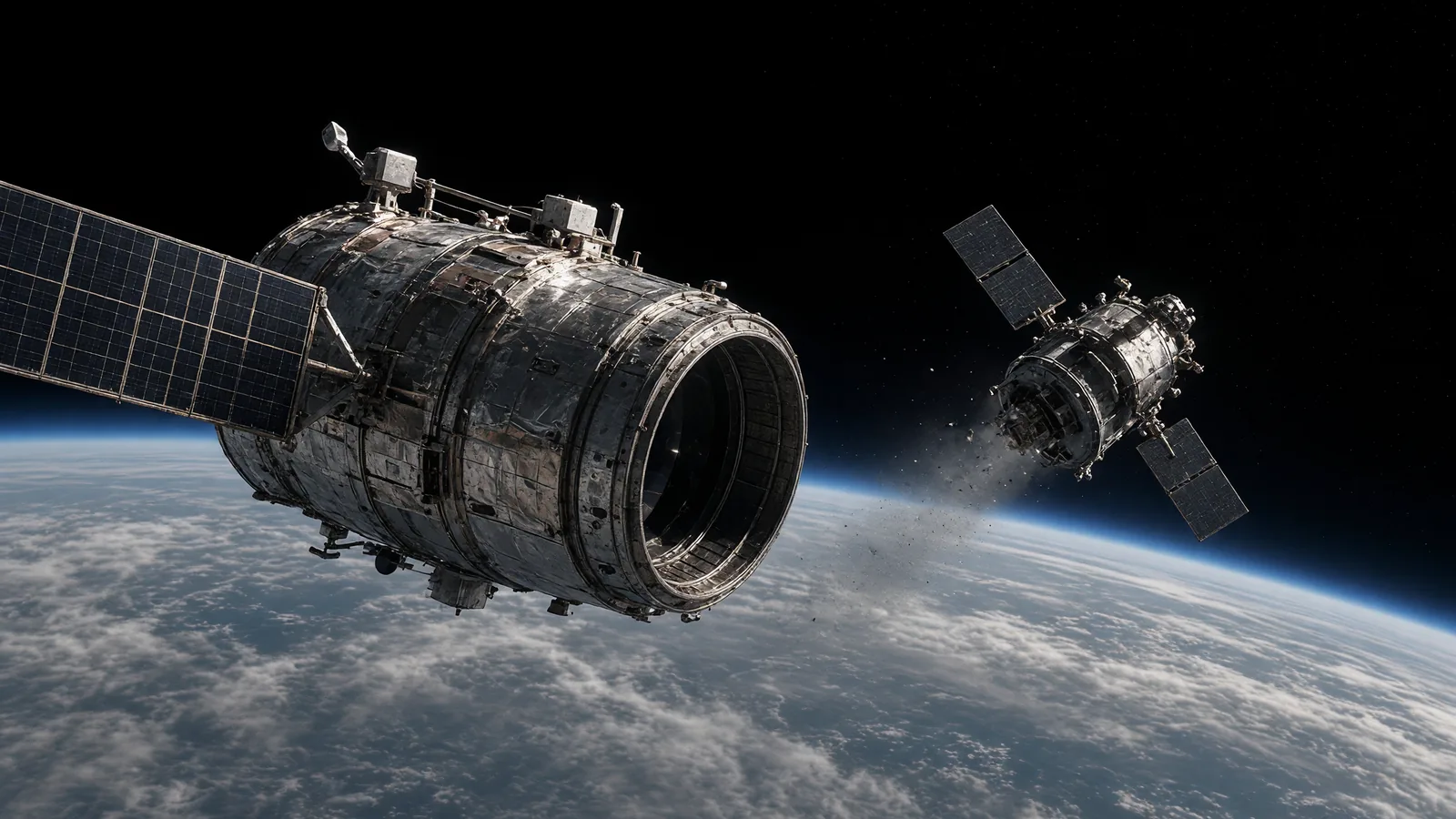
Katalyst Space and Nasa jointly abandoned the Swift observatory rescue attempt on Wednesday after engineers exhausted all options to stabilize a spinning spacecraft that was supposed to extend the telescope's life by several years.
The Link craft, launched in early July to rendezvous with Swift at 347 kilometers above Earth, lost attitude control shortly after reaching orbit and began rotating uncontrollably. Engineers spent weeks attempting to arrest the malfunction, including uploading revised positioning software last week that reduced but could not eliminate the unwanted spin.
"Following continued monitoring and assessment of the Link spacecraft, Katalyst Space and Nasa together have concluded that due to ongoing attitude control issues, the mission will not include the capture and boost of Nasa's Neil Gehrels Swift Observatory," the partners said in their Wednesday statement.
Telescope faces atmospheric re-entry
The mission had aimed to grapple Swift and raise it from its current 347-kilometer orbit to approximately 600 kilometers, buying the observatory years of additional operational life. Without that orbital boost, the $500 million Neil Gehrels Swift Observatory, which has tracked gamma-ray bursts and other cosmic phenomena since 2004, is now expected to re-enter Earth's atmosphere and burn up later this year.
The observatory's name honors the late Nasa astrophysicist Neil Gehrels, and its two-decade mission has provided crucial data on some of the universe's most violent events. The failed rescue represents both a technical setback for commercial space servicing and the likely end of one of Nasa's longest-running space-based astronomy platforms.
Source: South China Morning Post
Frequently asked questions
Why was NASA abandoning the Swift telescope rescue mission?
NASA and Katalyst Space abandoned the mission after the Link spacecraft lost attitude control shortly after reaching orbit and began rotating uncontrollably. Engineers spent weeks attempting to fix the malfunction, including uploading revised positioning software, but could not eliminate the unwanted spin.
What was the goal of the Swift rescue mission?
The mission aimed to grapple the Swift observatory and raise it from its current 347-kilometer orbit to approximately 600 kilometers, which would have extended the telescope's operational life by several years.
What will happen to the Swift telescope now?
Without the orbital boost, the $500 million Neil Gehrels Swift Observatory is now expected to re-enter Earth's atmosphere and burn up later this year.
How long has the Swift telescope been in operation?
The Neil Gehrels Swift Observatory has tracked gamma-ray bursts and other cosmic phenomena since 2004, making it one of NASA's longest-running space-based astronomy platforms.
You may also like
 National
Solar Eclipse 2026: Total Surya Grahan Today 12 August, Time in India and Where to Watch
 National
NASA Invites ISRO to Collaborate on Moon Base Programme
 National
Indian-American Anil Menon Prepares for Historic ISS Mission in 2026
 National
Farm Boundary Dispute in Morena: One Killed, Four Injured in Alleged Attack
Most read
- 1
Air China Adds Extra Flight for Passengers Stranded in Fuel-Starved Cuba
- 2
Western disturbance to bring rain, hail and strong winds across north India
- 3
Yogi Adityanath Directs No Occupied Houses Be Demolished for Achhalda Bridge
- 4
Gwalior Temple Truck Crash Kills 12, Injures 28-29 Devotees During Navratri
- 5
Schools Shut in Five Tamil Nadu Districts, Including Chennai, Amid Heavy Rain
Comments
No comments yet. Be the first to comment.