
Dussehra 2026 On October 20: Shastra Puja, Ravan Dahan Timings
Dussehra 2026 falls on October 20. Check Shastra Puja, Ravan Dahan and Nishita Kaal timings, plus the festival's significance.

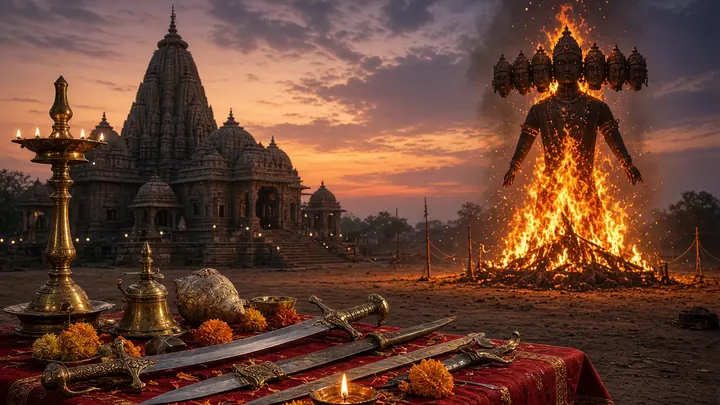
The Dussehra observance on 20 October 2026 combines prayers, weapon worship, charitable acts and the burning of effigies as the festival of Vijayadashami is celebrated across the country. The principal timings released for the day include the auspicious windows for Shastra Puja, the evening period considered suitable for Ravan Dahan and the night window for Nishita Kaal worship.
Why Dussehra is observed
Dussehra is celebrated every year on the tenth day of the Shukla Paksha of the Ashwin month. The festival is also known as Vijayadashami.
According to religious belief, Lord Ram killed Ravan on this day and freed Goddess Sita from his captivity. The festival is therefore associated with the victory of good over evil, truth over falsehood and light over darkness.
Worship of Lord Ram, Shastra Puja, charitable acts and the burning of Ravan’s effigy are among the practices associated with Dussehra. In different parts of the country, effigies of Kumbhakarna and Meghnad will also be burned along with Ravan’s effigy.
The symbolism of the festival is reflected both in the religious observances and in the public ritual of effigy burning. Ravan Dahan is described as a symbol of the victory of good over evil, while the worship of weapons is linked with the wish for strength, courage and victory.
Dussehra 2026 date and tithi
According to the Hindu Panchang, the Ashwin Shukla Dashami tithi will begin on 20 October 2026 at 12:51 in the afternoon. The tithi will end on 21 October at 2:11 in the afternoon.
On the basis of these timings, the festival is to be observed on 20 October 2026. The date is also identified in the festival messages published for Vijayadashami 2026.
The tithi timings explain why the observance falls on 20 October even though the Dashami period continues into 21 October. The religious calendar guidance specifically places the Dussehra celebration on 20 October 2026.
Shastra Puja timings
The tradition of worshipping weapons on Vijayadashami is described as centuries old. On this day, weapons are worshipped with prayers for strength, courage and victory.
According to religious belief, performing Shastra Puja on Vijayadashami protects a person from defeat. The guidance for Dussehra 2026 lists two auspicious windows for the worship.
The first is the Vijay Muhurat, which will run from 1:59 in the afternoon to 2:45 in the afternoon. The second is the Aparahna Puja Muhurat, which will run from 1:14 in the afternoon to 3:30 in the afternoon.
The two windows overlap, giving devotees a period in the afternoon for the worship of weapons. The listed timings are specifically connected with Shastra Puja on Vijayadashami.
Ravan Dahan muhurat
Pradosh Kaal is considered auspicious for Ravan Dahan. Religious observances linked to Lord Ram’s victory are held around sunset during this period, followed by the burning of Ravan’s effigy.
According to the Panchang, Pradosh Kaal on 20 October will begin at 5:47 in the evening and continue until 8:23 at night. This period is described as the best muhurat for Ravan Dahan.
The timing gives the evening ritual a defined window rather than a single listed moment. The same observance may also include the burning of effigies of Kumbhakarna and Meghnad in different parts of the country.
Those planning a special night-time puja can observe it during Nishita Kaal. The Nishita Kaal window will be from 11:41 at night to 12:31 at night.
Choghadiya timings for the day
The Dussehra guidance also lists Choghadiya timings for people who wish to undertake an auspicious activity or begin new work. The day’s Choghadiya sequence starts with Amrit from 6:24 in the morning to 7:49 in the morning.
The Kaal period will follow from 7:49 in the morning to 9:15 in the morning. The Shubh period will run from 9:15 in the morning to 10:40 in the morning.
The Rog period is listed from 10:40 in the morning to 12:05 in the afternoon. The Udveg period will continue from 12:05 in the afternoon to 1:31 in the afternoon.
The Char period will be from 1:31 in the afternoon to 2:56 in the afternoon. The Labh period will run from 2:56 in the afternoon to 4:22 in the afternoon.
The final listed Amrit period will be from 4:22 in the afternoon to 5:47 in the evening. According to the guidance, these Choghadiya periods may be consulted for an auspicious task or the start of new work on Dussehra.
Aparajita Puja before Ravan Dahan
Worship of Goddess Aparajita is considered auspicious on Dussehra. The puja is to be performed before Ravan Dahan.
According to the belief described in the festival guidance, worshipping Goddess Aparajita brings happiness, peace and prosperity into life. It is also believed that a person’s work does not fail through her worship.
The first step is to clean the place of worship properly. A chowki should then be placed at the site and covered with a clean cloth.
A picture or idol of Goddess Aparajita is to be installed on the chowki. The goddess is then to be bathed with water and Panchamrit.
Devotees can offer clothes, flowers, akshat, kumkum, fruits, incense and items used for adornment. During the puja, the Aparajita Chalisa can be recited and the mantra “ॐ अपराजितायै नमः” can be chanted.
The offering may include a white or yellow sweet, fruits or kheer. The ritual concludes with the goddess’s aarti and a prayer seeking forgiveness for any mistake made during the worship.
Shami tree worship
The festival guidance also advises devotees not to forget the worship of the Shami tree. This worship is prescribed during Pradosh Kaal on Vijayadashami.
Devotees are advised to offer Gangajal at the root of the Shami tree. A lamp is then to be lit in front of the tree, with a weapon placed underneath it symbolically.
The Shami tree and the weapon are to be worshipped with incense, a lamp, naivedya and aarti. Devotees may follow either the Panchopachar or Shodashopachar method according to their faith and capacity.
The Shami worship is listed alongside Shastra Puja and Ravan Dahan as part of the day’s religious observances. Together, these rituals connect the festival’s themes of worship, strength, victory and the destruction of evil.
Dussehra wishes and messages
The festival is also an occasion for people to send greetings to family members and friends. The published Vijayadashami messages focus on blessings, happiness, the victory of truth and the removal of hardship.
One suggested message says: “May evil be destroyed and Dussehra bring new hope. May your sorrows burn like Ravan and immense happiness enter your life. Heartfelt wishes for Dussehra.”
Another message reads: “May truth always win, may the song of love remain in your life, and may you receive Lord Ram’s blessings. Best wishes for Dussehra.”
The messages also wish for the victory of righteousness over wrongdoing and a new beginning in life. One such greeting says: “May righteousness triumph over wrongdoing and a new dawn come into your life.”
Other wishes pray that the home be filled with happiness and that the mind remain cheerful. They invoke the presence of Shri Ram in the home and seek the destruction of every difficulty.
Some of the messages ask for the blessing of happiness and prosperity and express the hope that all wishes are fulfilled on the sacred festival. Others say that darkness should give way to light, that Lord Ram’s grace should make every task successful and that every evil should turn to ash.
The messages also encourage people to remain on the path of truth and continue to fight their difficulties. Another greeting asks Lord Ram to give strength while devotion remains in the heart.
A further message links Ravan Dahan with the burning away of sorrow and the arrival of new hope. It wishes that success reach every step and that the future be happy and golden.
Other greetings pray that sorrow never cast its shadow and that Lord Ram’s protection remain with the recipient. They also wish for a home filled with happiness and offer warm Dussehra greetings.
One message presents an inward meaning of the festival by saying that a person who burns the Ravan within themselves truly celebrates Dussehra. Another wishes for the destruction of evil, the arrival of happiness and the continued presence of Ram in the heart.
The published greetings therefore extend the festival’s traditional themes beyond the effigy-burning ritual. They connect Vijayadashami with truth, devotion, strength, hope, happiness, prosperity and the effort to overcome inner evil.
Frequently asked questions
When will Dussehra be observed in 2026?
Dussehra will be observed on 20 October 2026.
Why is Dussehra celebrated?
Dussehra commemorates Lord Ram's victory over Ravan and is associated with the victory of good over evil, truth over falsehood and light over darkness.
What are the Shastra Puja timings for Dussehra 2026?
The Vijay Muhurat is from 1:59 pm to 2:45 pm, while the Aparahna Puja Muhurat is from 1:14 pm to 3:30 pm.
What does Ravan Dahan symbolise?
Ravan Dahan symbolises the victory of good over evil.
You may also like
 Madhya Pradesh
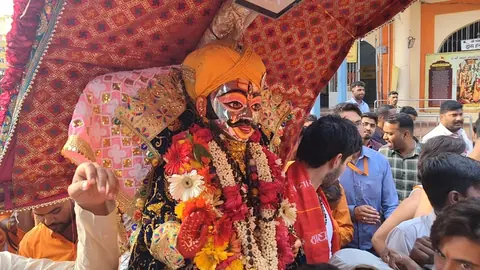
Lord Mahakaleshwar’s Traditional Vijayadashami Procession Held in Ujjain
 National
Hathras Celebrates Vijayadashami With Burning Of 65-Foot Ravana Effigy
 Politics
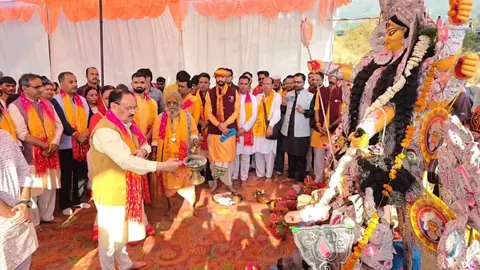
Union Health Minister JP Nadda joins Vijayadashami celebrations in Bilaspur
 National
Maa Durga Idols Immersed Across Hathras Amid Devotion, Police Vigil
Most read
- 1
Air China Adds Extra Flight for Passengers Stranded in Fuel-Starved Cuba
- 2
Western disturbance to bring rain, hail and strong winds across north India
- 3
Yogi Adityanath Directs No Occupied Houses Be Demolished for Achhalda Bridge
- 4
Gwalior Temple Truck Crash Kills 12, Injures 28-29 Devotees During Navratri
- 5
Heavy Rain Waterlogs Bengaluru, Snarls Traffic; Ride-Hailing Fares Surge
Comments
No comments yet. Be the first to comment.