
Cultural Activities Linked to Slower Aging, New Study Finds
A new study finds that engaging in cultural activities may help slow aging and improve physiological health. Discover the benefits of museums, movies, and

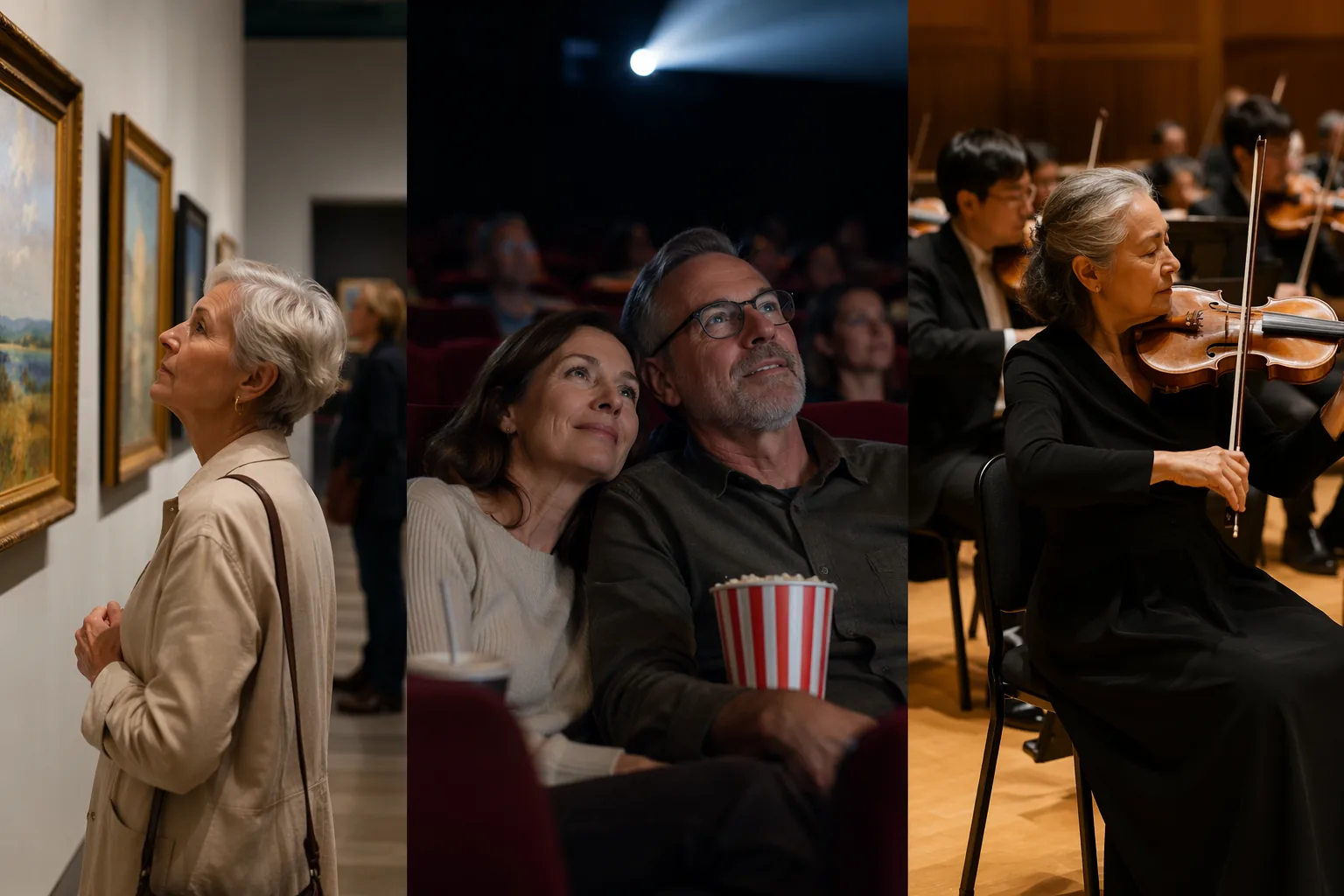
Engaging in cultural activities like visiting museums, attending concerts, or watching films may contribute to a younger physiological age, according to a new study published in the Journal of Epidemiology and Community Health. Researchers found that regular participation in these activities is associated with healthier body functioning, akin to that of a younger person.
---
What Is Physiological Age?
Unlike chronological age, which counts the years a person has lived, physiological age measures how well the body functions. It reflects factors such as cardiovascular health, lung capacity, and muscle strength, which can indicate whether someone’s body is “younger” or “older” than their actual age. Healthy aging, experts note, depends not just on physical health but also on mental, social, and emotional well-being.
---
The Study: Data and Findings
Researchers from the Institute of Science Tokyo conducted a longitudinal analysis using data from 1,899 participants in the English Longitudinal Study of Ageing, a nationally representative study of adults aged 50 and older in England. The participants provided health data and self-reported their frequency of cultural engagement over multiple survey waves between 2004 and 2009.
To determine physiological age, trained nurses assessed 10 health-related metrics, including blood pressure, lung function, cholesterol levels, body mass index (BMI), grip strength, and walking speed. These were combined into an overall physiological age score.
Participants also rated how often they engaged in three types of cultural activities: visiting cinemas, museums, or art galleries, and attending concerts, theatre performances, or operas. Scores ranged from 0 (never) to 15 (twice a month or more).
The results showed a clear link: adults who engaged in cultural activities at least every few months had an average physiological age of 66.9 years, compared to 69.9 years for those who participated less frequently. Even after accounting for socio-economic factors, chronic health conditions, and employment status, the association remained significant.
---
Why Cultural Activities Matter
The study suggests that cultural engagement may promote healthier aging by fostering social connections, encouraging physical activity, and improving mental well-being. Each one-point increase in cultural engagement was linked to a 31-day reduction in physiological age.
Dr. Prasun Chatterjee, a senior geriatrician at Indraprastha Apollo Hospitals in Delhi, explained that cultural activities can stimulate the brain, reduce loneliness, and improve mood, all of which are crucial for maintaining independence and quality of life in older adults. “They should be seen as part of a balanced lifestyle that also includes regular exercise, a nutritious diet, and adequate sleep,” he said.
---
Limitations and Broader Implications
While the study highlights a strong association, it does not establish a direct cause-and-effect relationship. Researchers acknowledge the possibility of reverse causation, healthier individuals may simply be more likely to attend cultural events.
Nonetheless, the findings underscore the importance of creating accessible and affordable opportunities for older adults to engage in cultural and social activities. “Healthy aging does not depend on any single activity,” Dr. Chatterjee noted, emphasizing the value of hobbies and social engagements tailored to individual preferences.
---
A Step Toward Healthier Aging
The study adds to growing evidence that staying socially and culturally active can play a vital role in aging well. While more research is needed to confirm the mechanisms behind the link, the message is clear: cultural engagement is more than just entertainment, it’s a potential pathway to a healthier, more fulfilling life.
Source: Indian Express
Frequently asked questions
What cultural activities are linked to slower aging?
Cultural activities like visiting museums, attending concerts, or watching films are linked to slower aging.
What does physiological age measure?
Physiological age measures how well the body functions, reflecting factors such as cardiovascular health, lung capacity, and muscle strength.
What was the average physiological age of adults who engaged in cultural activities regularly?
Adults who engaged in cultural activities at least every few months had an average physiological age of 66.9 years.
How does cultural engagement affect physiological age?
Each one-point increase in cultural engagement was linked to a 31-day reduction in physiological age.
Who conducted the study on cultural activities and aging?
The study was conducted by researchers from the Institute of Science Tokyo.
You may also like
 Health
Naturopathy expert urges wholesome food and rest for better health
 Health
Hong Kong's youth increasingly turn to supplements for wellness boost
 Health
Varanasi's "Subah-e-Banaras" yoga program transforms daily wellness routines
 Health
Bryan Johnson questions extreme anti-ageing methods after health diagnosis
Most read
- 1
Air China Adds Extra Flight for Passengers Stranded in Fuel-Starved Cuba
- 2
Western disturbance to bring rain, hail and strong winds across north India
- 3
Yogi Adityanath Directs No Occupied Houses Be Demolished for Achhalda Bridge
- 4
Gwalior Temple Truck Crash Kills 12, Injures 28-29 Devotees During Navratri
- 5
Schools Shut in Five Tamil Nadu Districts, Including Chennai, Amid Heavy Rain
Comments
No comments yet. Be the first to comment.