
BJP leader urges Modi to mandate sewage treatment before river discharge nationwide
Senior BJP official calls for nationwide mandate on treating sewage and industrial effluents before release into rivers, citing Kabini pollution crisis.

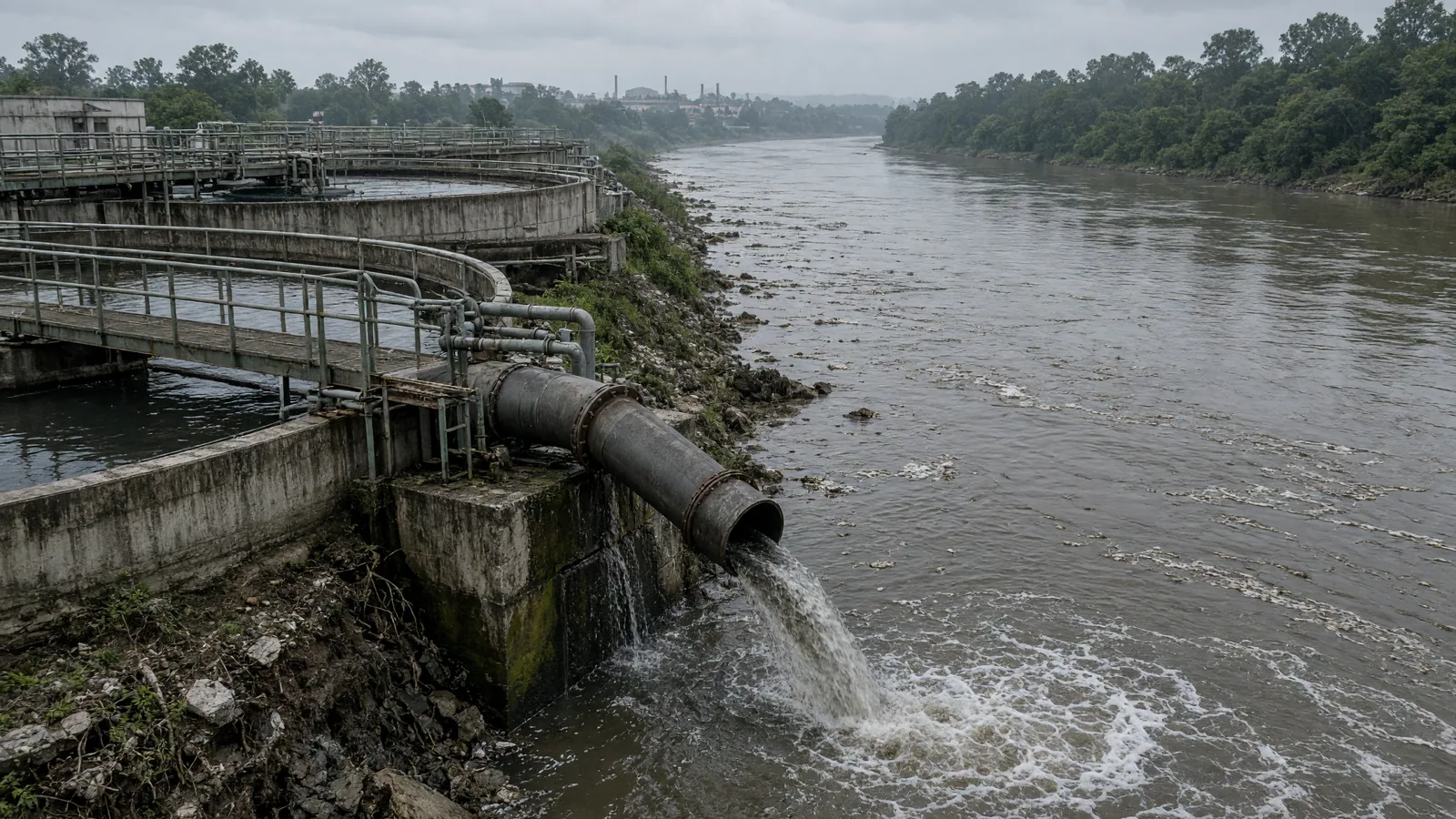
A senior BJP functionary from Karnataka has written to Prime Minister Narendra Modi seeking a nationwide mandate for treating sewage and industrial effluents before they are released into rivers, pointing to the pollution crisis in the Kabini river as evidence of unchecked contamination.
M.A. Mohan, BJP's Mysuru spokesperson, highlighted in his letter that untreated wastewater from Saragur town, home to nearly 50,000 people, along with discharge from multiple resorts and commercial establishments, flows directly into the Kabini without adequate treatment. The letter, a copy of which was shared with The Hindu, warned that despite the availability of modern wastewater treatment technologies, many habitations continue to release untreated wastewater directly into rivers, posing a serious threat to public health, biodiversity, and the environment.
Pollution cascades downstream to millions
The contamination holds grave implications because the Kabini supplies drinking water to Mysuru and flows onward to T. Narasipur, where it merges with the Kaveri at Sangama. The river then enters Tamil Nadu before reaching the sea, meaning pollution at the source affects millions of people and ecosystems downstream.
Mohan cited recent drought conditions when the Kabini reservoir water level plummeted to a record low, exposing widespread stretches of the riverbed and stagnant polluted water that clearly demonstrated the extent of environmental stress on the river system.
Ecologically sensitive zone at risk
The Kabini also flows through the Heggadadevanakote region, an ecologically sensitive zone with dense forests and tribal habitats that deserves the highest level of protection. Heggadadevanakote Taluk is unique for having four major dams, making conservation of its water resources even more critical.
Mohan has requested the Union government to make it mandatory for every urban local body, industry, resort and commercial establishment situated near rivers to treat all wastewater through Sewage Treatment Plants or Effluent Treatment Plants before discharge into any river or waterbody. He also called for strict monitoring, periodic inspections and stringent penalties for violations.
The BJP spokesperson proposed launching a pilot project on the Kabini river to demonstrate a comprehensive river pollution prevention model, including installation and effective operation of STPs for towns and commercial establishments along the river, with successful models to be replicated across all major river basins in the country. "Protecting our rivers is essential for safeguarding drinking water, agriculture, wildlife, forests, and the health of future generations," Mohan said.
Source: The Hindu
Frequently asked questions
Why is the BJP leader calling for mandatory sewage treatment before river discharge?
M.A. Mohan, BJP's Mysuru spokesperson, points to the pollution crisis in the Kabini river where untreated wastewater from Saragur town (50,000 people), resorts, and commercial establishments flow directly into the river without adequate treatment, posing serious threats to public health, biodiversity, and the environment.
How does pollution in the Kabini river affect people downstream?
The Kabini supplies drinking water to Mysuru and flows to T. Narasipur where it merges with the Kaveri at Sangama. The river then enters Tamil Nadu before reaching the sea, meaning pollution at the source affects millions of people and ecosystems downstream across multiple states.
What measures does the BJP leader propose?
Mohan has requested mandatory wastewater treatment through Sewage Treatment Plants or Effluent Treatment Plants for every urban local body, industry, resort and commercial establishment near rivers before discharge. He also calls for strict monitoring, periodic inspections, stringent penalties for violations, and a pilot project on the Kabini river to demonstrate a comprehensive pollution prevention model.
Why is the Kabini river ecologically significant?
The Kabini flows through the Heggadadevanakote region, an ecologically sensitive zone with dense forests and tribal habitats that requires the highest level of protection. The region has four major dams, making conservation of water resources critical.
You may also like
 Politics
BJP MP Gulam Ali Khatana alleges Pakistan orchestrated OIC’s anti-India resolutions
 Politics
Jaishankar Welcomes UAE Foreign Minister Sheikh Abdullah in Mumbai for Talks
 Delhi NCR
India’s Agrivoltaic Capacity Expected To Cross 5 GW In 3-4 Years
 National
India's Para Asian Games Blazers Feature 5,000-Year-Old Indus Valley Motifs
Most read
- 1
Air China Adds Extra Flight for Passengers Stranded in Fuel-Starved Cuba
- 2
Western disturbance to bring rain, hail and strong winds across north India
- 3
Yogi Adityanath Directs No Occupied Houses Be Demolished for Achhalda Bridge
- 4
Gwalior Temple Truck Crash Kills 12, Injures 28-29 Devotees During Navratri
- 5
Schools Shut in Five Tamil Nadu Districts, Including Chennai, Amid Heavy Rain
Comments
No comments yet. Be the first to comment.