
Bandhavgarh Ranked Fifth in New York Times’ 52 Places to Go 2026
Bandhavgarh Tiger Reserve, a natural treasure of Madhya Pradesh’s Vindhya region, has secured an important place on the international tourism map.

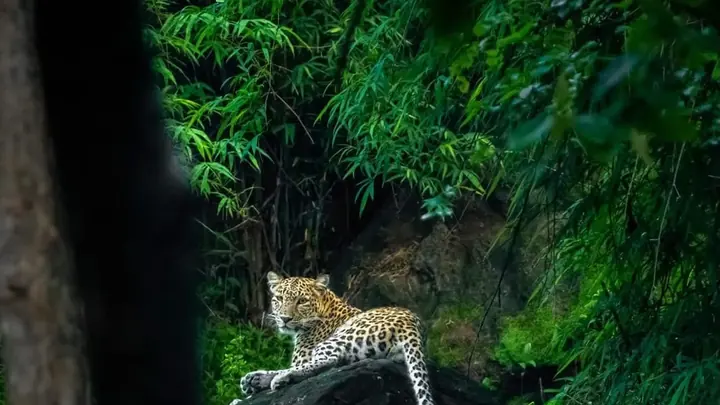
Bandhavgarh Tiger Reserve, a natural treasure of Madhya Pradesh’s Vindhya region, has secured an important place on the international tourism map. The prestigious American newspaper The New York Times has ranked Bandhavgarh fifth in its much-discussed ‘52 Places to Go in 2026’ list. This recognition has opened new possibilities not only for Bandhavgarh but also for the tourism sector across Madhya Pradesh.
Following this international recognition, local citizens have urged that Bandhavgarh should now be promoted across the country. They have appealed to Prime Minister Narendra Modi and Madhya Pradesh Chief Minister Dr. Mohan Yadav to take a special initiative for the reserve’s wider publicity.
The demand is for promotional campaigns at major airports, large railway stations, public places and other important passenger centres across the country. These campaigns, citizens said, should showcase Bandhavgarh’s natural beauty, tigers and rich biodiversity. The aim is to ensure that the international recognition received by the reserve reaches people in every part of India.
Bandhavgarh is known around the world for its Royal Bengal Tigers. However, its natural wealth is much wider than its tiger population. The reserve is spread across Umaria and Katni districts and is rich in dense sal forests, bamboo forests, hills, valleys, grasslands and water sources.
According to the Madhya Pradesh Forest Department, Bandhavgarh Tiger Reserve has a total area of approximately 1,536.93 square kilometres. The reserve is home to approximately 515 plant species and more than 250 bird species. Many mammals, butterflies and other animals also add to the area’s distinctive biodiversity.
Apart from tigers, leopards, sambar, chital, wild dogs, bears and many other wild animals are found in Bandhavgarh. This natural diversity makes the reserve a special attraction for wildlife lovers, nature photographers, birdwatchers and people involved in environmental studies.
The variety of birds found in Bandhavgarh’s forests is another major attraction. Peacocks, jungle fowl, hornbills, kingfishers, birds of prey and different water birds are part of the reserve’s birdlife. During the winter season, the presence of some migratory birds also attracts nature lovers.
The vegetation of the reserve includes sal, saja, mahua, tendu, arjun, amla, palash and bamboo. The combination of forests, grasslands and water sources provides wildlife with a suitable environment for food, shelter and breeding.
For this reason, citizens believe that Bandhavgarh’s promotion should not remain limited to tiger safaris. The campaign should present the reserve as a complete natural heritage destination, with equal attention to bird tourism and biodiversity.
Local citizens feel that being included in a list published by an internationally respected institution such as The New York Times has given Bandhavgarh an important opportunity to gain a global identity. They believe the Centre and the state government should work together to prepare a systematic tourism publicity campaign so that this opportunity can be used effectively.
The expectation is that attractive photographs, digital displays and tourism information related to Bandhavgarh should be made available at airports and large railway stations in Delhi, Mumbai, Bhopal, Indore and other major cities. The achievement should also be displayed at important public places, tourism information centres and government tourism platforms.
The promotional material should include more than images of Bandhavgarh’s tigers. It should also highlight the reserve’s forests, birds, plant life, historical heritage and local culture. Citizens believe this would give travellers from India and abroad more information about Bandhavgarh and may encourage them to include the reserve in their travel plans.
The rise of tourism in Bandhavgarh could also directly benefit the local economy. Hotels and resorts, local guides, vehicle drivers, homestay operators, small shopkeepers, artisans associated with handicrafts and rural entrepreneurs could receive employment opportunities through tourism.
At the same time, local youths would need training, while better facilities for tourists, cleanliness, safe transport and promotion of local products would also be necessary. Tourism development plans should ensure the participation of nearby villages and local communities so that the benefits of Bandhavgarh’s international recognition reach the people living in the area.
Citizens have also stressed that tourism expansion must go hand in hand with wildlife conservation and environmental balance. Bandhavgarh’s real strength lies in its natural wealth, and protecting that wealth will remain the foundation of the reserve’s tourism success in the future.
Local residents have called for coordination among the departments concerned so that Bandhavgarh’s international recognition can be linked to a wider tourism campaign. A publicity plan could be prepared with the cooperation of the Central Government, the Madhya Pradesh Government, the Tourism Department, the Forest Department and the relevant transport institutions.
According to the demand, the identity of Bandhavgarh should be displayed in an organised manner at major airports, railway stations and public places. Such a campaign could give a new direction to the tourism potential of the region. It could also encourage local employment, entrepreneurship and the conservation of the area’s natural heritage.
The inclusion of Bandhavgarh in The New York Times list is being seen as a matter of pride. The immediate need, local citizens say, is to turn this achievement into wider public recognition, responsible tourism and local development.
They hope that Prime Minister Narendra Modi and Chief Minister Dr. Mohan Yadav will take a positive initiative on the proposal, allowing Bandhavgarh’s identity to reach a larger number of people across the country and the world.
Frequently asked questions
What rank did Bandhavgarh Tiger Reserve receive in The New York Times’ ‘52 Places to Go in 2026’ list?
Bandhavgarh Tiger Reserve was ranked fifth.
Where is Bandhavgarh Tiger Reserve located?
It is located in Madhya Pradesh’s Vindhya region and spreads across Umaria and Katni districts.
What promotional measures have local citizens requested for Bandhavgarh?
They have requested campaigns at major airports, railway stations, public places and other passenger centres across India.
What wildlife and natural features make Bandhavgarh attractive?
The reserve is known for Royal Bengal Tigers, diverse mammals, more than 250 bird species, dense forests, hills, valleys, grasslands and water sources.
You may also like
 Politics
Congress Leader Claims Jitu Patwari Will Fly MP’s New ₹250-Crore Jet
 Viral
MP reports fever patients; concerns over antibiotic self-medication
 Madhya Pradesh
 TET Gets Just 34,200 Applications From 1.5 Lakh Eligible Teachers
 Madhya Pradesh
 Government's New Bombardier Challenger 3500 Jet Reaches Bhopal
Most read
- 1
Air China Adds Extra Flight for Passengers Stranded in Fuel-Starved Cuba
- 2
Western disturbance to bring rain, hail and strong winds across north India
- 3
Yogi Adityanath Directs No Occupied Houses Be Demolished for Achhalda Bridge
- 4
Gwalior Temple Truck Crash Kills 12, Injures 28-29 Devotees During Navratri
- 5
Schools Shut in Five Tamil Nadu Districts, Including Chennai, Amid Heavy Rain
Comments
No comments yet. Be the first to comment.