
ASEAN's failed haze pledge leaves doctors treating smoke-scarred lungs in Kalimantan
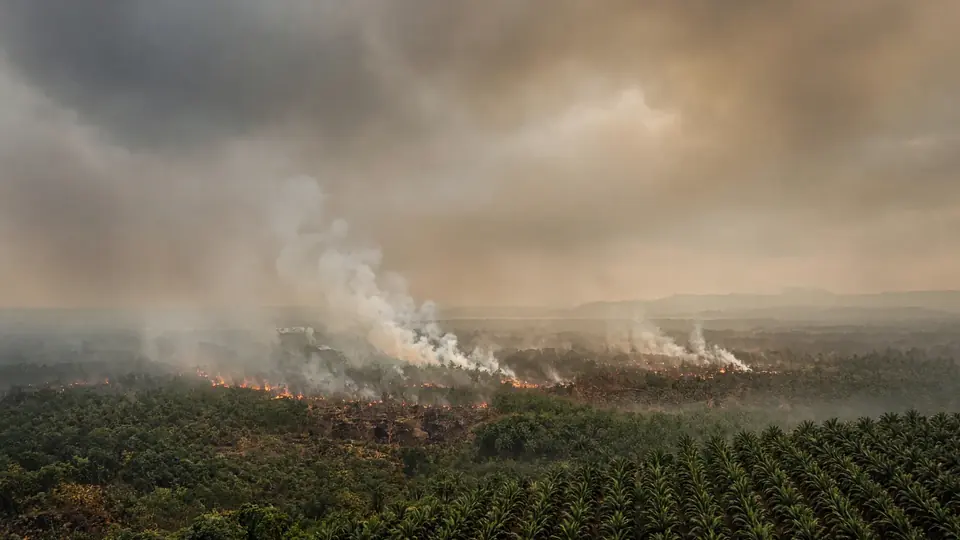
Six years after ASEAN pledged to eliminate transboundary haze by 2020, Kalimantan fires continue harming communities. Doctors report respiratory damage and

Dr Asma Zafirah no longer requires satellite images to determine when Kalimantan is burning. The physician observes the crisis manifesting directly in the examination rooms of her clinic in Sarawak, reading the evidence in the watery eyes and laboured breathing of her patients, and in the empty school benches as parents keep their children indoors to shield them from the toxic air that drifts across the border.
Southeast Asia's transboundary haze crisis was supposed to have been brought under control six years ago. The Association of Southeast Asian Nations had pledged to eliminate the cross-border haze problem by 2020. That deadline came and went, yet Kalimantan continues to burn.
The smoke is not merely an irritant. Repeated and prolonged exposure to haze triggers a cascade of harmful effects in the human body, causing inflammation, precipitating asthma attacks and unleashing a range of other respiratory problems that fill clinics like Asma's.
"That is already a signal that their body is not simply being irritated," Asma said. "It is having a clinically significant response to the exposure."
The consequences of unchecked exposure extend far beyond temporary discomfort. Over time, the damage becomes lasting and systemic. The exposure can scar lung tissue, impair the cardiovascular system and elevate the risk of cancer. PM2.5 particles, so microscopically fine that they can cross from the respiratory tract into the bloodstream, transport the damage throughout the entire body.
These ultra-fine particulates are small enough to breach the lung barrier and enter the circulatory system, spreading their toxic effects far and wide through organs and tissues. What begins as respiratory distress evolves into cardiovascular illness and potentially life-threatening conditions including cancer.
The regional response, once presented as a collective solution to a shared environmental and public health emergency, has failed to protect the communities that Asma treats. The 2020 target to eliminate transboundary haze represented ASEAN's commitment to addressing a crisis that annually blankets parts of Southeast Asia in choking smoke from forest and peatland fires, primarily originating from Indonesia's Kalimantan region and affecting neighboring countries including Malaysia and Singapore.
For frontline medical professionals like Asma Zafirah, the failure of the regional pledge translates into a continuing stream of patients suffering the health consequences of air quality that routinely deteriorates to hazardous levels during fire season. The physical evidence of policy failure presents itself in every laboured breath she monitors and every inflamed airway she examines in her Sarawak clinic.
Frequently asked questions
What was ASEAN's pledge regarding the haze crisis?
ASEAN pledged to eliminate the transboundary haze problem by 2020. However, this deadline passed without resolving the crisis, and Kalimantan continues to burn.
What are the health effects of prolonged haze exposure?
Repeated exposure to haze causes inflammation, asthma attacks, and respiratory problems. Over time, it can scar lung tissue, impair the cardiovascular system, elevate cancer risk, and allow PM2.5 particles to enter the bloodstream, spreading toxic effects throughout the body.
How is the haze crisis affecting clinics in the region?
Doctors in Sarawak and other affected areas treat growing numbers of patients with watery eyes, labored breathing, and other respiratory issues caused by toxic air drifting across borders. Schools also report empty benches as parents keep children indoors.
Where does the transboundary haze primarily originate?
The haze primarily originates from forest and peatland fires in Indonesia's Kalimantan region and affects neighboring countries including Malaysia and Singapore.
You may also like
 Technology
Southeast Asia risks becoming an AI infrastructure provider without controlling its own digital future
 Business
Hong Kong Chamber Proposes 'Super Partner' Role for Global Business Growth
 Business
Turkey Becomes ASEAN Dialogue Partner, Enhancing Global Geopolitical Role
 Business
Make in India at 12: Manufacturing Share Sees Little Change
Most read
- 1
Tesla audits Chinese suppliers to scale up Optimus robot production
- 2
Former minister Lakhan Singh Rajput to inaugurate temple bhandara at Shri Chakreshwar Mahadev
- 3
Firozabad BSA finds four government schools locked during inspection
- 4
Tamil Nadu dengue cases fall for third consecutive year to 17,049
- 5
Social workers stage silent protest at Fufund railway station for train halts
Comments
No comments yet. Be the first to comment.