
Andhra Pradesh mining reforms aim for transparency and economic growth
Minister Ravindra discusses Andhra Pradesh's mining reforms aimed at boosting transparency and economic growth, generating significant revenue.

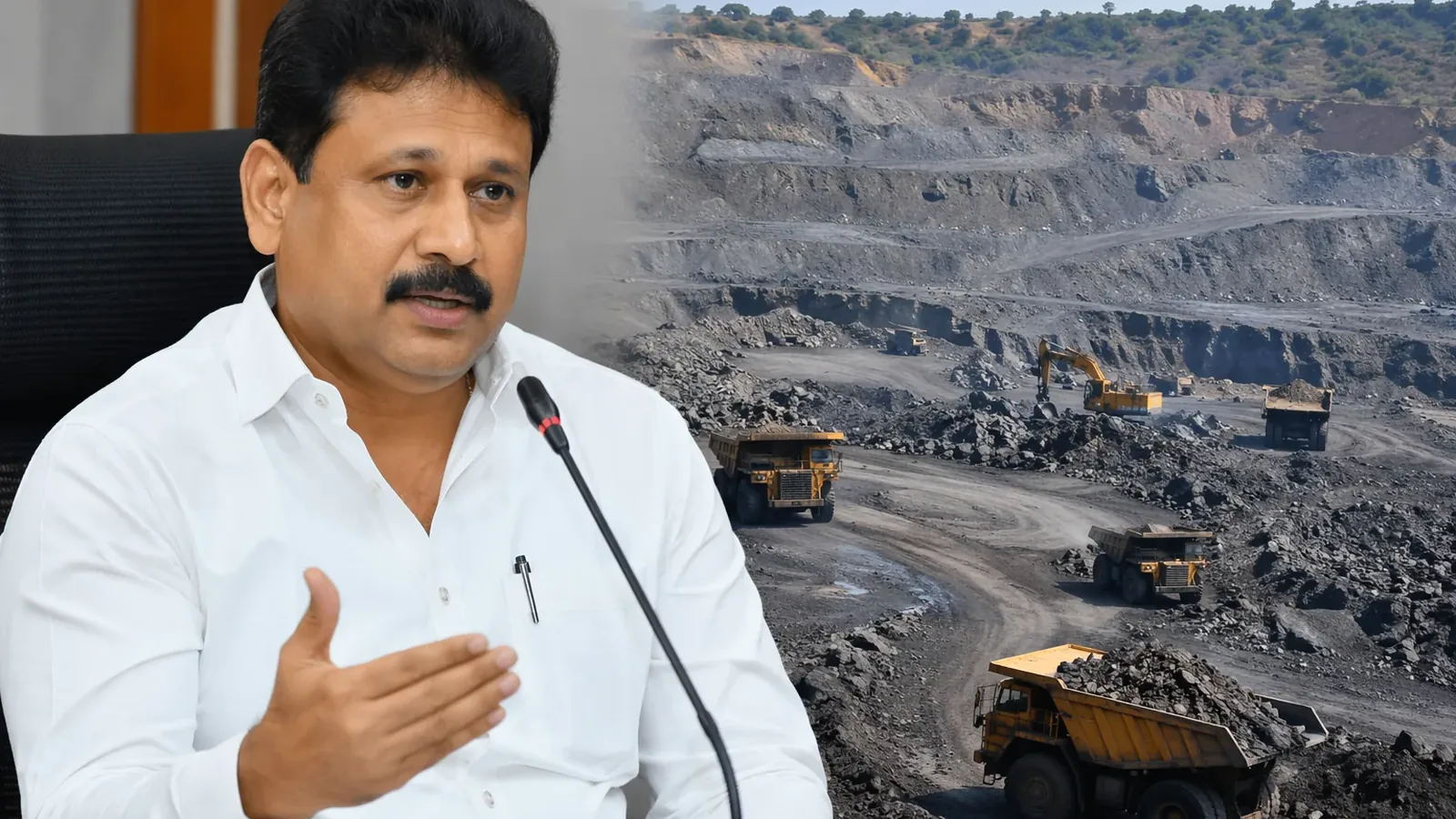
Vijayawada: Mines and Geology Minister Kollu Ravindra has highlighted the comprehensive reforms introduced in Andhra Pradesh's mining sector, emphasizing their focus on transparency and economic strengthening. He noted that technology has been extensively leveraged to achieve these goals.
Speaking to the media on Thursday, the minister stated that the government has designed policies aimed at promoting industries and creating employment opportunities. He stressed that the reforms are intended to ensure that the state's mineral wealth benefits the broader population rather than being concentrated in the hands of a few.
Minister Ravindra revealed that a white paper issued after the alliance government assumed office exposed significant losses in the mining sector. The state reportedly suffered an estimated loss of ₹19,137 crore between 2019 and 2024 due to issues such as poor lease management, illegal mining activities, lack of transparency in auction procedures, and revenue shortfalls.
To address these challenges, the government introduced the AP Minor Mineral Policy-2025, which brought several key changes. These include reducing the annual dead rent burden, extending the lease period from 20 to 30 years, and increasing renewal periods from 10 to 20 years. Additionally, the auction-based process was replaced with an application-based system to enhance transparency.
The minister shared that these reforms have already shown positive results. Over the past two years, more than 1,700 applications were received, leading to the approval of 172 new mining leases. This has generated ₹172 crore in revenue for the state.
Frequently asked questions
What are the main goals of Andhra Pradesh's mining sector reforms?
The reforms aim to promote transparency and economic growth by ensuring that the state's mineral wealth benefits the broader population rather than being concentrated in the hands of a few. The government has leveraged technology extensively to achieve these goals.
How much did Andhra Pradesh lose in the mining sector between 2019 and 2024?
The state suffered an estimated loss of ₹19,137 crore between 2019 and 2024 due to poor lease management, illegal mining activities, lack of transparency in auction procedures, and revenue shortfalls.
What are the key changes introduced in the AP Minor Mineral Policy-2025?
The policy includes reducing the annual dead rent burden, extending the lease period from 20 to 30 years, increasing renewal periods from 10 to 20 years, and replacing the auction-based process with an application-based system to enhance transparency.
What results have the mining reforms achieved so far?
Over the past two years, the reforms received more than 1,700 applications, led to the approval of 172 new mining leases, and generated ₹172 crore in revenue for the state.
You may also like
 Weather
Heavy rain hits Tirupati as low-pressure area forms off Tamil Nadu coast
 Politics
Jagan Mohan Reddy Calls YSRCP’s Support for 2023 Poll Law a Mistake
 Weather
IMD Predicts Wet Spell, Heavy Rain In Andhra Pradesh Till October 21
 Business
31 MoUs Exchanged as Ministers Pitch Andhra Pradesh as Global Manufacturing Hub
Most read
- 1
Air China Adds Extra Flight for Passengers Stranded in Fuel-Starved Cuba
- 2
Western disturbance to bring rain, hail and strong winds across north India
- 3
Yogi Adityanath Directs No Occupied Houses Be Demolished for Achhalda Bridge
- 4
Gwalior Temple Truck Crash Kills 12, Injures 28-29 Devotees During Navratri
- 5
Schools Shut in Five Tamil Nadu Districts, Including Chennai, Amid Heavy Rain
Comments
No comments yet. Be the first to comment.