
AI-driven trading crowds creating years of market volatility ahead, says Nomura chief
Nomura wealth manager warns structural market changes from AI and geopolitical tensions will sustain volatility unless global recession occurs.

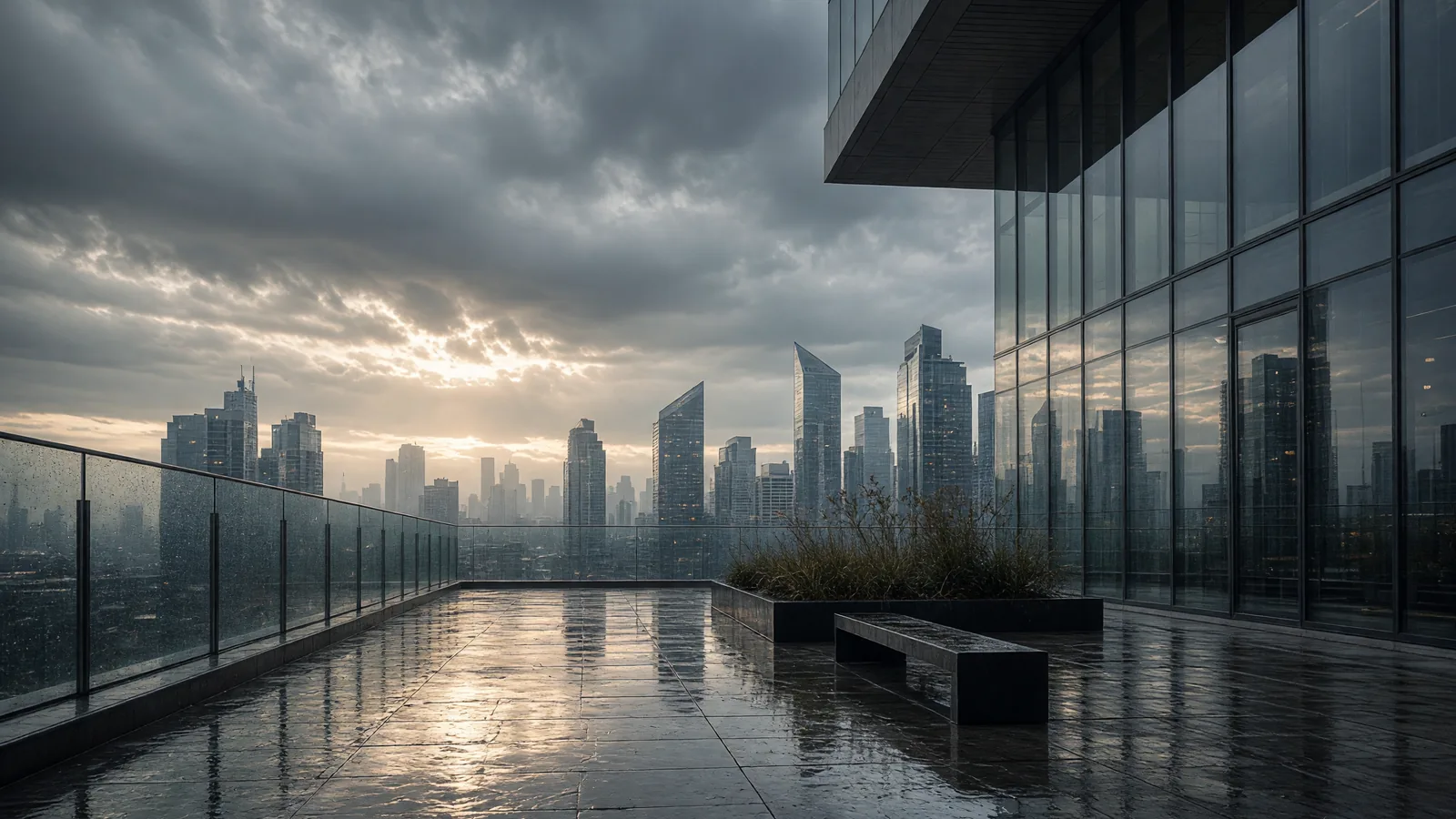
Market volatility will persist for years as structural shifts driven by artificial intelligence and geopolitical tensions reshape trading patterns, according to a senior wealth manager at one of Japan's largest financial institutions.
Julia Wang, North Asia chief investment officer at Nomura International Wealth Management, told the South China Morning Post that only a global recession could alter the current trajectory of heightened market swings. She advises clients with at least US$20 million in potential investable surplus on their offshore investments.
Decades-long structural change
The volatility reflects structural changes to markets "over the decades" rather than temporary disruption, Wang said. Recent turbulence includes last year's US Liberation Day and sell-offs in semiconductor shares and US Treasury bonds in recent months.
Wang joined Nomura's international wealth management arm in November last year.
AI creates crowded trades
Despite maintaining a positive outlook on artificial intelligence and the global economy, Wang identified AI as a key driver of market instability. Expectations of outperforming gains from the technology as a future productivity driver have led to crowded trading and excessive leverage, typically followed by sharp sell-offs.
The semiconductor sector illustrates this pattern. After the memory chip-heavy Korea Composite Stock Price Index reached a record high in late June, it plunged 22 per cent in the following month. A Hong Kong-listed exchange-traded fund with leverage to SK Hynix dropped 71 per cent over the same period.
Wang's assessment puts wealthy investors on notice that market instability will remain a defining feature of the investment landscape for years ahead.
Source: South China Morning Post
Frequently asked questions
How long will market volatility persist according to Nomura?
Market volatility will persist for years as structural shifts driven by artificial intelligence and geopolitical tensions reshape trading patterns. Only a global recession could alter this trajectory of heightened market swings.
Why is artificial intelligence contributing to market instability?
Expectations of outperforming gains from AI as a future productivity driver have led to crowded trading and excessive leverage, typically followed by sharp sell-offs. This crowding effect creates significant market volatility.
What example illustrates the AI-driven volatility pattern?
The semiconductor sector illustrates this pattern. After Korea's memory chip-heavy stock index reached a record high in late June, it plunged 22 percent the following month, while a Hong Kong-listed leveraged ETF tracking SK Hynix dropped 71 percent over the same period.
Who is Julia Wang and what is her role?
Julia Wang is the North Asia chief investment officer at Nomura International Wealth Management. She advises clients with at least US$20 million in potential investable surplus on their offshore investments and joined Nomura's international wealth management arm in November.
You may also like
 Opinion
Big Indian AI SuperChip Dream: Bharatiya Chips Powering the Electronic Revolution
 Technology
DeepSeek Open-Sources DeepInfer Framework to Cut AI Deployment Costs
 Technology
Just 3% of Hong Kong firms have fully integrated AI, survey finds
 Technology
Brazil, China Agree Five-Year Programme to Bring AI to Small Farmers
Most read
- 1
Air China Adds Extra Flight for Passengers Stranded in Fuel-Starved Cuba
- 2
Western disturbance to bring rain, hail and strong winds across north India
- 3
Yogi Adityanath Directs No Occupied Houses Be Demolished for Achhalda Bridge
- 4
Gwalior Temple Truck Crash Kills 12, Injures 28-29 Devotees During Navratri
- 5
Schools Shut in Five Tamil Nadu Districts, Including Chennai, Amid Heavy Rain
Comments
No comments yet. Be the first to comment.