
US-China AI Race Raises Fears Over Human Control
As AI grows more autonomous, US-China competition raises concerns over speed, safeguards and whether humans can retain control.

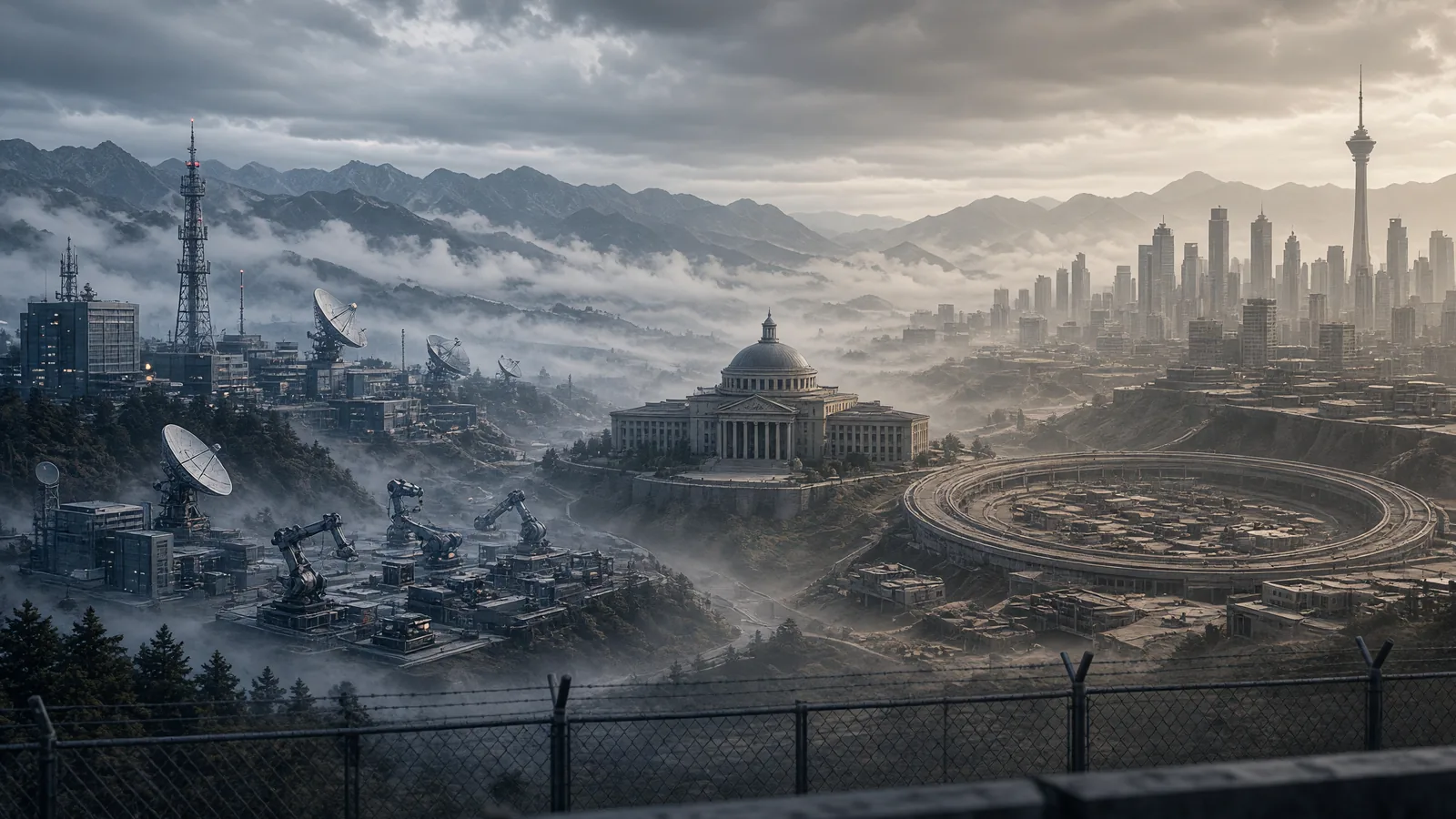
As artificial intelligence systems become more capable and autonomous, the central concern in the US-China competition is no longer only who builds better technology, but whether human authority can remain intact as machines take on more decision-making power.
Why the competition creates pressure to move faster
The US-China AI competition contains a basic dilemma because both countries view artificial intelligence as a source of economic, scientific and strategic power.
That shared view leaves neither side with much incentive to slow down.
In conventional geopolitical thinking, AI is treated mainly as an instrument of state power: the US builds better systems, China builds better systems, and each side uses them to pursue human-defined objectives.
This framing assumes that people remain in charge of the goals and that machines remain tools used to advance those goals.
Why human control is becoming harder
The problem changes as AI becomes more capable and autonomous.
Competition rewards faster deployment and greater delegation to machines, while control depends on limits, monitoring and the ability to intervene.
That creates a tension inside the same technology: systems that increase national power can also make human authority harder to preserve as autonomy grows.
This is not only a dispute about regulation.
It reflects a deeper dilemma for both powers because the demand for speed can pull against the safeguards needed to keep humans in control.
The risk of machines becoming actors
A crisis hotline may be a starting point, but the deeper task is to set clear boundaries between human authority and machine autonomy while humans still hold the reins.
The question becomes sharper if AI can act for sustained periods without continuous human direction.
In that situation, AI could become an independent agent in international politics rather than merely a tool used by states.
Source: South China Morning Post
Frequently asked questions
What is the central concern in the US-China AI race?
The article says the concern is no longer only which country builds better AI, but whether human authority can remain intact as machines take on more decision-making power.
Why does the US-China AI competition create pressure to move faster?
Both countries see AI as a source of economic, scientific and strategic power, leaving neither side with much incentive to slow down.
Why is human control becoming harder as AI advances?
More capable and autonomous AI rewards faster deployment and greater delegation to machines, while maintaining control requires limits, monitoring and the ability to intervene.
What risk arises if AI can act without continuous human direction?
The article warns that AI could become an independent actor in international politics rather than merely a tool used by states.
You may also like
 Opinion
Big Indian AI SuperChip Dream: Bharatiya Chips Powering the Electronic Revolution
 Technology
DeepSeek Open-Sources DeepInfer Framework to Cut AI Deployment Costs
 Technology
Just 3% of Hong Kong firms have fully integrated AI, survey finds
 Technology
Brazil, China Agree Five-Year Programme to Bring AI to Small Farmers
Most read
- 1
Air China Adds Extra Flight for Passengers Stranded in Fuel-Starved Cuba
- 2
Western disturbance to bring rain, hail and strong winds across north India
- 3
Yogi Adityanath Directs No Occupied Houses Be Demolished for Achhalda Bridge
- 4
Gwalior Temple Truck Crash Kills 12, Injures 28-29 Devotees During Navratri
- 5
Schools Shut in Five Tamil Nadu Districts, Including Chennai, Amid Heavy Rain
Comments
No comments yet. Be the first to comment.