
SpaceX Launches Satellite BOHR to Test Innovative NanoTritium Power Source
SpaceX's BOHR satellite tests NanoTritium, a new energy source for space. Discover its potential in low-light conditions!

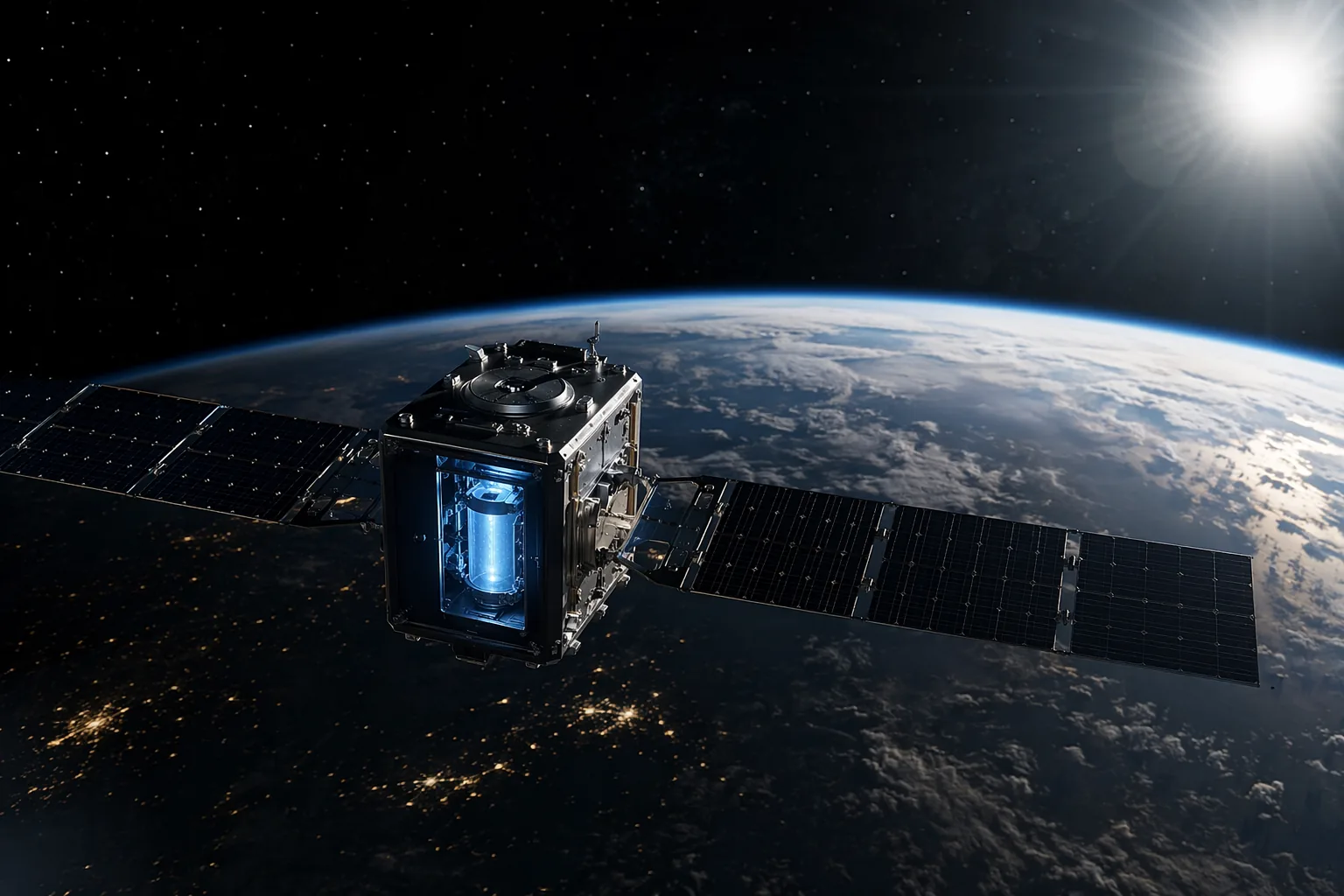
What Powers Satellites? SpaceX Launch Sparks Interest in Alternative Energy Sources
On July 7, SpaceX launched a groundbreaking satellite named BOHR aboard its Falcon 9 rocket from California’s Vandenberg Space Force Base. Developed by Florida-based City Labs, the satellite is part of a demonstration mission to test a novel power source called NanoTritium in space for the first time.
This experiment could pave the way for new energy solutions in space exploration, especially in environments where sunlight is scarce.
---
How NanoTritium Works
NanoTritium is a betavoltaic micropower source that generates electricity using the beta particles emitted during the radioactive decay of tritium, a radioactive form of hydrogen. These particles are converted directly into electrical energy through a semiconductor device.
This technology differs from the radioisotope thermoelectric generators (RTGs) used on NASA's Voyager spacecraft, which rely on the heat generated by decaying plutonium to produce power.
While BOHR primarily uses solar panels for its operations, the mission is designed to explore the potential of betavoltaic systems for powering spacecraft in low-light conditions. City Labs envisions such systems being used in permanently shadowed regions of the Moon, such as craters near the lunar south pole, where sunlight is minimal or entirely absent.
---
Why Explore Alternatives to Solar Power?
Currently, most satellites rely on solar panels paired with lithium-ion batteries for energy. Solar cells in Earth's orbit can achieve efficiencies of around 30%, thanks to the Sun’s abundant energy supply of approximately 1.4 kilowatts per square meter. However, solar power has limitations.
As spacecraft venture farther from the Sun, such as beyond Jupiter, the diminishing solar flux makes solar panels ineffective. Additionally, solar arrays degrade over time due to radiation damage and heating, requiring them to be significantly large to remain functional. These challenges drive the search for alternative power sources, like betavoltaic systems, to ensure reliable energy for long-duration missions.
---
Lessons from Voyager: The Role of Nuclear Power
NASA’s Voyager probes, launched in 1977, highlight the critical role of nuclear power in deep-space exploration. Both Voyager 1 and Voyager 2 rely on RTGs to convert heat from decaying plutonium into electricity. However, these systems lose about 4 watts of power annually, forcing NASA to shut down some instruments to conserve energy.
Voyager 1, now the most distant human-made object in space, demonstrates the longevity and reliability of nuclear power, even as its energy reserves dwindle. This underscores the importance of developing innovative power solutions like NanoTritium for future missions.
---
The Future of Spacecraft Energy
The BOHR mission marks a significant step in advancing betavoltaic technology, offering a glimpse into how spacecraft could operate in extreme environments. If successful, NanoTritium could complement or even replace traditional energy sources, enabling exploration of regions previously deemed inaccessible due to power limitations.
As space agencies and private companies push the boundaries of exploration, innovations like these will be critical to overcoming the challenges of operating in the harsh conditions of outer space.
Source: Indian Express
Frequently asked questions
What is the purpose of the BOHR satellite launched by SpaceX?
The BOHR satellite is part of a demonstration mission to test a novel power source called NanoTritium in space for the first time.
How does NanoTritium generate electricity?
NanoTritium generates electricity using beta particles emitted during the radioactive decay of tritium, which are converted directly into electrical energy through a semiconductor device.
Why are alternative power sources like NanoTritium being explored for satellites?
Alternative power sources are being explored because solar power has limitations, especially as spacecraft venture farther from the Sun where solar panels become ineffective.
What energy source do NASA's Voyager probes use?
NASA's Voyager probes use radioisotope thermoelectric generators (RTGs) that convert heat from decaying plutonium into electricity.
What environments could benefit from betavoltaic systems like NanoTritium?
Betavoltaic systems like NanoTritium could be beneficial in permanently shadowed regions of the Moon, such as craters near the lunar south pole, where sunlight is minimal or absent.
You may also like
 Business
Sino Group Supports Innovators From Ideas To Potential Market Adoption
 National
National Innovation Challenge In Shravasti Showcases 17 Student Models
 Technology
Hong Kong intensifies push to attract tech startups and create unicorns
 Technology
Tung Chee-hwa pioneered Hong Kong's tech infrastructure decades before it became crucial
Most read
- 1
Air China Adds Extra Flight for Passengers Stranded in Fuel-Starved Cuba
- 2
Western disturbance to bring rain, hail and strong winds across north India
- 3
Yogi Adityanath Directs No Occupied Houses Be Demolished for Achhalda Bridge
- 4
Gwalior Temple Truck Crash Kills 12, Injures 28-29 Devotees During Navratri
- 5
Schools Shut in Five Tamil Nadu Districts, Including Chennai, Amid Heavy Rain
Comments
No comments yet. Be the first to comment.