
RBI's Approach to Rupee's Decline Differs from 2013 Strategy
The Indian rupee has depreciated by over 2.3% since April, making it one of the worst-performing currencies this year. Unlike the 2013 crisis, the RBI appears hesitant to deploy similar measures to counter the fall.

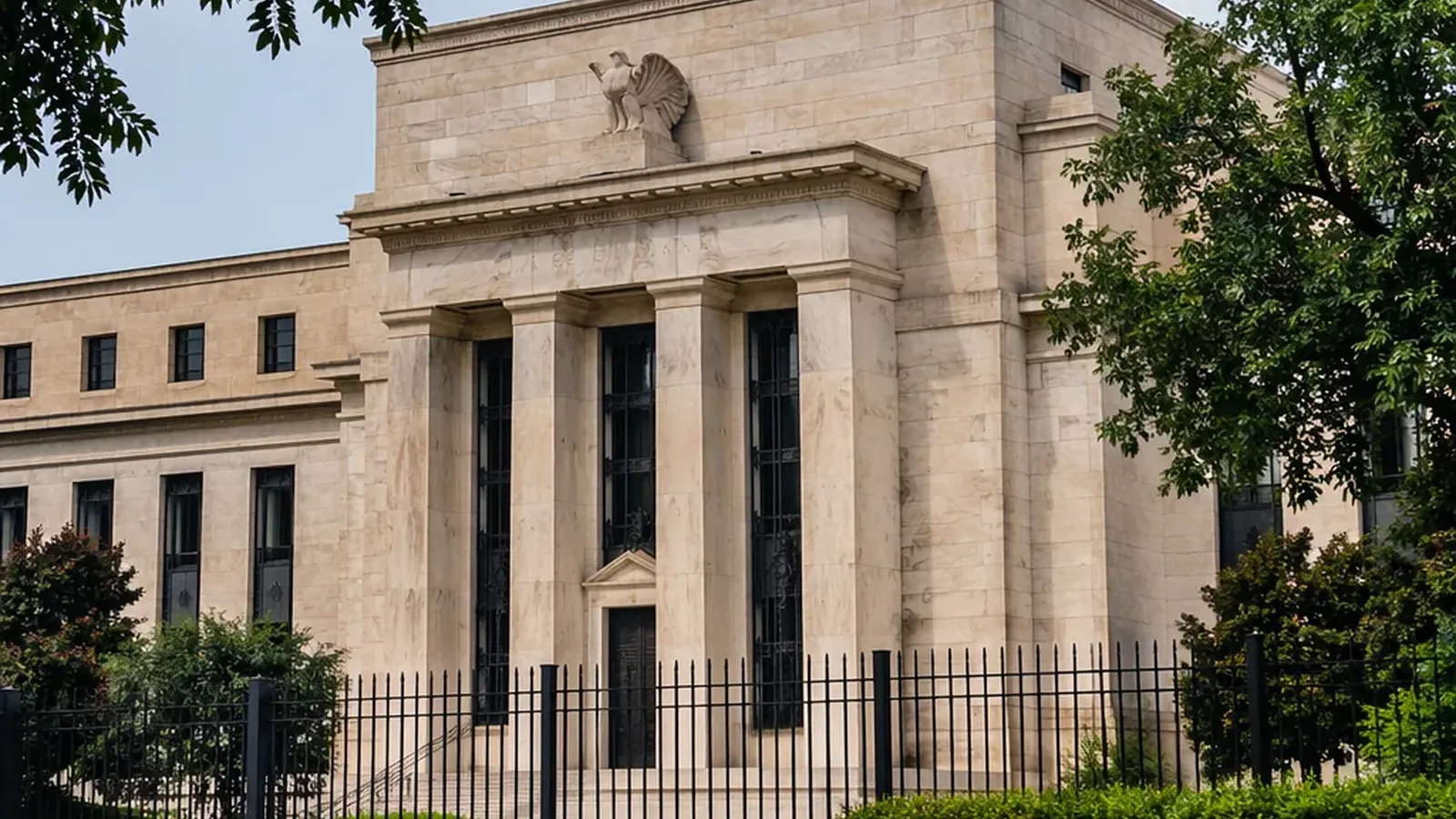
The Indian rupee has depreciated by over 2.3% since April, making it one of the worst-performing currencies globally this year. This decline has raised concerns among market watchers, with some drawing parallels to the 2013 currency crisis when the Reserve Bank of India (RBI) took aggressive steps to stabilize the rupee. However, the RBI’s current strategy appears to be markedly different.
Unlike 2013, when the central bank intervened heavily in currency markets, the RBI seems to be taking a more cautious approach this time. Analysts believe this could be an effort to conserve India’s foreign exchange reserves or to align with broader economic objectives. This measured stance comes at a time of heightened global economic uncertainty and volatile market conditions, which are contributing to the rupee’s weakness.
The rupee's slide has significant implications for India’s economy, particularly for trade and inflation. A weaker currency makes imports more expensive, which could further fuel inflation, already a concern for policymakers. At the same time, it impacts businesses reliant on foreign goods and services, adding to economic pressures.
Market participants and economists are closely watching for signals from the RBI regarding its long-term plans to address the rupee’s decline. While the central bank has not made any major public statements on its currency strategy, its actions in the coming weeks will be critical in shaping market sentiment.
The situation highlights the delicate balance the RBI must maintain between stabilizing the currency and supporting economic growth. As stakeholders await further clarity, the rupee’s performance will remain a key indicator of India’s economic resilience in the face of global challenges.
Frequently asked questions
What has caused the Indian rupee to decline recently?
The Indian rupee has depreciated by over 2.3% since April, making it one of the worst-performing currencies globally this year, amid heightened global economic uncertainty and volatile market conditions.
How does the RBI's current strategy differ from its approach in 2013?
Unlike in 2013, when the RBI intervened heavily in currency markets, the current strategy appears to be more cautious, possibly to conserve foreign exchange reserves or align with broader economic objectives.
What are the implications of a weaker rupee for India's economy?
A weaker currency makes imports more expensive, which could fuel inflation and impact businesses reliant on foreign goods and services, adding to economic pressures.
What are market participants and economists looking for from the RBI?
They are closely watching for signals regarding the RBI's long-term plans to address the rupee's decline, as its actions will be critical in shaping market sentiment.
You may also like
 Business
India's Forex Reserves Decline by $7.5 Billion, Total Now at $681.38 Billion
 Business
RBI Raises Rates 25 Basis Points, Shifts To Calibrated Tightening
 Business
RBI Raises Repo Rate By 25 Basis Points To 5.50%
 Business
SBI Bank Locker Case: Woman Finds Locker Empty After 23 Years, Jewellery Worth Rs 50 Lakh …
Most read
- 1
Air China Adds Extra Flight for Passengers Stranded in Fuel-Starved Cuba
- 2
Western disturbance to bring rain, hail and strong winds across north India
- 3
Yogi Adityanath Directs No Occupied Houses Be Demolished for Achhalda Bridge
- 4
Gwalior Temple Truck Crash Kills 12, Injures 28-29 Devotees During Navratri
- 5
Heavy Rain Waterlogs Bengaluru, Snarls Traffic; Ride-Hailing Fares Surge
Comments
No comments yet. Be the first to comment.