
Pentagon official warns US allies in Asia: higher defence spending or lose weapons access
US pressure on allies to boost defense spending and align closer with Washington complicates China's bid for influence in the Indo-Pacific region.

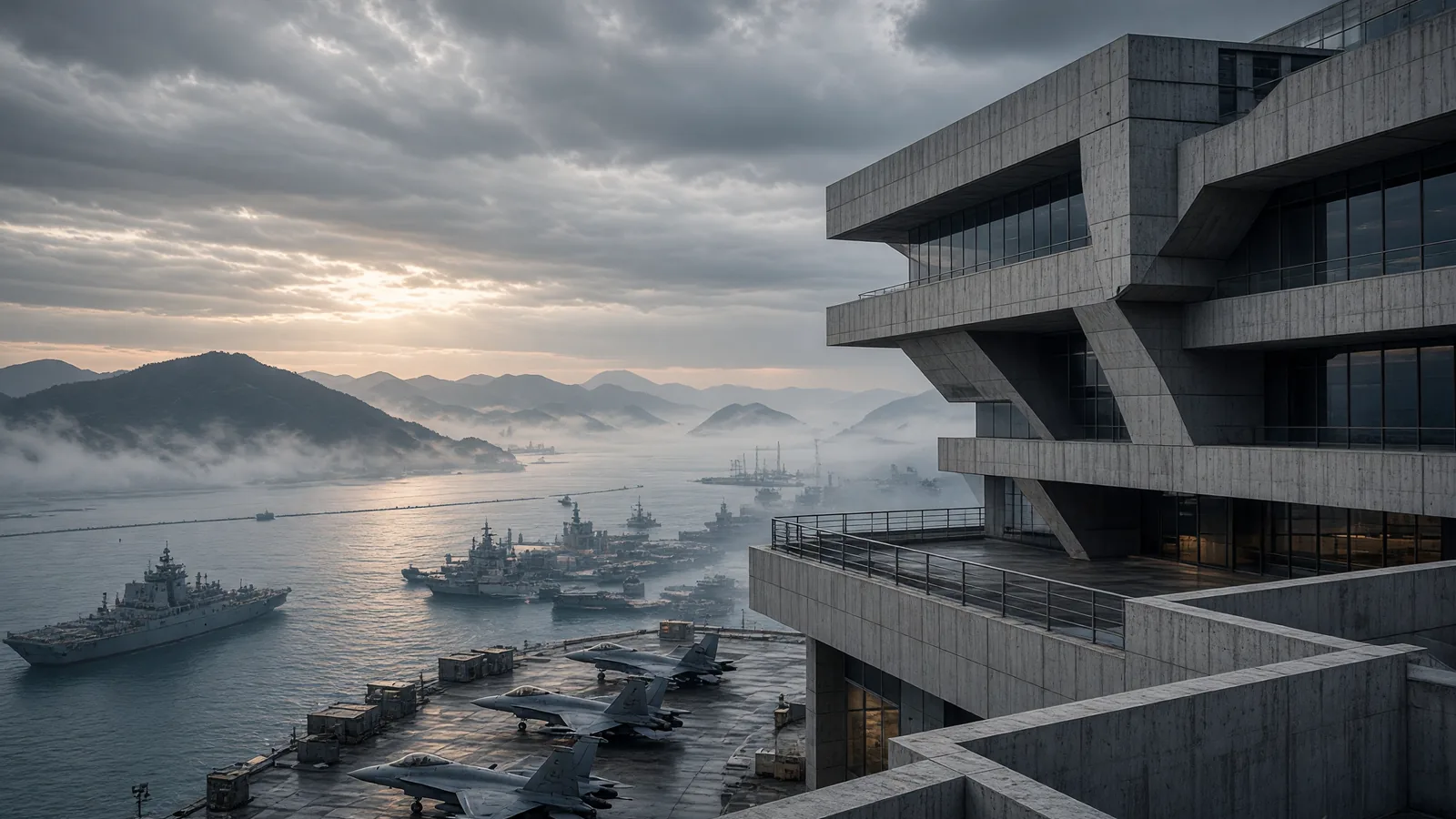
American allies in Asia are recalibrating their defence strategies after a senior Pentagon official dismissed "middle powers" diplomacy as a distraction and warned that access to US weapons systems should be treated as a privilege, not an entitlement.
Elbridge Colby, undersecretary of defence for policy, used a Manila visit on August 10 to demand that regional partners raise military budgets and fall into tighter alignment with Washington's security agenda. The public pressure followed his mid-July assertion on social media and in a New York Times interview that the recent "hubbub" around collective middle-power approaches rested on a "faulty understanding" of international relations and would burn through "valuable time, money and political capital" to no strategic effect.
Allies caught between superpowers
Colby's blunt language has sharpened an already difficult conversation among US treaty partners, who are trying to lessen their reliance on Washington during the transactional presidency of Donald Trump while avoiding any slide into Beijing's sphere of influence.
The intervention signals that the United States expects firmer commitments from countries that have explored hedging strategies or multilateral groupings outside the traditional hub-and-spoke alliance system. By framing defence-industrial cooperation as conditional, Colby effectively put allied capitals on notice that strategic autonomy carries costs if it is read in Washington as equivocation.
Implications for regional security
The exchange underscores the pressure middle powers now face to choose sides more explicitly, even as they seek room to manoeuvre between the two largest economies. For Beijing, the episode highlights the limits of its own appeal: unless China can present a more persuasive security guarantee, countries in the Indo-Pacific will remain tethered to American hardware and doctrine, however uncomfortable the terms.
Source: South China Morning Post
Frequently asked questions
What did the Pentagon official say about US weapons access for Asian allies?
Elbridge Colby, undersecretary of defence for policy, warned that access to US weapons systems should be treated as a privilege, not an entitlement. He demanded that regional partners raise military budgets and align more closely with Washington's security agenda.
Why did Colby criticize middle-power diplomacy?
Colby dismissed middle-power diplomatic approaches as a distraction based on a 'faulty understanding' of international relations. He argued such strategies would waste 'valuable time, money and political capital' with no strategic benefit.
What position are US allies in Asia facing?
Asian allies are caught between trying to reduce reliance on Washington during Trump's transactional presidency while avoiding falling under Beijing's influence. They face pressure to choose sides more explicitly and avoid hedging strategies that Washington views as equivocation.
What does this situation reveal about China's regional influence?
The episode highlights the limits of China's appeal in the Indo-Pacific. Unless China can present a more persuasive security guarantee, countries in the region will likely remain dependent on American weapons and military doctrine.
You may also like
 Education
Chinese researchers warn against US-style defence contractor influence over security policy
 International
Asia-Pacific Real Estate Still Drawing Investors As Sector Preferences Shift
 International
US pledges 150 million dollars to counter China's influence across Pacific islands
 National
Japan plans prolonged Taiwan conflict, strengthens regional alliances amid constraints
Most read
- 1
Air China Adds Extra Flight for Passengers Stranded in Fuel-Starved Cuba
- 2
Western disturbance to bring rain, hail and strong winds across north India
- 3
Yogi Adityanath Directs No Occupied Houses Be Demolished for Achhalda Bridge
- 4
Schools Shut in Five Tamil Nadu Districts, Including Chennai, Amid Heavy Rain
- 5
Gwalior Temple Truck Crash Kills 12, Injures 28-29 Devotees During Navratri
Comments
No comments yet. Be the first to comment.